

Table of Contents ▾
Internal pelvic floor physical therapy can feel intimidating at first. The idea of internal work alone is enough to make many people tense up, especially because most of us are simply not used to being touched in our genital or anal orifices outside of a sexual or medical context. There's very little cultural approval for this kind of touch, which is why it often brings up discomfort or immediate resistance.
But when you're able to set judgment aside and stay open-minded, internal pelvic floor physical therapy can become a deeply supportive practice that brings unexpected levels of relaxation and healing to the body.
What Professional Internal Pelvic Floor Physical Therapy Involves
A professional internal pelvic floor physical therapy session usually starts with a conversation. Your therapist will take a detailed medical history, including things like birth experiences, bowel and bladder habits, past injuries, sexual history, and any relevant medical or physical trauma. You'll also be assessed as a whole body, looking at posture, breathing patterns, and how you move, since the pelvic floor doesn't function in isolation.
If and when you consent, the internal exam is done gently and at your pace, using a gloved finger. The goal of this is to gather information.
During the exam, the therapist may assess trigger points, connective tissue health, pelvic floor muscle tone, and how well the muscles can contract, relax, and coordinate. Areas of tenderness or irritation are also noted. This information helps guide a treatment plan that's specific to your body.
What Treatment Looks Like
Treatment is where the real work happens, and it's often much gentler than people expect. Depending on what was found during the exam, your pelvic floor physical therapist may use a mix of internal and external techniques.
Internally, treatment might involve gentle pressure or holding certain areas to help tight pelvic floor muscles soften and calm down. Externally, the therapist may work with your hips, abdomen, or lower back, since these areas influence the pelvic floor.
You'll also learn how to use your breath and movement to support healing. For example, people dealing with urinary incontinence, fecal incontinence, or coordination issues often work on timing and learning when to engage and when to fully relax, rather than just strengthening.
Your therapist may show you simple exercises or awareness practices to do at home as part of your pelvic floor PT plan. Some clinics also use tools like electrical stimulation or pelvic ultrasound to help improve muscle awareness, but these are just options, not requirements.
Read: Pelvic Wall Therapy Explained: Techniques, Benefits, & At-Home Options
Self-Guided Internal Pelvic Floor Therapy

You may have seen claims that self-guided internal pelvic floor therapy is "dangerous." But when done gently, slowly, and with basic education, it is safe to do yourself. Much of the fear around self internal work comes from a mainstream mindset that assumes people, especially women, should not touch, explore, or learn about their own pelvic floor without professional oversight.
Internal pelvic floor therapy involves light internal touch, awareness, and responding to sensation in real time. If something feels uncomfortable, sharp, or overwhelming, you stop. That feedback loop is what makes self-guided work safe.
We are often taught that the pelvis is fragile or easy to damage, which disconnects people from their own bodily awareness. In reality, the pelvic floor is responsive and resilient. Learning to feel tension and coordination from the inside builds understanding that no external assessment can fully replace.
I've seen similar warnings in other areas of life. I was told repeatedly by hairdressers never to cut my own hair, that I would ruin it and that it was too risky. Eventually, I tried anyway, carefully and intentionally. Nothing went wrong, and I saved a lot of money. More importantly, I stopped outsourcing trust in my own judgment.
Self-guided internal pelvic floor therapy works the same way. Professional support can be valuable and, in some cases, necessary. But the idea that individuals cannot safely engage with their own pelvic floor keeps many people disconnected from the awareness that actually drives healing.
Why Self Internal Therapy Is Transformative
The pelvic floor stores emotions and lived experiences. When something feels overwhelming or too much to process in the moment, the body tightens and protects. The pelvic floor is one of the first places that response shows up, and often one of the last places to let go.
To understand why, it helps to look at how the nervous system operates.
The polyvagal theory explains how the nervous system moves between states of safety and protection. At all times, your nervous system is asking one simple question: am I safe right now?
When the nervous system feels safe, the body settles. Muscles soften, breathing slows, digestion works better, and sensation is available. When the nervous system senses danger or overwhelm, the body shifts into protection.
If the body feels it can act, it mobilizes (fight or flight). If the situation feels overwhelming or inescapable, the body freezes or shuts down.
Internal self-therapy works because it communicates safety directly to the nervous system. Gentle internal touch, combined with slow breathing and choice, shifts the nervous system out of protection and back toward regulation.
Because you control the pace, the body doesn't feel pushed or invaded. As safety returns, the pelvic floor becomes more responsive.
Using Crystal Wands for Internal Pelvic Release
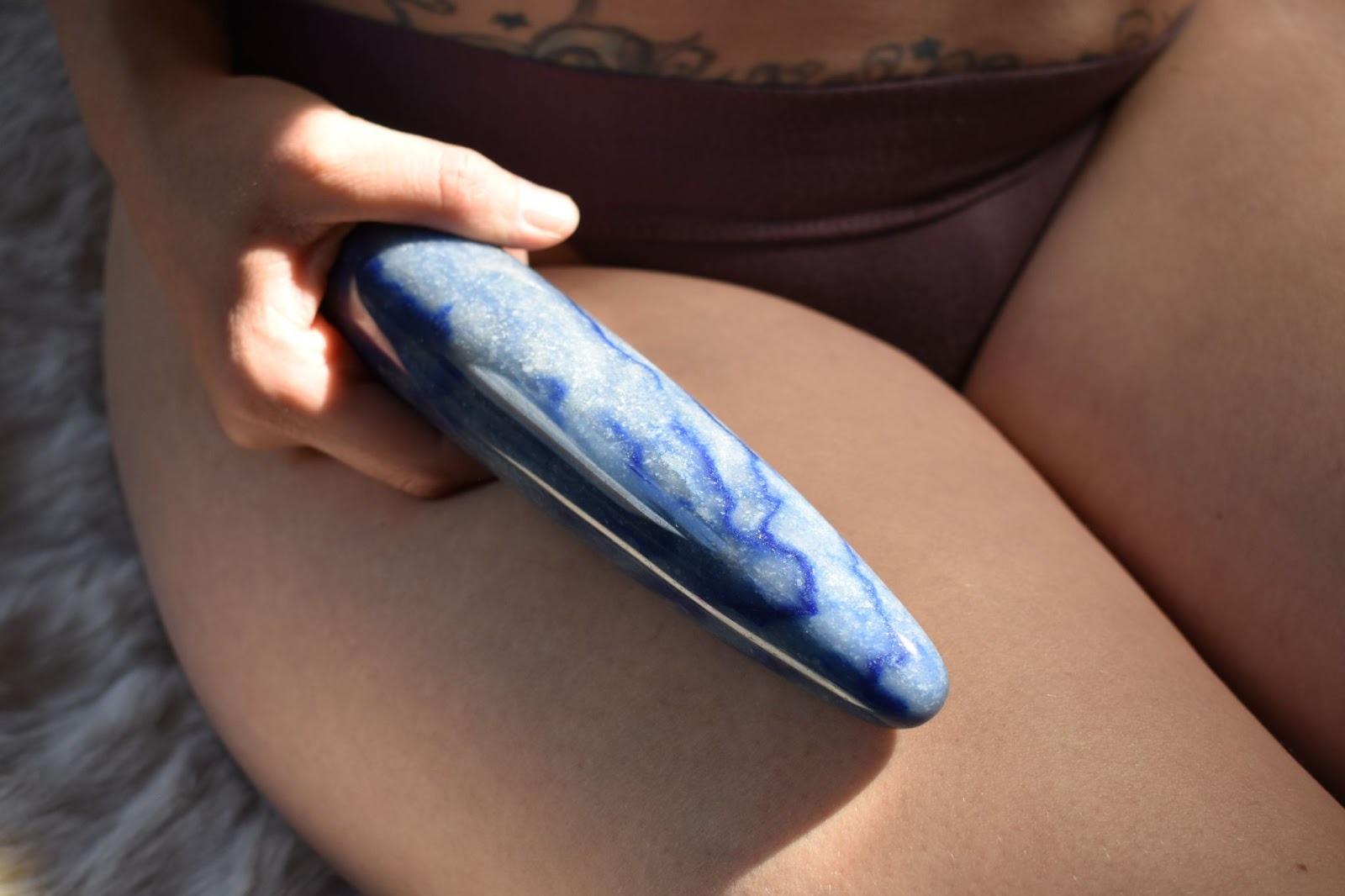
Crystal wands are one of the most effective tools for self-guided internal pelvic floor therapy. While many people first encounter them as sex toys, they can also serve a powerful and practical purpose for physical therapy–style pelvic work.
A crystal wand offers steadiness, reach, and precision that hands alone often can't provide. Instead of moving constantly, a wand allows you to stay with one specific place long enough for the tissue to respond. This makes them especially useful for internal physical therapy work focused on release.
When used slowly and intentionally, crystal wands can mimic key elements of manual internal therapy. They allow you to apply gentle, sustained pressure to trigger points, myofascial tension, muscle tightness, and internal connective tissue restrictions.
Read: How to Use a Crystal Wand for Pelvic Floor Health & Relaxation
Using Yoni Eggs for Strengthening
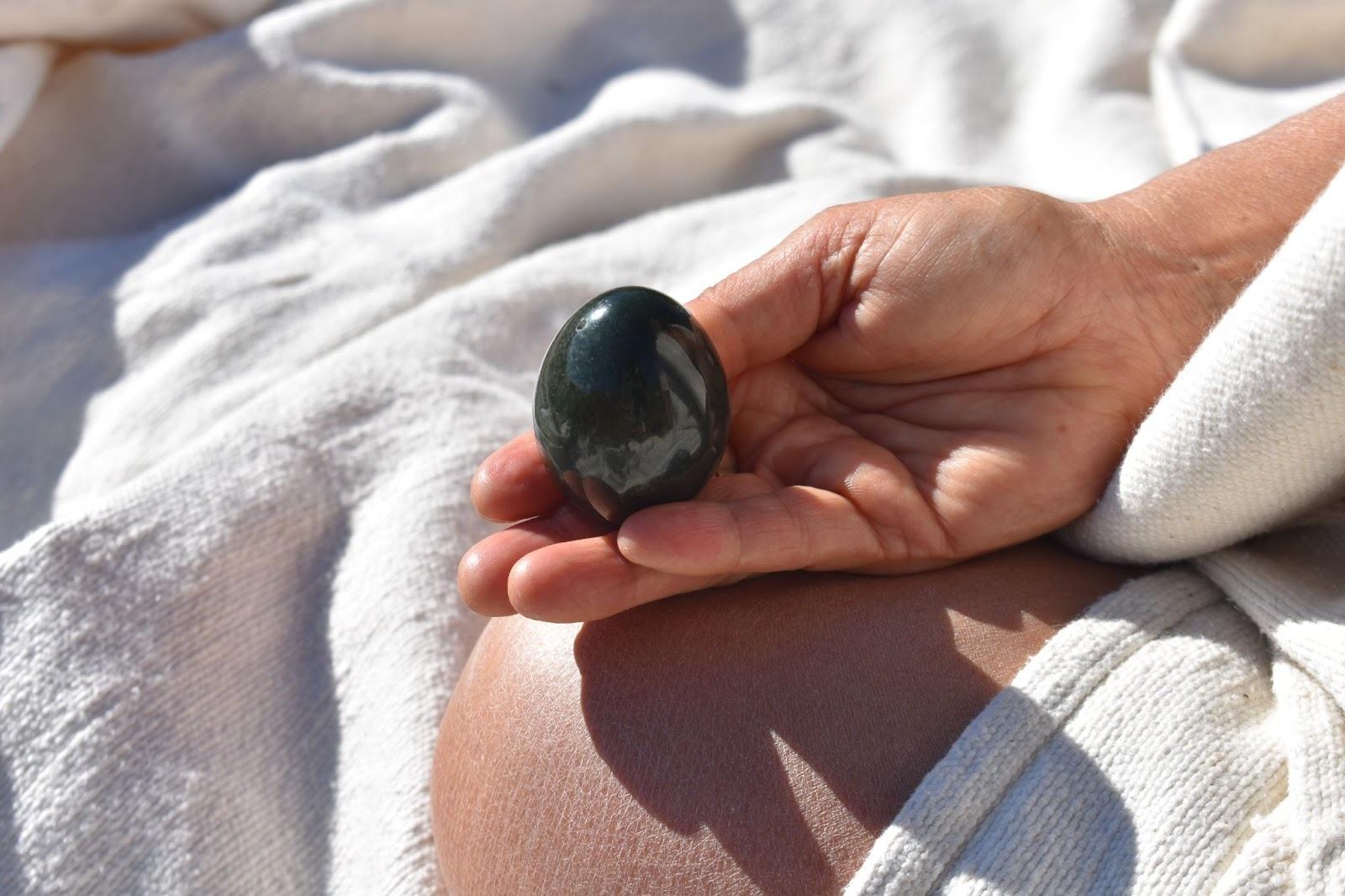
Yoni eggs, yoni weights, and kegel weights can be used as pelvic therapy tools when the pelvic floor needs strengthening or sensory re-education. In this context, they function similarly to internal resistance tools used in clinical pelvic floor rehabilitation.
These tools work because they introduce gentle internal load. The pelvic floor must respond to that load by engaging, adjusting, and releasing. This makes them especially useful when the pelvic floor is underactive or difficult to feel.
Yoni eggs are appropriate when pelvic floor muscles lack strength. The egg provides a clear signal for the muscles to respond, allowing strengthening to happen gradually without overexertion. They are also effective for sensory retraining. After childbirth, surgery, hormonal changes, or long periods of disconnection, sensation in the pelvic floor can feel inconsistent. The weight and presence of an egg inside the vaginal canal stimulate sensory receptors, helping restore awareness of internal movement.
They are used for low-intensity, short-duration engagement followed by complete relaxation. This mirrors how pelvic floor muscles are meant to function in daily life.
When Yoni Eggs Are Not Recommended
Yoni eggs are not appropriate when the pelvic floor is already tight, overactive, or guarded. In these cases, adding weight increases compression and reinforces clenching patterns.
They are also not recommended during active pelvic pain, unresolved tailbone pain, or tension-based pelvic floor dysfunction. Strengthening in the presence of tension tends to amplify symptoms.
Internal Physical Therapy Techniques for the Pelvic Floor Muscles
1. Internal Stillness Practice
This practice involves gentle internal contact with no movement. The goal is not to work the muscles, but to allow the nervous system to settle.
You place light internal contact and remain still while breathing slowly. Over time, the pelvic floor often softens on its own. This practice is especially useful for pelvic floor issues rooted in tension, guarding, or an overactive bladder, where the body stays on high alert.
It is commonly used in pelvic floor health treatment to reduce pain and protective holding patterns.
2. Internal Mapping Practice
Mapping focuses on learning the internal landscape of the pelvic floor. You move slowly and intentionally, noticing differences in tone, temperature, sensitivity, and responsiveness.
This practice builds a clear understanding of pelvic floor anatomy as it's felt. It helps identify areas related to pelvic floor muscle dysfunctions or disconnection from the pelvic organs.
Mapping is foundational in many Pelvic Floor Programs because awareness must come before change.
3. Sustained Pressure Practice
This practice uses gentle, steady pressure on areas that feel dense or tender. The pressure is held and not moved.
Sustained pressure helps calm irritated tissue and is often used when pelvic floor issues involve pain or guarding. It can support people dealing with tailbone pain, pelvic discomfort, or symptoms linked to early pelvic organ prolapse by improving tissue adaptability rather than forcing strength.
4. Fascial Lengthening Practice
Fascial lengthening focuses on the connective tissue that supports the pelvic organs. Instead of pressing, you allow the tissue to soften over time through gentle sinking and waiting.
This practice is useful for internal restriction or compromised support related to pelvic floor muscle dysfunctions.
FAQ
An internal pelvic floor exam is part of how pelvic floor physical therapists assess how your pelvic floor muscles are actually functioning. It usually begins with a conversation about your symptoms, medical history, and goals, including things like urinary incontinence, fecal incontinence, pelvic pain, or other pelvic floor disorders.
The therapist will often do a whole-body assessment first, looking at posture, breathing, and movement patterns that affect the pelvic muscles. If you consent, they may then perform an internal pelvic floor exam using a single, gloved finger. This is not the same as a routine gynecological pelvic exam.
This is a common question, and the honest answer is: sometimes, with consent. During pelvic floor therapy, an internal exam or treatment may involve a therapist placing one gloved finger vaginally or rectally. This is done strictly for assessment or therapeutic purposes, never for sexual stimulation.
The finger is used to assess and treat the pelvic floor muscles, much like a physical therapist uses their hands to work on a shoulder or hip. You are always in control. A pelvic floor therapist should explain every step, ask for permission, and stop immediately if you feel uncomfortable.
Internal pelvic floor therapy should not be painful, but it can feel uncomfortable if the pelvic floor muscles are tight, sensitive, or irritated. People with pelvic floor disorders, chronic pelvic pain, urinary leakage, or diastasis recti may feel tenderness during an exam, especially at first.
A skilled pelvic floor therapist works slowly and within your comfort level. Over time, many people find that internal work actually reduces pain, improves bladder and bowel control, and helps resolve symptoms like urinary incontinence, fecal incontinence, and pelvic pressure.
