
Table of Contents ▾
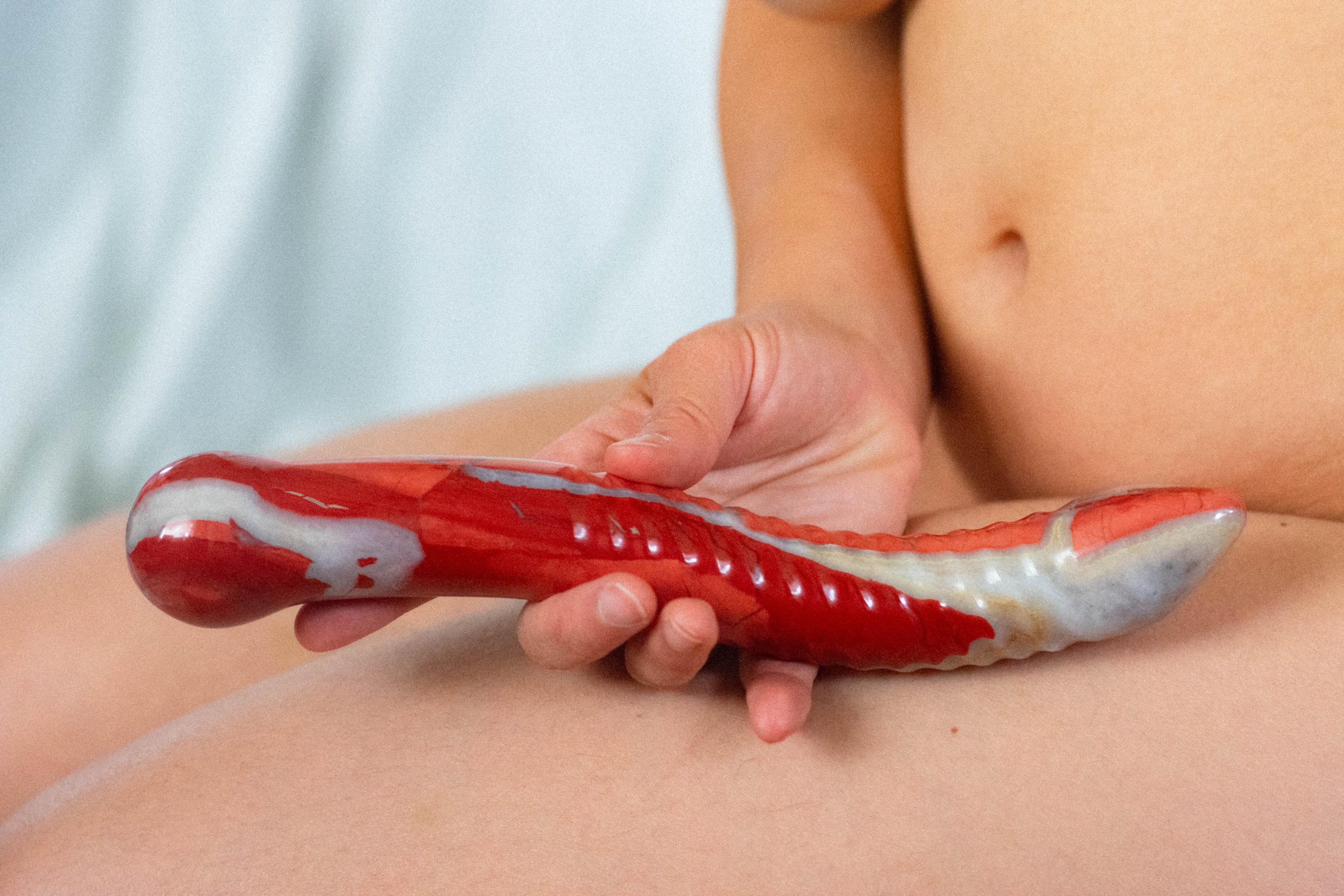
Crystal wand use for pelvic health is gaining popularity as more people seek ways to care for their pelvic floor in their self care practice. These tools are effective for releasing tight pelvic muscles and working directly with trigger points that often go untouched.
Crystal wand pelvic floor tools can be used internally and externally to massage the pelvic floor and surrounding tissues. With a wide range of shapes, sizes, and stone types available, each wand creates a slightly different experience, allowing you to choose what best supports your body and comfort level. These pelvic floor therapy tools can be used alone or with a partner, or even by a pelvic floor physical therapist.
In this article, we dive into how to use a crystal wand for pelvic floor health and relaxation, covering safe techniques and how to select the right wand for your needs.
Understanding the Pelvic Floor
The pelvic floor is a layered group of muscles that sits at the base of the pelvis, stretching between the sit bones, tailbone, and pubic bone. These muscles form a supportive bowl that responds constantly to movement, breath, and pressure.
They support the bladder, uterus (or prostate), and bowel, help stabilize posture, and coordinate with the breath and core. When the pelvic floor is working well, it naturally tightens when support is needed and softens when it's time to rest or release. Learn more about how to tell if your pelvic floor is tight or weak.
Many pelvic floor issues don't come from weakness alone, they come from holding. Childbirth, chronic stress, trauma, and long hours of sitting can cause these muscles to stay subtly clenched.
Emotional stress also plays a direct role. When the nervous system is stuck in a fight-or-flight state, the body instinctively tightens the lower belly pelvic floor. This protective gripping often happens without awareness and can persist long after the stressor has passed.
Read: How to Tell If Your Pelvic Floor Is Tight or Weak
Energy and Symbolism of the Pelvic Bowl
Across many energetic traditions, the pelvis is recognized as the primary reservoir of life force in the body. This is why the Root and Sacral chakras are located here. These centers are associated with safety, stability, creativity, and pleasure because they correspond to the most fundamental biological functions of survival, reproduction, elimination, and the capacity to receive sensation.
From a physical perspective, these functions are regulated through the pelvic floor, hips, lower abdomen, and the autonomic nervous system. From an energetic perspective, they are described as the foundation through which energy enters, gathers, and rises through the body. The symbolism of the pelvic bowl reflects this dual role where it is both a container and a conduit.
When the pelvic floor is able to relax and respond naturally with the breath, pressure and circulation move efficiently through the pelvis and into the spine. In energetic language, this is described as prana or chi flowing upward.
When stress, trauma, or habitual tension causes the pelvic floor to remain contracted, energy becomes contained in the pelvic space. Energetic systems describe this as blocked Root or Sacral energy. According to many energy practices, energy that becomes stuck in the pelvic bowl does not resolve through thought or visualization alone. It moves through sensation, breath, and directed contact with the tissues and muscles in the area. This is where crystal wands have traditionally been used as conduits that help guide energy through the body.
What Is a Crystal Wand?
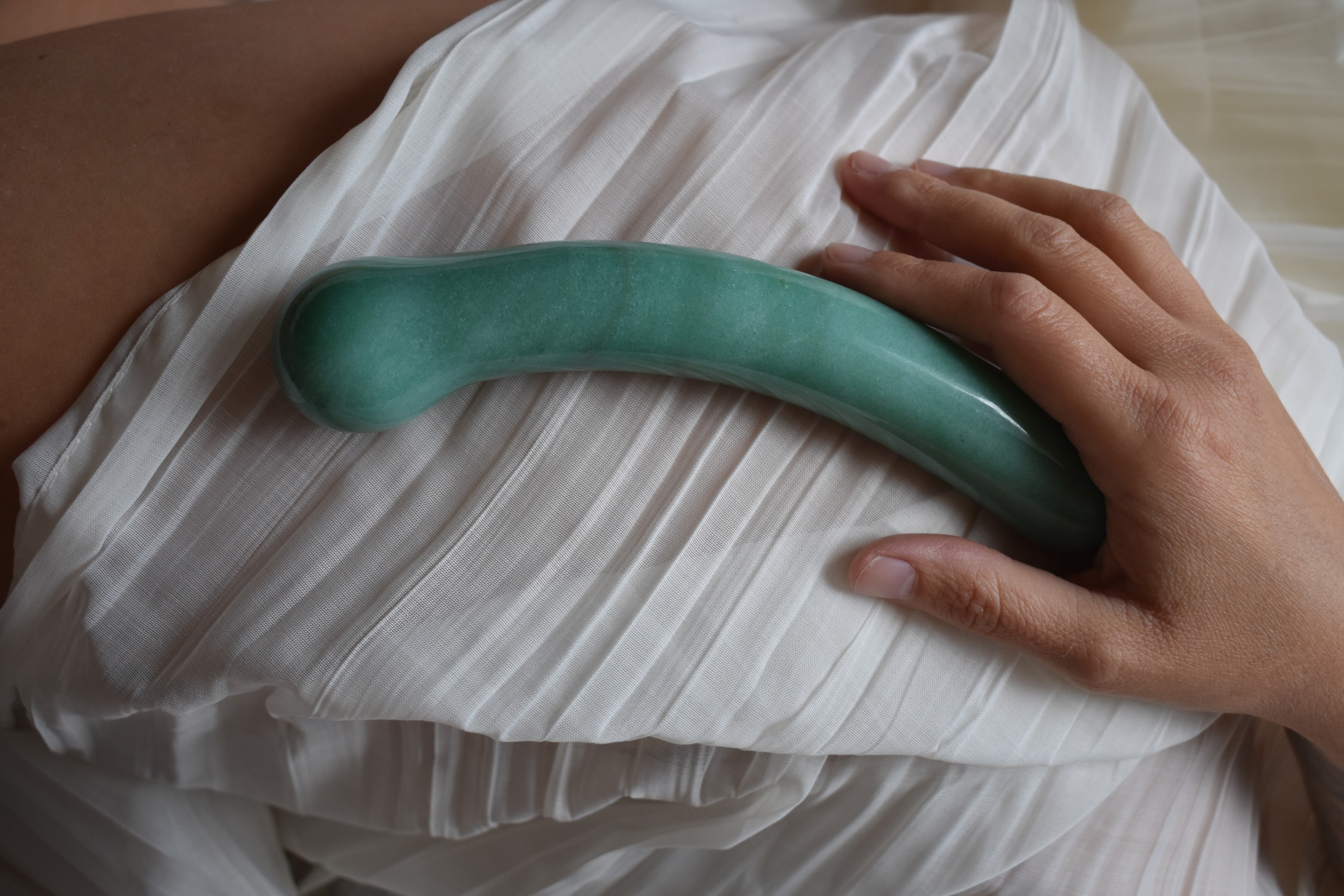
A crystal wand is a solid piece of natural stone that has been shaped, smoothed, and polished to be used for direct contact with the body and the inner pelvic floor structures. A wand is intentionally formed so it can be held comfortably in the hand and applied with controlled pressure to specific areas of the body.
Historically, wand-shaped tools made from stone, bone, wood, and metal appear across both Eastern and Western healing traditions as instruments. In Traditional Chinese Medicine, smooth stone tools were used to trace meridians and apply steady pressure along areas of tension or stagnation. In Ayurvedic and yogic traditions, polished objects and stones were used during massage and ritual bodywork to stimulate marma points, which are specific sites where muscles, nerves, and energy pathways intersect. Work around the lower abdomen, hips, and pelvis was understood to influence reproductive health and creative energy.
Each crystal is defined by its mineral structure, density, and thermal properties. These characteristics affect how the wand feels in the body — how quickly it warms, how much weight it carries, and how it distributes pressure. Many people also work with the symbolic or energetic associations of different stones, using them as an added layer of intention during practice.
A high-quality crystal wand should have a uniformly smooth, non-porous surface that can be cleaned thoroughly. It should be carved from a single piece of stone, free from cracks, coatings, dyes, or resins that could compromise safety.
External Techniques for Pelvic-Floor Tension and Awareness
1. Lower Abdominal Myofascial Release
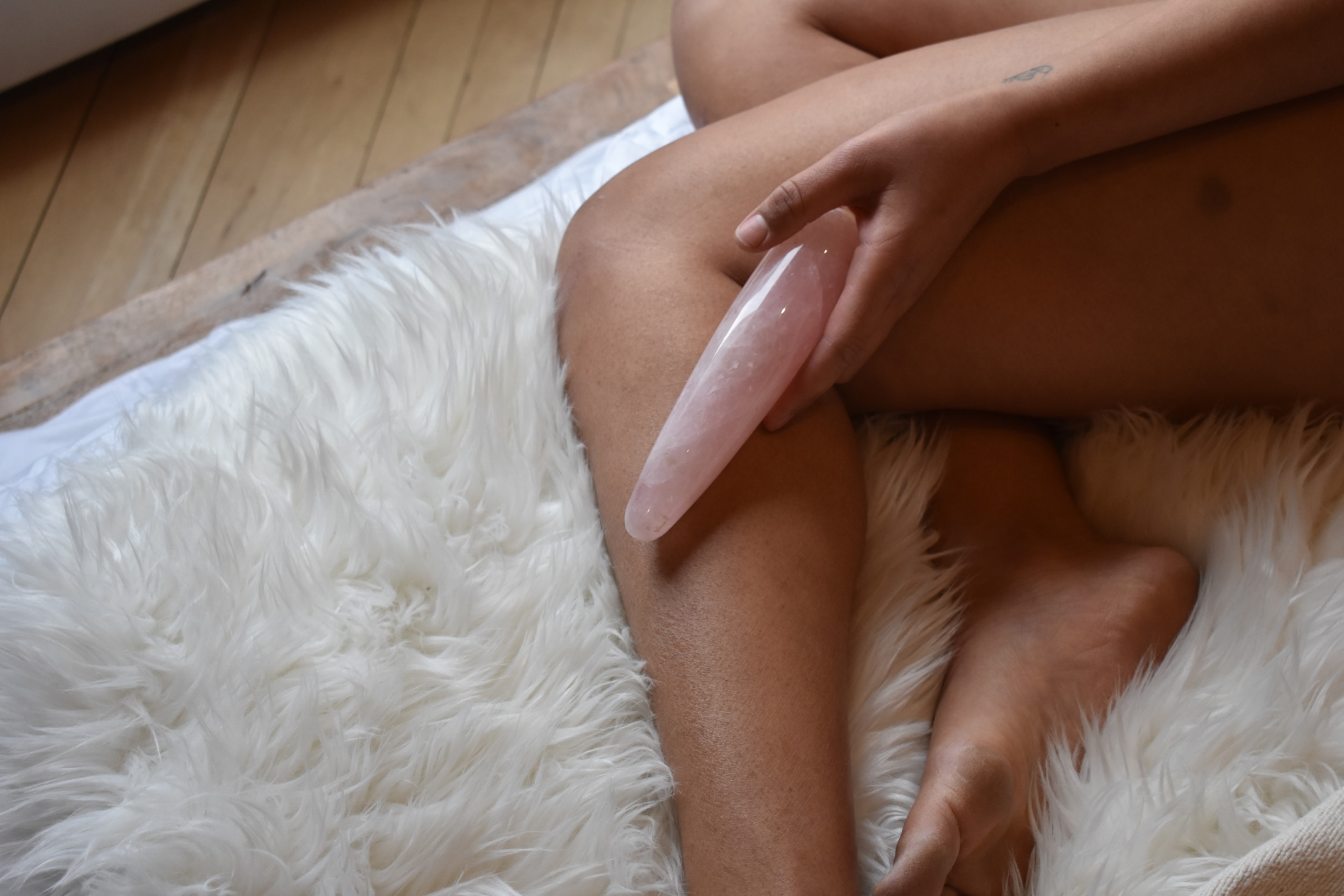
The fascia of the lower abdomen is continuous with the fascia of the pelvic floor. When the abdominal wall is chronically tight it creates constant upward tension on the pelvic floor. Myofascial release in this area works by slowly engaging the connective tissue layers rather than the muscles alone. This sustained pressure allows restricted fascia to hydrate and lengthen, which reduces the baseline tone of the pelvic floor.
2. Sacral Compression and Nervous-System Settling
The sacrum serves as a key junction between the spine and pelvis and contains nerve pathways that influence bladder, bowel, and pelvic-floor function. External sacral work applies steady pressure over the sacrum, which stimulates the parasympathetic nervous system. This type of contact is widely used in craniosacral and somatic therapies because it reduces protective muscle guarding. When the nervous system receives consistent, non-threatening input here, pelvic-floor muscles often release reflexively, especially in people who hold tension through the lower back and tailbone.
3. Adductor Trigger Point Therapy
The inner thigh muscles share both fascial and neurological connections with the pelvic floor. Trigger points in the adductors commonly develop from sitting, athletic overuse, or unconscious gripping patterns. These trigger points can refer tension directly into the pelvic floor trigger points, contributing to pain or tightness without obvious cause. External trigger point work in the upper inner thighs helps interrupt these referral patterns, reducing the load placed on the pelvic floor and improving coordination between the legs and pelvis.
4. External Perineal Fascial Stimulation
The perineum contains superficial pelvic-floor muscles and dense nerve endings involved in sensation and reflexive contraction. External fascial contact in this area, performed over clothing, increases circulation and sensory awareness without internal work. This technique is often used when the pelvic floor is either overactive or under-felt. By improving sensory input, the brain gains clearer information about this region, which supports voluntary relaxation and reduces unconscious clenching.
5. Pelvic Rim and Iliopsoas Fascial Release
The muscles attaching along the pelvic rim, including the iliopsoas, play a major role in pelvic alignment. Chronic tension here can tilt the pelvis forward or backward, altering how the pelvic floor bears load. External release along the pelvic rim addresses deep fascial restrictions that affect posture and movement patterns. As pelvic alignment improves, the pelvic floor no longer needs to compensate for imbalance, allowing it to function with less effort and strain.
6. Temperature Therapy
Temperature directly affects muscle tone, blood flow, and nerve signaling in the pelvic region. Subtle changes in warmth or coolness can shift how tissues respond without requiring pressure or movement, which makes temperature therapy particularly useful when the pelvic floor is highly sensitive or guarded.
Crystal wands are particularly effective for temperature therapy because stone holds and releases temperature gradually. Unlike metal, which can shock the tissue, or silicone, which quickly equalizes to body temperature, crystal provides steady, predictable thermal input.
Read: Dare to Feel It All: The Seductive Power of Temperature Play
Our Crystal Wand Collection
At WAANDS™, we offer a carefully curated variety of crystal wands designed to support intentional work with the pelvic floor. Each wand differs in shape, size, curvature, and stone type, allowing you to choose a tool that matches your body and the kind of pelvic support or exploration you're seeking.
Slim Style Pleasure Wand
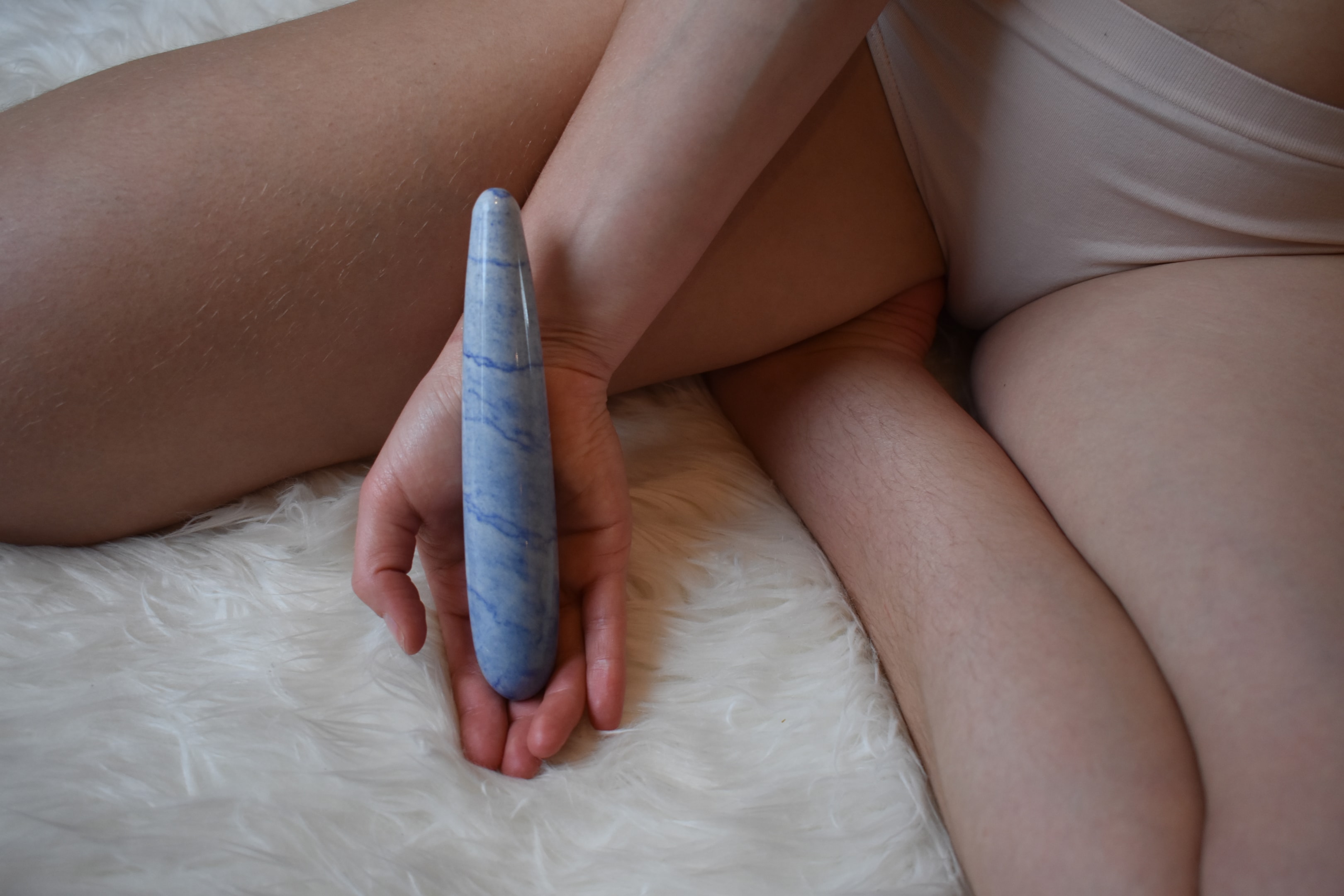
Available in: Amethyst, Black Obsidian, Blue Quartz, Clear Quartz, Indian Jade, Pink Aventurine, Red Jasper, Rose Quartz
The Slim Style Pleasure Wand is intentionally designed for gradual pelvic-floor release. Its slender diameter minimizes stretch at the vaginal opening and along the vaginal walls, which is critical for bodies experiencing pain with penetration or involuntary muscle guarding. By reducing mechanical load, this wand allows pelvic muscles to soften progressively instead of triggering a reflexive tightening response.
Its smaller size also provides a controlled, approachable option for those new to internal pelvic work or anal exploration, where precision and the ability to move slowly are essential. For anyone who prefers a subtle internal presence over a sensation of fullness, the Slim Style Wand offers a supportive, non-overwhelming experience.
Read: How do I know if a SLIM Wand is best for me?
Traditional Style Pleasure Wand
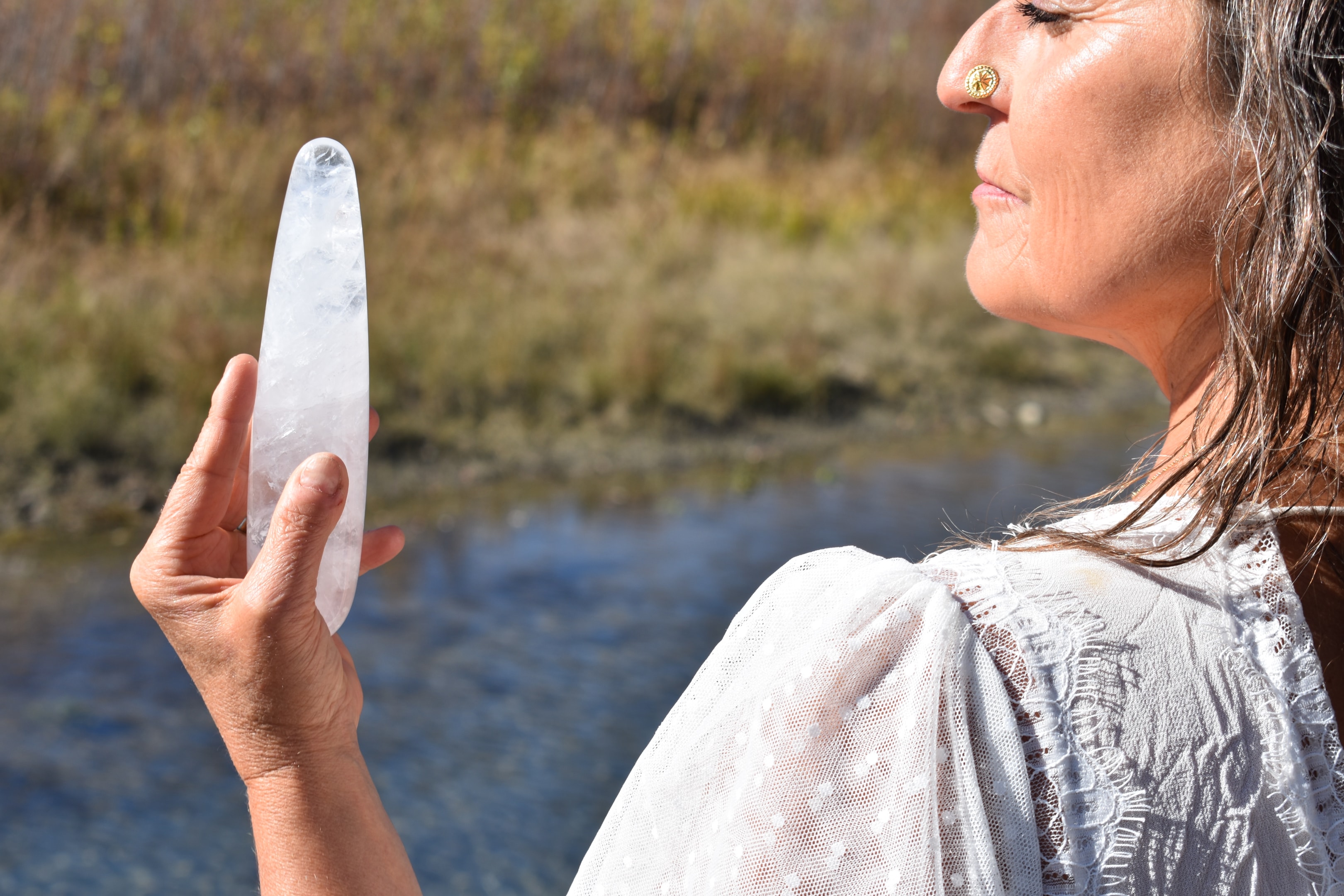
Available in: Amethyst, Black Obsidian, Blue Quartz, Clear Quartz, Indian Jade, Pink Aventurine, Red Jasper, Rose Quartz
The Traditional Style Pleasure Wand is designed for those who want a deeper sense of internal presence and contact. Its fuller diameter creates broad, even pressure along the vaginal walls, which can increase body awareness and enhance sensation through consistent, sustained contact rather than pinpoint stimulation.
Because the pressure is distributed evenly, this wand supports slower, more deliberate internal work. It is well suited for people who enjoy a sensation of fullness and who find that broader contact helps them relax and connect more fully with internal sensation. Many people choose the Traditional Style Wand when they are no longer working with sensitivity or pain and instead want a more immersive experience.
Amrita Wand®
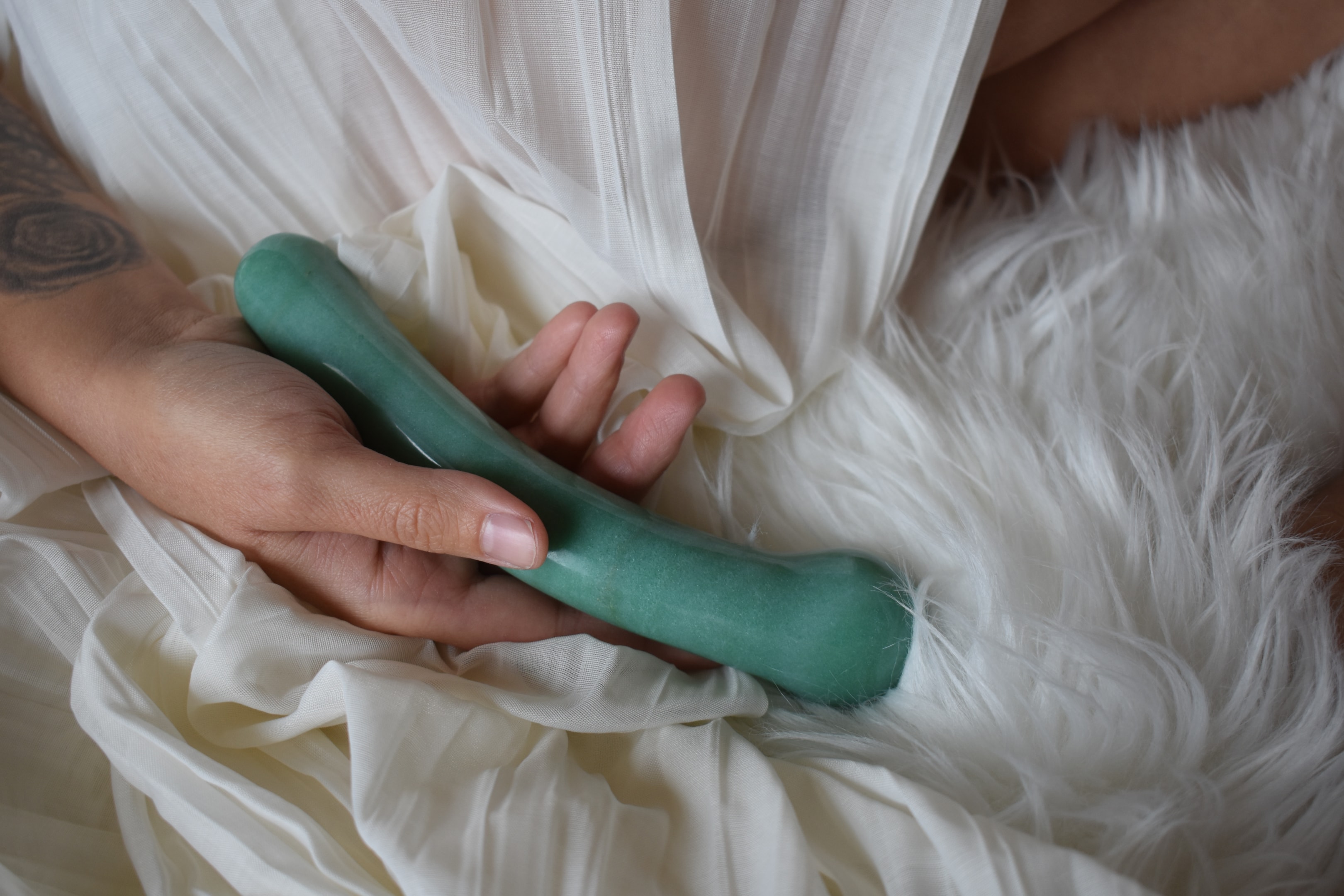
Available in: Amethyst, Black Obsidian, Blue Quartz, Clear Quartz, Indian Jade, Nephrite Jade, Pink Aventurine, Red Jasper, Rose Quartz, Smoky Quartz
The Amrita Wand® is intentionally designed for focused engagement of the G-spot along the front vaginal wall. Its pronounced curve and rounded, bulb-shaped tip mirror the natural anatomy of this area, allowing for sustained contact without the need for excessive pressure or force.
The shape of the Amrita Wand® makes it especially effective for deeper internal exploration, including heightened G-spot responsiveness, exploration of squirting potential, and cervical stimulation. The broad, smooth tip distributes pressure evenly across sensitive tissue, reducing sharp or overstimulating sensations while allowing for depth and intensity to build gradually.
Curve Pleasure Wand
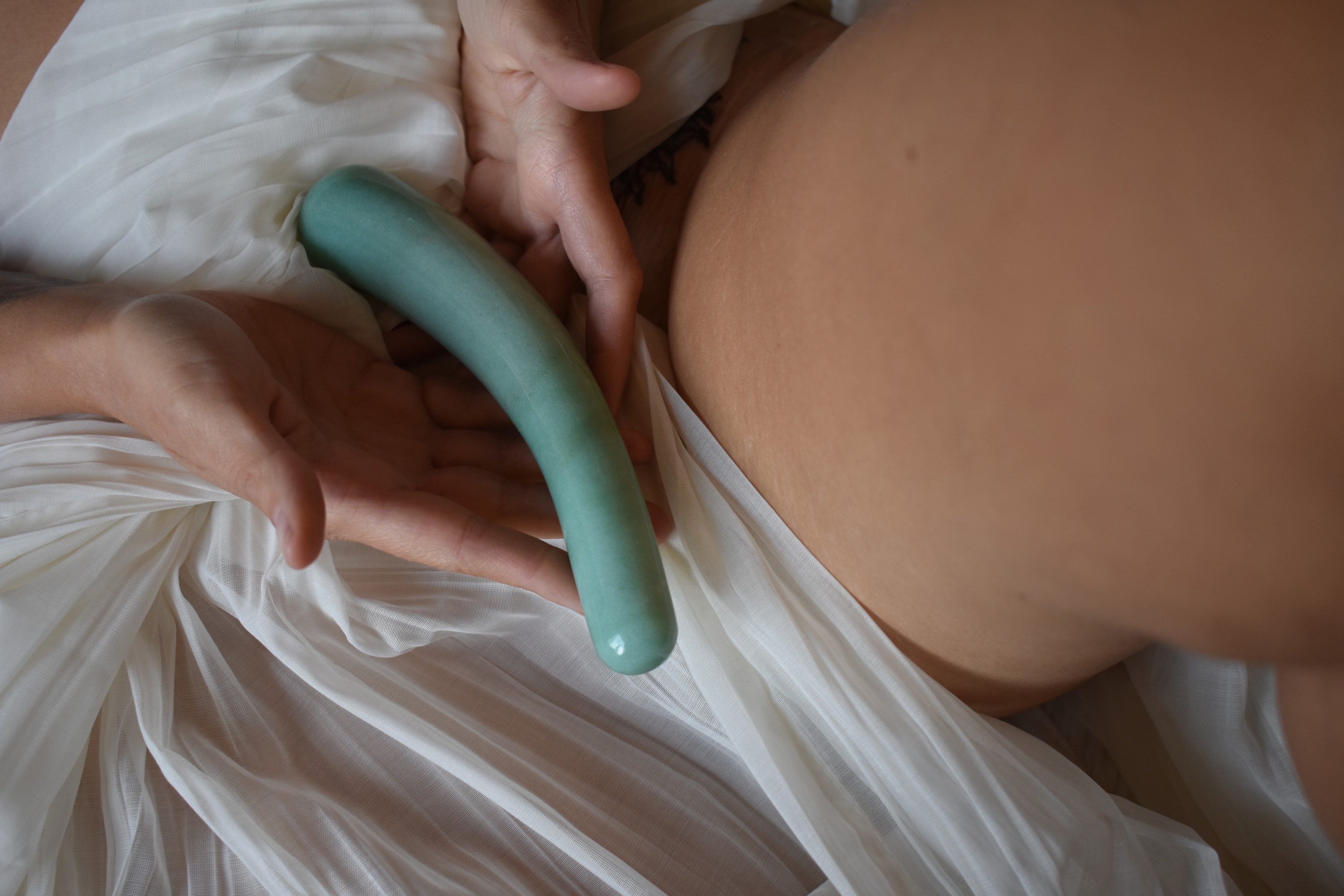
Available in: Amethyst, Black Obsidian, Blue Quartz, Clear Quartz, Indian Jade, Nephrite Jade, Pink Aventurine, Red Jasper, Rose Quartz
The Curve Pleasure Wand has a curved shape that allows the wand to follow the natural contours of the pelvis, making it easier to engage specific internal and external areas with intention and control. This directional design is especially useful when working with tension patterns that require targeted pressure rather than generalized contact.
Because of its shape, the Curve Wand is commonly chosen for pressure-point massage, yoni and anal de-armouring, prostate exploration, G-spot engagement, and cervical stimulation. The curve allows the user to approach tissue from an angle, which can be more effective for areas that are difficult to reach or respond less to straight tools.
Cervix Wand
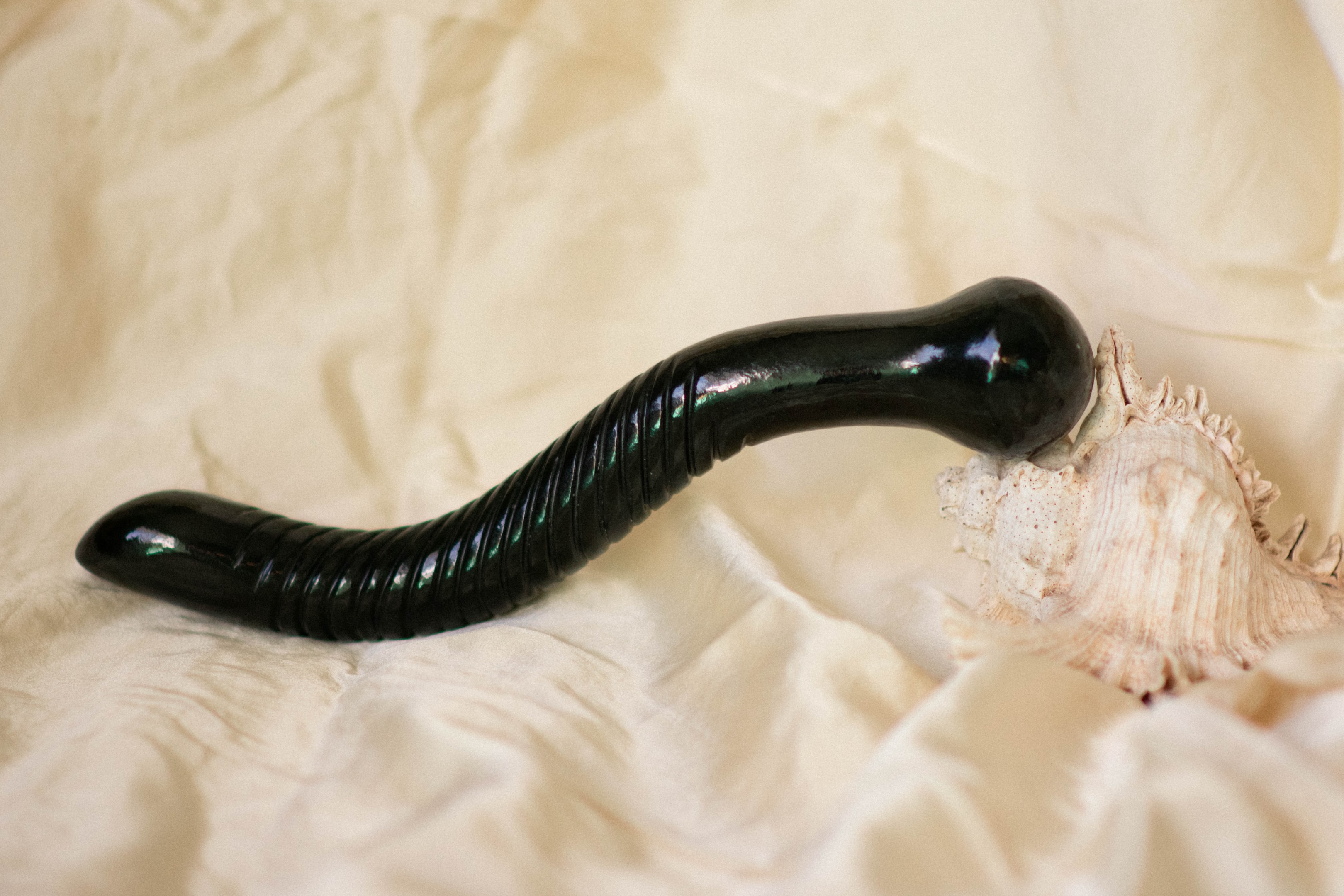
Available in: Black Obsidian, Red Jasper, Blue Quartz, Nephrite Jade, Rose Quartz, Indian Jade
The Cervix Wand™ is intentionally designed for focused cervical awareness. Its length, contour, and tip shape support controlled depth and steady contact, allowing engagement with the cervix in a way that is deliberate and measured. This design acknowledges that the cervix responds best to consistent, intentional contact rather than broad pressure.
Because cervical tissue is highly responsive and deeply connected to the nervous system, this wand is often chosen by individuals seeking to deepen internal awareness or work with areas that are rarely accessed through standard internal tools.
FAQ
A crystal wand for pelvic floor work is designed to help reduce pelvic floor tension and support relaxation through gentle, targeted pressure. When used mindfully, a crystal wand can help bring attention to specific areas of holding and provide gentle relief from chronic tightness or discomfort.
Many pelvic physical therapists use similar tools in clinical settings to help patients reconnect with pelvic muscles and decrease guarding. A crystal wand offers a trusted, at-home product option for continuing that kind of awareness-based work in a familiar, comfortable environment. It is not a medical device and does not replace a doctor, but it can complement professional pelvic floor care when used appropriately.
Different crystals offer different physical and symbolic qualities, which can influence the experience of pelvic floor work. Stones commonly recommended for crystal wand pelvic floor use include rose quartz for comfort and softness, amethyst for calming tension, obsidian for grounding, and jade for balance and steady pressure.
Beyond energetic associations, what matters most is the quality of the stone itself. A good crystal wand should be non-porous, smooth, untreated, and easy to clean. Choosing a stone that feels supportive in your hand often matters more than the symbolism alone, especially when working with sensitive pelvic areas.
For individuals specifically working with deep pelvic awareness, cervical sensitivity, or long-held tension at the base of the pelvic bowl, we recommend the Cervix Wand™. Its shape supports controlled depth and steady contact rather than broad stimulation, making it particularly suited for experienced users who want to explore the deeper layers of the pelvic floor with intention and precision.
The pelvic floor is closely connected to the nervous system and often reflects how the body responds to stress. Emotions related to safety, control, fear, pleasure, and vulnerability commonly show up as physical holding in the pelvis. This can affect both women and men.
When stress is ongoing, the body may unconsciously tighten pelvic muscles as a protective response. Over time, this can reduce sensation and make relaxation feel difficult. Gentle pelvic floor work with a crystal wand can help bring awareness back to these areas, allowing the body to release tension at its own pace.
