

Table of Contents ▾
Dyspareunia, which is painful intercourse, is a pain felt at the vaginal entrance, inside the vagina, or deep in the pelvis during or after sex. It affects up to 75% of women at some point in their lives, yet most never receive an adequate explanation for why it's happening, let alone a treatment plan that actually addresses it.
The cause is almost never just one thing. Sexual pain can have physical, neurological, and emotional causes.
The good news is that dyspareunia is highly treatable, and you have more agency in that healing than you may have been told. Pelvic floor physical therapy is one of the most effective and underutilised tools in women's health, and a skilled pelvic floor PT can assess exactly where the restriction is and give you a precise, structured path through the pain.
But many women also move through and fully resolve painful intercourse through self-applied practices alone.
This guide covers what pelvic floor therapy involves, and also dives into the self-directed and somatic approaches that put the work of healing directly in your hands.
Why Painful Intercourse Happens: The Body's Protective Response
The Physical Layer
The pelvic floor is a group of muscles forming the entire base of your core, running from your pubic bone at the front to your tailbone at the back. These muscles support your organs, control bladder and bowel function, and are responsible for allowing penetration to feel comfortable. When they are too tight or locked in spasm, penetration feels like pushing against something that won't give and causes a sharp, burning pain at the entrance, or a deep aching pressure further inside, depending on where the restriction is.
Scar tissue from birth, episiotomy, or pelvic surgery is one of the most underrecognised contributors to ongoing vaginal pain. Unlike healthy muscle, scar tissue has no elasticity. It adheres to surrounding structures and creates a pulling sensation that can generate pain at a completely different location to where the scar actually is.
The same chronic holding pattern develops in women who have spent years unconsciously bracing their core, as the pelvic floor simply never learned to fully release, and over time that constant low-grade tension becomes the new normal. Hormones can also contribute to pain. For example, when oestrogen drops, the tissue thins and loses moisture rapidly.
The Nervous System Layer
Your nervous system is constantly scanning for danger. The polyvagal theory, developed by neuroscientist Stephen Porges, describes how the autonomic nervous system operates in distinct states. There is the ventral vagal state where you feel safe, connected, and open; a sympathetic state of fight-or-flight activation; and a dorsal vagal state of shutdown and freeze. Your pelvic floor responds directly to which state you are in. In safety, it softens. In threat, it contracts. It is an automatic, subcortical response that happens faster than conscious thought.
Painful intercourse can be self-perpetuating. Once penetration has been painful, your nervous system catalogues it as a threat. The next time intimacy begins, your body moves into sympathetic activation where the heart rate goes up, muscles brace, and the pelvic floor is already contracting before contact has even occurred. This is called pelvic guarding, and the problem is that the guarding itself causes pain, which confirms the threat, which deepens the guarding.
Over time, the nervous system becomes increasingly sensitised through a process called central sensitisation, where the pain signals amplify and the threshold for what triggers them lowers. Women with long-standing dyspareunia often find the pain spreading or appearing in situations that were never painful before. The tissue hasn't necessarily worsened, but the nervous system has simply become a more efficient alarm system.
The Emotional and Somatic Layer
The pelvic floor has more nerve endings per square centimetre than almost any other region of the body. It is anatomically, neurologically, and evolutionarily wired to respond to emotional experience. This is the part of the body where threat lands first and where the response to violation, loss, or chronic unsafety registers before the conscious mind has even formed a thought about it.
Unprocessed emotion does not dissolve, and it often settles in the pelvic floor. What this means practically is that your pelvic floor may be holding something that happened ten years ago as though it happened yesterday. The body has no concept of past tense when it comes to stored threat. It simply remains ready until the experience it has been protecting you from is finally given somewhere to go.
Painful intercourse is often the body's most direct communication that something stored needs attention. This doesn't mean every woman with dyspareunia has experienced trauma, or that emotional work alone will release a physically tight pelvic floor. What it means is that the physical and emotional layers of pelvic pain are happening in the same tissue at the same time. A muscle that is bracing against penetration may be doing so for physical reasons, emotional reasons, or both simultaneously. Treatment that only addresses one layer will always produce partial results. Complete healing requires that both are brought into the conversation.
Read: Pelvic Muscle Spasms: What They Are, Why They Happen, and How to Heal
How Physical Therapy for Painful Intercourse Works
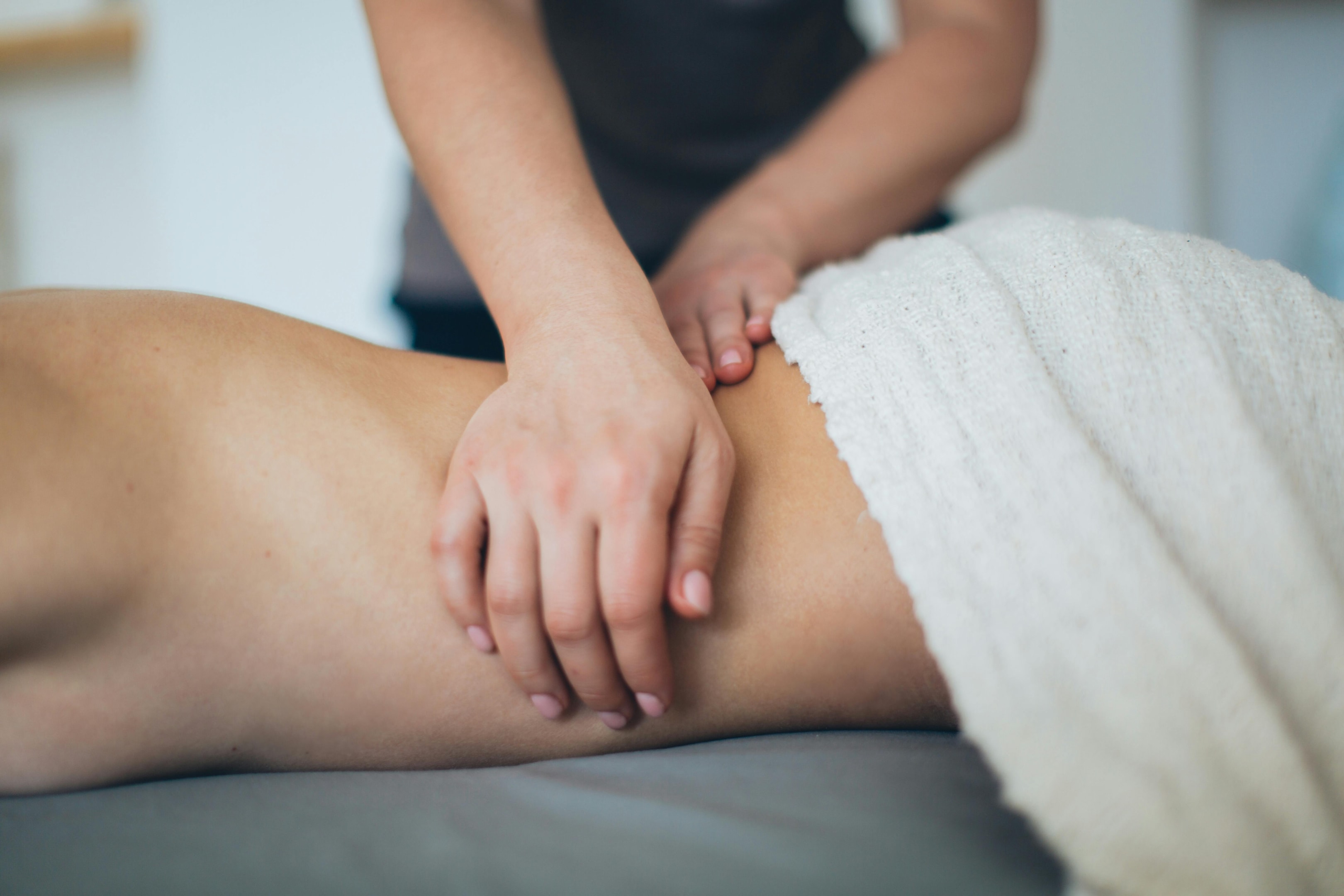
A pelvic floor physiotherapist begins by taking a thorough birth history, surgical history, hormonal status, and often a broader picture of stress and emotional wellbeing. The physical assessment involves both external and internal examination. Externally, your therapist will assess the mobility of your hips, sacrum, tailbone, and lumbar spine, as well as the tone and tenderness of the muscles of your inner thighs, abdomen, and glutes, all of which directly influence pelvic floor function.
Internally, with your consent at every step, they will assess the pelvic floor muscles themselves and evaluate their resting tone, their ability to contract and fully release, the presence of trigger points or areas of restricted tissue, and the condition of the vaginal walls. A skilled therapist can feel exactly where the holding is, which muscles are guarding, and where scar tissue or fascial restriction is limiting movement.
Manual Therapy: Working the Tissue Directly
The primary treatment modality in pelvic floor physiotherapy is hands-on manual work, both externally and internally. Therapists may use their hands, or internal tools.
-
Myofascial release addresses the connective tissue that surrounds and runs through the pelvic floor muscles, releasing the fascial restrictions that prevent the tissue from moving freely.
-
Trigger point release targets specific knots of contracted muscle fibre that refer pain to other areas. A trigger point on the left side of the pelvic floor, for example, can create pain at the vaginal entrance or deep in the hip. The therapist applies sustained, direct pressure to these points until the tissue releases, which it will, given enough time and enough patience.
-
Scar tissue mobilisation is its own branch of this work. Scar tissue that has adhered to surrounding structures can restrict movement and create chronic pelvic pain far from the original site. Releasing it requires slow, patient work directly on and around the scar itself.
Read: Pelvic Floor Massage Techniques, Benefits, & How To Guide
Exercise-Based Therapy
Manual work is paired with an exercise programme tailored specifically to your presentation. This might include breathing patterns that directly influence pelvic floor tone, gentle hip and sacral mobility work, stretches that target the hip flexors, piriformis, and adductors, and progressive movement practices that help restore coordination between the pelvic floor and the rest of the body.
In the early stages of treatment for painful intercourse, strengthening the pelvic floor is almost never the goal. The pelvic floor in dyspareunia is typically already too active, too tight, already doing too much. What it needs is to learn how to let go. Kegels, done indiscriminately, can make things significantly worse. The therapeutic focus is on restoring the full range of muscular function and the ability to both engage and completely surrender.
Understanding Somatic Storage in the Pelvis
The pelvic floor often tightens unconsciously. The contraction happens beneath conscious awareness, driven by a nervous system that is doing its job and assessing threat and responding accordingly. The question is not whether the response is happening. It is what the nervous system has learned to read as threatening.
-
Fear of pain is perhaps the most immediate driver. Once penetration has been painful, the body anticipates it. The nervous system catalogues the experience and, the next time intimacy begins, initiates a protective contraction before contact has even occurred.
-
Negative sexual experiences leave a more complex imprint. This includes everything from sex that was coerced or non-consensual, to experiences that were technically consensual but felt wrong, unwanted, or disconnected from genuine desire. The body does not grade these experiences on a scale of severity. If something felt unsafe, the tissue remembers it.
-
Relationship stress is one of the most overlooked contributors to pelvic pain. The state of a woman's relationship lives in her body. A woman cannot fully open physically in a relationship where she does not feel emotionally safe, and her pelvic floor will communicate this with precision.
-
Unresolved trauma is stored somatically when the nervous system's natural completion cycle is interrupted. Trauma that was never fully processed stays in the body, as a chronic state of readiness, as tissue that never fully softened after the original contraction. The pelvis, in particular, holds a high concentration of this stored material in women who have experienced any form of violation or overwhelming experience.
-
Performance anxiety creates a subtler but equally real form of pelvic holding. The pressure to be present, responsive, and pleasurable activates the same stress response as any other perceived threat. The pelvic floor does not distinguish between a lion and a deadline. It contracts when the nervous system is under pressure, and sex under the weight of performance pressure is, for many women, exactly that.
-
Shame and disconnection from the body may be the most pervasive of all contributors, precisely because they are so culturally normalised that most women don't recognise them as wounds. A lifetime of being taught various conditionings accumulates. It produces a chronic, low-grade withdrawal from embodied sensation, and a woman who lives mostly from the neck up and has learned to dissociate from the lower half of her body as a matter of habit.
Read: What Causes Vaginal Spasms & How to Stop Them Safely
Internal Release Tools: Crystal Wands
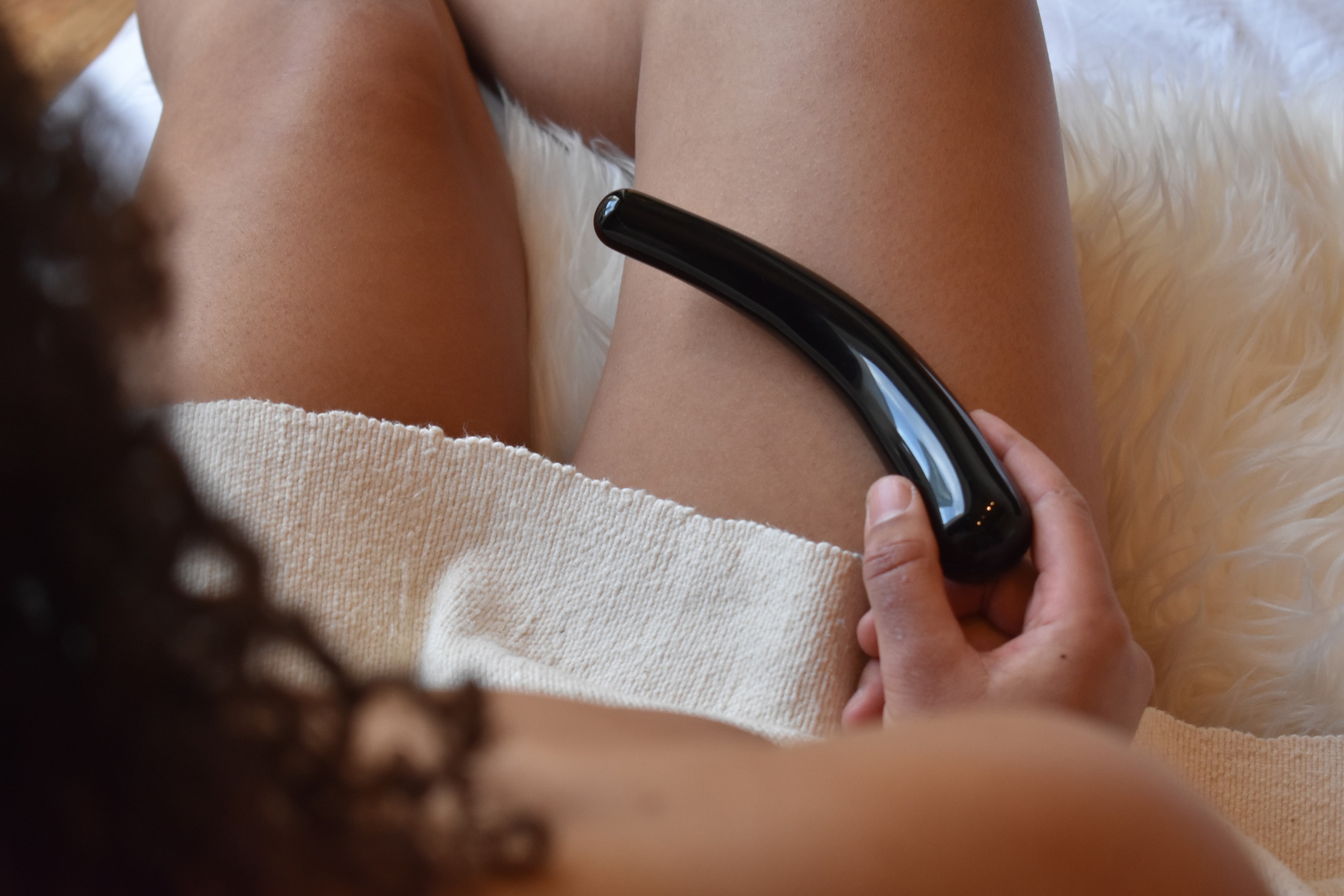
The Curve | Black Obsidian Massage Wand
Crystal wands are smooth, polished stones shaped specifically for internal vaginal or anal use. Their natural density and firmness make them uniquely suited for something silicone and plastic cannot replicate, which is sustained, precise internal pressure that mimics the manual therapy techniques a pelvic floor physiotherapist uses on a treatment table.
Tight pelvic muscles and trigger points respond to sustained direct pressure by releasing. This is the same principle behind the internal manual therapy your PT performs with their hands. The wand allows you to do this yourself, with complete control over exactly where the pressure is applied, how deep it goes, and how long you hold it.
Beyond the physical release, the wand does something equally important at the nervous system level. Slow, controlled internal contact that you are entirely in charge of begins to give your nervous system new data, where you can experience penetration without pain and internal touch without threat.
Yoni Eggs: Rebuilding Trust & Tone After Pain Has Resolved
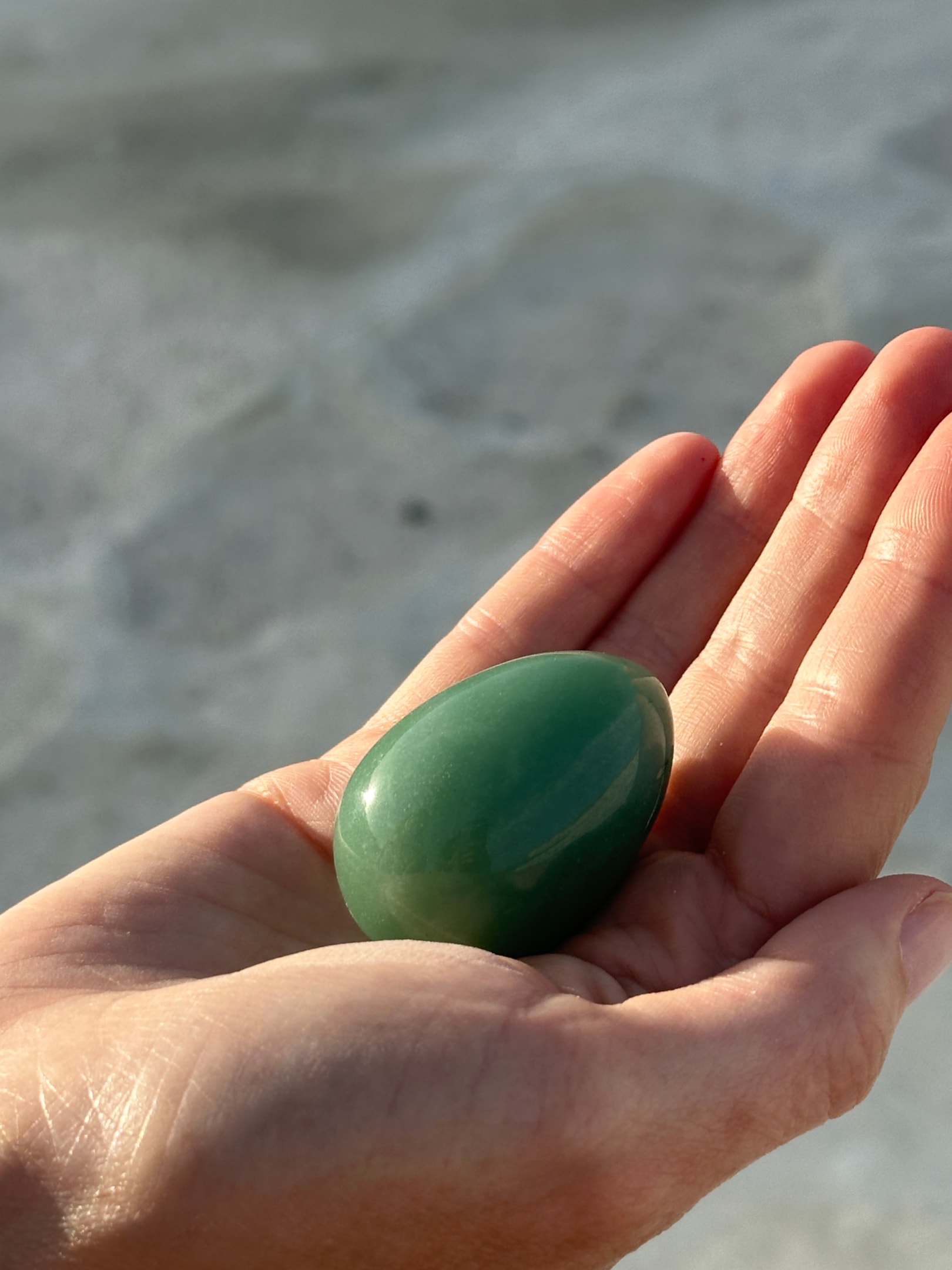
A yoni egg is a smooth, egg-shaped stone worn internally inside the vaginal canal. In the context of recovering from painful intercourse, it is a proprioceptive rehabilitation tool as it gives the pelvic floor muscles something to sense, which restores the neural connection between the brain and the tissue that chronic pain and dissociation progressively dull.
The yoni egg is not for active pain. If your pelvic floor is still in a state of chronic holding, introducing an internally worn object will simply give the muscles something new to grip, reinforcing the exact pattern you are working to undo. The egg comes after the releasing work.
Long-term pelvic pain makes the pelvis a place a woman mentally leaves. The discomfort, the bracing, the effort of getting through over time creates a progressive disconnection from internal sensation and pleasure too.
The gentle weight and continuous presence of the egg inside the body creates a low-level feedback loop between the pelvic floor and the nervous system, gradually restoring the felt sense of that space. With the egg in place, a woman can begin consciously exploring the full range of her pelvic floor and experience complete release, subtle lateral movement, and the ability to distinguish sensation in different areas of the canal.
Read: Yoni Egg Exercises for Beginners: A Guide to Rebuilding Pelvic Floor Strength
Our Healing Vaginal Pain Course

Healing Vaginal Pain is an online membership for women containing 11 modules and 58 guided lessons designed to help you release pain and stored emotion from the body, with a specific focus on the pelvic space. It is self-paced, self-directed, and built for women who want to move through this healing on their own terms.
Each module works with a specific layer of what keeps pelvic pain in place:
-
Nervous system regulation and shifting the body out of chronic fight-or-flight and into the safety state where the pelvic floor can genuinely soften.
-
Guided emotional release and somatic practices that move stored grief, fear, and shame through the body rather than continuing to carry it as muscular tension.
-
Trauma-informed internal touch and guided audio sessions teaching you how to use a crystal wand for self-applied internal release work.
-
Breath-led pelvic opening and rebuilding the breath-pelvic floor relationship so the body has a reliable pathway back to softness.
-
Reconnecting with pleasure without pressure and restoring the association between internal sensation, safety, and genuine desire.
Home Exercises for Painful Intercourse
1. Diaphragmatic Pelvic Breathing
Most women dealing with painful sexual intercourse have also developed a shallow, chest-dominant breathing pattern without realising it. The diaphragm and the pelvic floor move together as a unified pressure system. When the diaphragm fully descends on an inhale, the pelvic floor softens downward in response. When the diaphragm never fully descends because the breath is habitually short and high, the pelvic floor never fully releases. Over time, this becomes the body's baseline with tight muscles in the pelvic floor that are chronically slightly held, slightly braced, perpetuating physical pain and contributing to the cycle of painful sex.
To do this, lie on your back with your knees bent and your feet flat. Place one hand on your belly and one on your chest. Inhale slowly through your nose, directing the breath down into your belly so that your lower hand rises while your upper hand stays relatively still. As the breath fills your lower abdomen, consciously allow your pelvic floor to soften downward, as if the floor of your pelvis is a hand unclenching.
Breathe out slowly and completely, letting the belly fall, and on the next inhale allow the drop to go even deeper. Ten minutes of this daily will produce measurable changes in pelvic floor muscle function and pain intensity over time.
Read: The Link Between The Pelvic Floor & Breathing Coordination
2. Supported Child's Pose
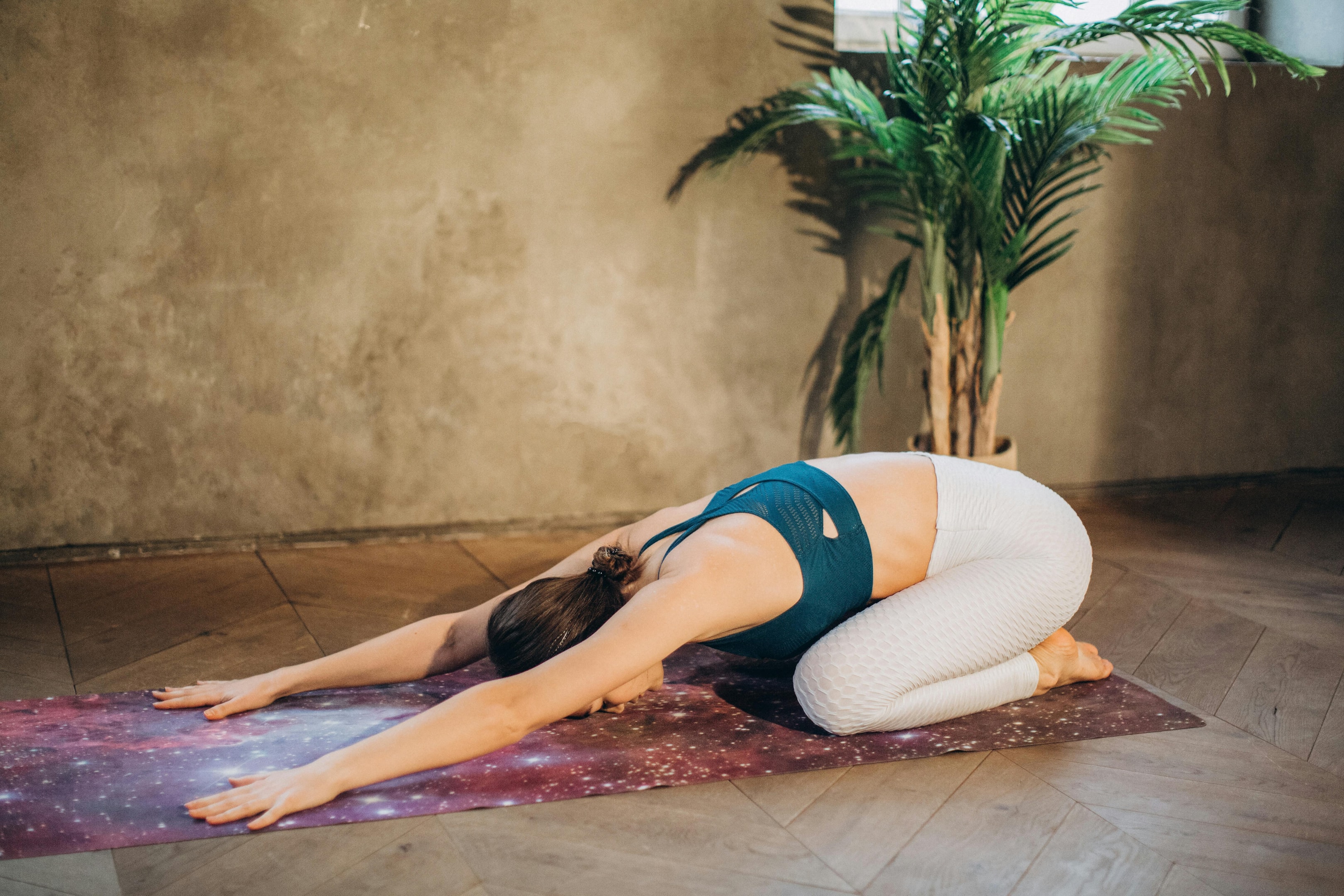
Child's pose is one of the most effective passive releases for the vaginal muscles and surrounding pelvic tissue available, and the supported version makes it accessible even when muscle tightness is significant.
Take a bolster, a rolled blanket, or a stack of firm pillows and place it lengthwise on your mat. Kneel over it so that your torso is fully supported with your knees wide and your big toes touching behind the bolster. Your hips sink toward your heels. If your hips don't reach your heels comfortably, place a folded blanket between your thighs and calves for support.
Once you are settled, close your eyes and bring your attention to the inner walls of the pelvis. The support beneath you removes any muscular effort from the equation, which is precisely the point, as the body can release what it would otherwise be holding up. Improved blood flow to the pelvic region follows naturally as the tissue softens out of its chronic contracted state. With each exhale, visualise the pelvic floor widening, the vaginal walls softening outward, the space between the sitting bones gently expanding.
Stay for three to five minutes minimum. This posture also carries a particular quality of emotional unwinding. Psychological factors in pelvic pain are real and physiologically significant, and postures that simultaneously address physical discomfort and create conditions for emotional settling are particularly valuable.
3. Supported Deep Squat
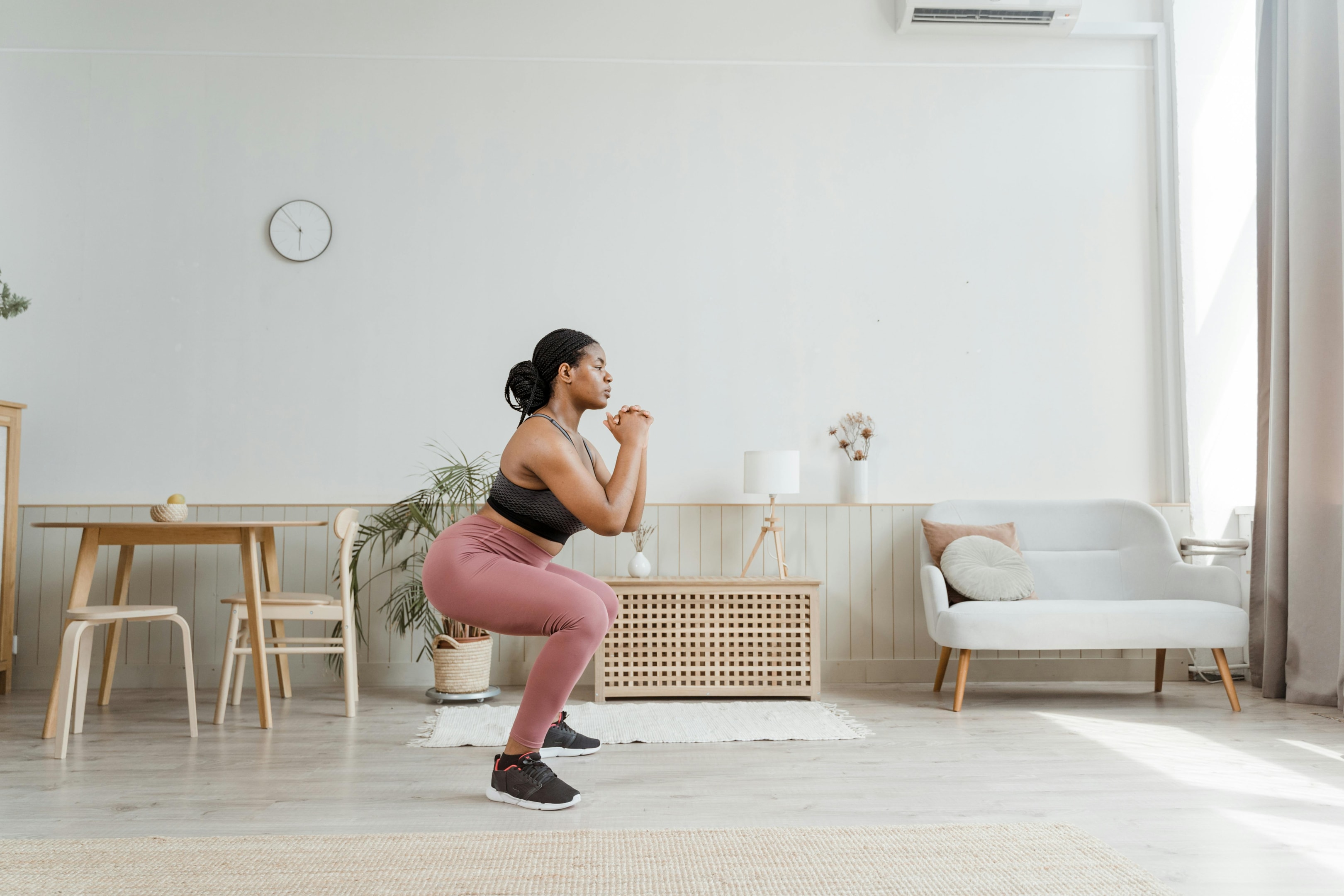
Stand facing a doorframe, a sturdy piece of furniture, or hold a strap looped around something fixed at waist height. Feet are hip-width apart or slightly wider, toes turned out to whatever angle allows your heels to stay on the floor. Holding your support, lower yourself into a full squat, letting your hips descend below your knees. The support allows you to release the pelvic floor fully without the muscular bracing required to balance unsupported.
In this position, the pelvic floor naturally lengthens and descends. The hip flexors, adductors, and deep rotators are simultaneously being released. This makes the supported squat one of the most efficient single exercises for alleviating pain that originates in pelvic floor myalgia, because it addresses multiple contributing muscle groups in one position. Breathe deeply here and let the pelvic floor drop with each exhale. Hold for thirty seconds to two minutes, coming out slowly.
4. Supine Butterfly Pose
Lie on your back. Bring the soles of your feet together and allow your knees to fall open to the sides, so your legs form a diamond shape. Place a folded blanket or a yoga block under each knee if the inner thighs are too tight to allow the legs to drop comfortably, you want zero muscular effort holding the legs up. Your arms rest alongside your body or on your lower belly.
The adductors have a direct fascial relationship with the vaginal muscles and pelvic floor. When they are chronically tight, which they consistently are in women experiencing genital pain and painful vaginal penetration, they contribute to the overall holding pattern in the pelvis. This posture addresses that connection passively, allowing the inner thighs to soften over time rather than being stretched forcefully. The resulting increase in blood flow to the pelvic region supports tissue health and reduces pain sensitivity across the entire area.
5. Psoas Release With Breath
The psoas is a deep hip flexor muscle running from the lumbar spine through the pelvis to the inner thigh. It is also one of the primary pathways through which psychological factors manifest as physical pain in the pelvic region. A chronically contracted psoas compresses the sacrum, pulls the lumbar spine out of its natural curve, and feeds tension directly into the pelvic floor. In women with persistent genital pain and painful sexual intercourse, psoas tightness is almost universally present and frequently overlooked in traditional physical therapy approaches.
Lie on your back in constructive rest position with knees bent, feet flat on the floor, arms by your sides. This position alone begins to release the psoas passively as the angle of the hip takes the muscle off its chronic contraction and allows it to soften. Stay here for five minutes before adding any active component. Notice whether your lower back releases toward the floor during this time. If it does, that is the psoas beginning to let go, and the downstream effect on pelvic floor tension will follow.
From here, extend one leg long along the floor while keeping the other knee bent. The extended leg creates a mild psoas stretch on that side. Breathe slowly, directing the breath toward the hip crease of the extended leg, imagining the inhale filling and softening that space. On the exhale, let it release further. After two to three minutes, switch sides.
When to Seek Clinical Assessment
Sharp pain that is sudden, severe, or accompanied by fever, unusual discharge, or bleeding warrants prompt medical attention. These symptoms can indicate infection, pelvic inflammatory disease, or other conditions requiring direct clinical diagnosis and treatment before any self-applied work is appropriate.
Deep pain during sexual intercourse should be assessed by a gynaecologist or pelvic floor PT to rule out structural contributors like endometriosis, ovarian cysts, uterine fibroids, or pelvic congestion syndrome. These conditions can absolutely be worked alongside with somatic and self-care practices, but they need to be identified first so that your self-practice is informed and appropriate rather than working blindly against a structural reality.
FAQ
Yes, and it is one of the most effective treatments available for dyspareunia. A pelvic floor physical therapist can assess exactly where the dysfunction is, whether that is muscle spasms, pelvic floor myalgia, scar tissue, or nerve sensitivity, and use targeted physical therapy modalities to address it directly. Multiple randomized controlled trials confirm that pelvic floor rehabilitation produces significant pain relief and measurable improvements on the female sexual function index. It works best when combined with somatic and self-directed practices that address the nervous system and emotional layers alongside the physical ones.
The most important thing to understand is that painful intercourse is almost never caused by a weak pelvic floor, it is caused by one that is too tight. Standard pelvic floor muscle exercises like Kegels are designed to build pelvic floor muscle strength and will make things worse if muscle spasms and chronic tension are already present. The exercises that actually help are release-based and include diaphragmatic breathing that drops and softens the pelvic floor on each exhale, reverse Kegels that train the pelvic floor to descend rather than grip, supported deep squats, and hip opening postures that reduce tension in the muscles feeding directly into the pelvic floor. Pelvic floor relaxation, not strengthening, is the goal in early recovery.
Yes. Painful arousal is often caused by the same underlying pelvic floor dysfunction that drives intercourse pain and includes chronic muscle tension, nerve hypersensitivity, and a nervous system that has learned to associate any pelvic activation with threat. A pelvic floor physical therapist can assess whether the pain is muscular, hormonal, or nerve-related, and treat accordingly. Vaginal dryness related to hormonal shifts may also be a contributing factor, which your healthcare provider can address alongside physical therapy through hormone therapy or topical treatments.
There is no single fix, but there is a clear pathway. Treating dyspareunia effectively means addressing all three layers driving it, including the physical, the neurological, and the emotional. Pelvic floor physical therapy addresses the physical layer directly by releasing tight muscles, breaking down scar tissue, and restoring normal muscle function. Self-applied practices like breathwork, somatic release, nervous system regulation, and internal tools like crystal wands address the nervous system and emotional layers that clinical treatment alone cannot fully reach.
If you want structured, guided support for the somatic and emotional side of this healing, The Empowered Woman's Healing Vaginal Pain course was built exactly for this. With 11 modules and 58 lessons, it walks you through the complete self-directed process at your own pace, in your own space.
