

Table of Contents ▾
You've probably heard of the G spot. Maybe the A spot. And if you've spent any time down the rabbit hole of female anatomy, you've likely come across the term "O spot" too, only to find that no one seems to agree on exactly what it is.
The O spot refers to a sensitive zone located on the anterior wall of the vagina, closer to the cervix than the G spot. It's thought to be part of the broader internal clitoral network, a region rich in nerve endings that, when stimulated, can produce deep, full-body sensation distinct from surface-level arousal.
Female Sexual Anatomy & the O Spot
The vagina is a muscular, elastic canal that connects the vulva to the cervix. Its walls are layered with tissue, nerves, and blood vessels that respond to arousal by increasing blood flow, producing lubrication, and expanding in length and width. Running along the front (anterior) wall of the vagina is the urethra, the tube that carries urine from the bladder, and surrounding it is a spongy erectile tissue known as the urethral sponge, or paraurethral tissue. This sponge engorges during arousal, much like penile erectile tissue does, and it plays a significant role in internal sensation.
The clitoris, often thought of as the small external nub at the top of the vulva, is actually a much larger internal structure. It extends internally as two crura (legs) and two vestibular bulbs that wrap around the vaginal canal. This means that what feels like vaginal sensation is often, in part, clitoral sensation. The internal arms of the clitoris are closer to the vaginal wall than most people realise.
The O spot sits on the anterior vaginal wall, deeper than the G spot and closer to the cervix. Anatomically, it falls within a region where several structures converge, which includes the urethral sponge, branches of the internal clitoris, and a dense concentration of nerve endings and blood vessels. The tissue here tends to have a higher collagen density than other parts of the vaginal wall, which affects both its texture and how it transmits pressure and sensation. When this area is adequately stimulated, and when there's sufficient blood flow and tissue hydration, many women report a sensation that feels deeper, more diffuse, and qualitatively different from G spot or clitoral stimulation.
O Spot vs G Spot vs A Spot
| G Spot | A Spot | O Spot | |
|---|---|---|---|
| Location | Anterior vaginal wall, 5–8cm from the entrance | Anterior vaginal wall, deep — just below the cervix | Anterior vaginal wall, between the G spot and A spot, closer to the cervix |
| Tissue type | Urethral sponge / paraurethral tissue | Anterior fornix / deep vaginal tissue | Convergence of urethral sponge, clitoral tissue, and dense nerve endings |
| Responds to | Direct pressure, come-hither motion | Gentle, repetitive deep pressure | Sustained deep pressure, full arousal |
| Sensation quality | Pressure, urgency | Deep warmth, full-body arousal | Diffuse, deep sensation |
| Orgasm potential | Yes | Yes | Yes |
| Common confusion | Clitoral stimulation | O spot | G or A spot |
How the O Spot Is Stimulated During Sexual Intercourse

Penetration alone doesn't guarantee O spot contact. Because the O spot sits deeper on the anterior vaginal wall and is closer to the cervix than the G spot, standard depth and angle often bypass it entirely.
Angle is the primary variable. Positions that tilt the pelvis and direct pressure toward the front wall of the vagina are most likely to reach the O spot. Rear-entry positions (particularly with the receiving partner's hips elevated), missionary with a pillow under the hips, and positions where the receiving partner controls depth and angle tend to increase anterior wall contact. The goal is sustained, repeated pressure against the front wall, not thrust depth.
The difference between penis and finger stimulation comes down to precision and feedback. A partner using their fingers can feel tissue response, adjust pressure in real time, and hold a specific point. Penetrative intercourse covers more surface area but offers less targeted contact, which means the O spot may be grazed rather than consistently stimulated. Some women find that intercourse produces diffuse O spot sensation rather than direct, concentrated pressure, which can be pleasurable in its own right, but different in quality.
Rhythm and repetition matter more than intensity. The tissue in this region responds to sustained contact and accumulating pressure rather than speed or force. Shallow, angled strokes that consistently return to the same point tend to be more effective than deep, forceful thrusting. Many women report that O spot sensation during intercourse builds slowly and it often isn't felt in the first few minutes, and it increases as arousal and tissue engorgement develop.
Manual O Spot Stimulation With Fingers
1. Begin with full arousal
The O spot region feels firm and resistant when unaroused. Spend time on external stimulation first, which includes clitoral, breast, or whatever builds genuine arousal for you. Signs you're ready are increased lubrication, a sense of warmth or fullness in the pelvis, and tissue that feels softer and more yielding under pressure.
2. Insert one or two fingers with your palm facing upward
Curl toward the anterior (front) wall and move deeper than you would for G spot stimulation, past the ridged G spot tissue, toward the smoother, firmer area closer to the cervix. The O spot region typically feels denser and less textured than the G spot.
3. Apply steady, held pressure rather than stroking
The O spot responds to sustained contact, not friction. Press in and slightly upward against the anterior wall and hold. Some women find a slow, deep rocking motion more effective than repetitive movement. The key is engagement, not speed.
4. Expect a slow build
Sensation here rarely arrives immediately. It typically starts as neutral pressure, moves into mild intensity, and shifts into pleasure after several minutes of consistent stimulation. If it feels uncomfortable from the start, ease back and return to surface stimulation before trying again.
5. Watch for signs of overstimulation
The shift from pleasurable to too much can happen quickly. Sharp or aching sensation, the urge to pull away, or a sudden drop in arousal are all signals to reduce pressure or pause entirely. Take breaks as this tissue responds better to intervals than to sustained force.
6. If pain occurs, adjust before continuing
Pain most commonly comes from insufficient arousal, too much pressure too soon, or accidental contact with the cervix. Ease the depth, soften the pressure, and return to external stimulation to reset. Do not push through discomfort.
Using Crystal Wands to Stimulate the O Spot
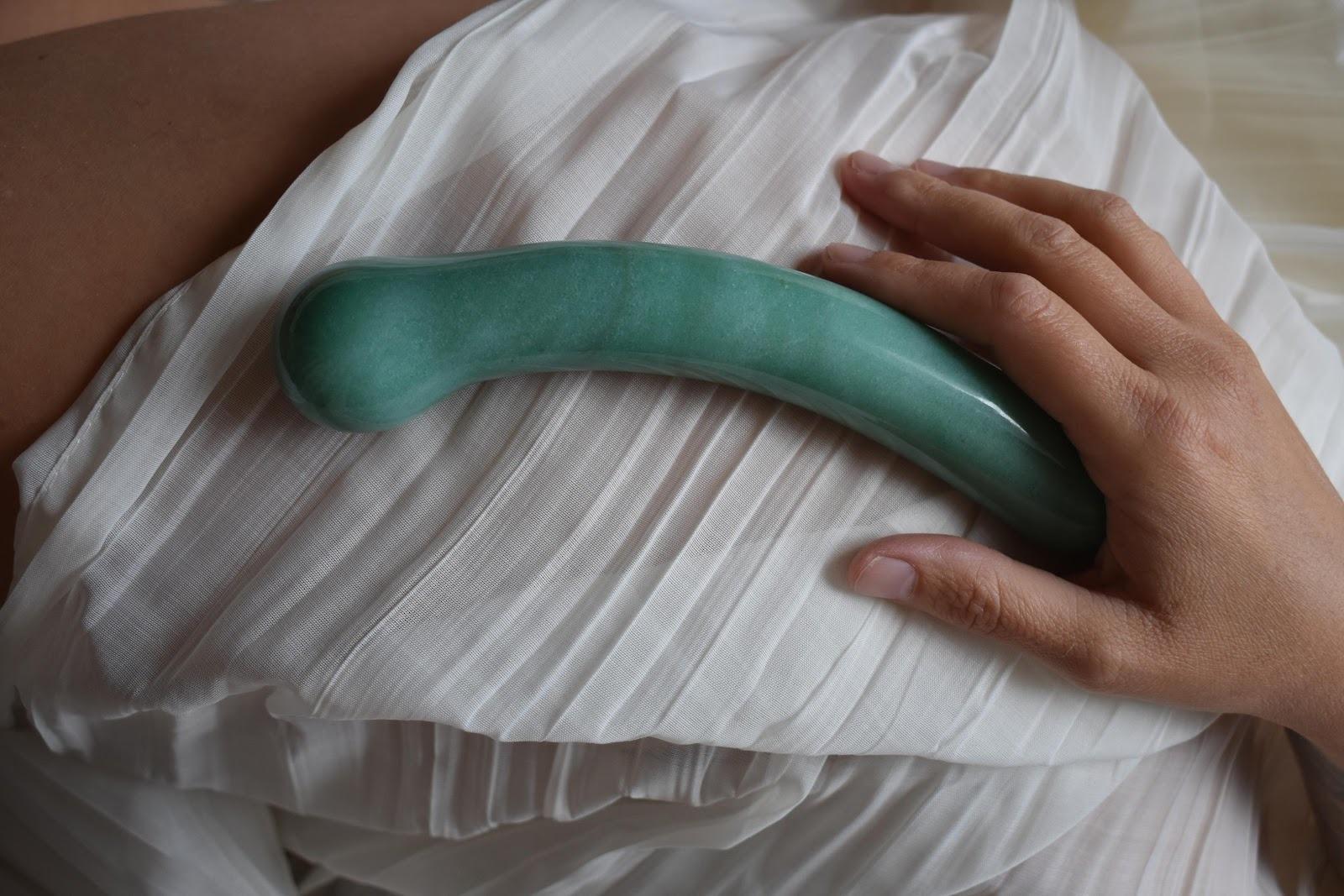
A crystal wand is a smooth, rigid internal tool designed for internal massage and intentional stimulation of the vaginal walls. Unlike soft silicone toys, crystal wands don't flex or compress, which makes them unusually effective for applying precise, sustained pressure to specific points on the vaginal wall.
Shape and curve are what make a wand suited to O spot work. A wand with a pronounced curve, like our curved wands, or with a bulbous end, like our Amrita® wands allows the user to direct firm, angled pressure toward the anterior wall without the hand fatigue that comes with sustained finger stimulation. The firmness of crystal means pressure is transferred directly to the tissue rather than absorbed, which is the quality this region responds to best.
Steps For Using a Crystal Wand
Prepare your wand before use
Wash with mild soap and warm water and inspect for chips or cracks, as surface damage can irritate vaginal tissue. Avoid temperature extremes before insertion. Apply a generous amount of water-based lubricant as crystal is non-porous and doesn't self-lubricate. The depth of O spot work requires adequate lubrication to prevent friction.
Begin with a grounding practice
Women who hold pelvic tension often find deep internal stimulation activating rather than immediately pleasurable. A short body scan, slow breathing, or a few minutes of external stimulation before inserting the wand can make a significant difference in how the tissue responds.
Insert the wand with the curved end facing upward
Guide it toward the anterior wall, past the G spot zone, toward the deeper, smoother tissue closer to the cervix. Move slowly and with intention, this is not a tool for speed.
Apply gentle but firm inward pressure and hold
The technique here is almost the opposite of what most people expect. You want still, sustained, and deliberate rather than moving. Small rocking motions or micro-adjustments in angle can help locate the most responsive point, but once found, consistent stillness tends to produce the deepest sensation.
Breathe consciously throughout
Long, slow exhales while maintaining pressure actively support pelvic floor release and allow sensation to move through the body rather than stay localised. If you notice yourself holding your breath or bracing, pause and reset before continuing.
Store your wand properly after use
Wash again with mild soap and warm water, dry thoroughly, and store in a soft pouch away from hard surfaces to prevent damage.
What Is the O Shot?
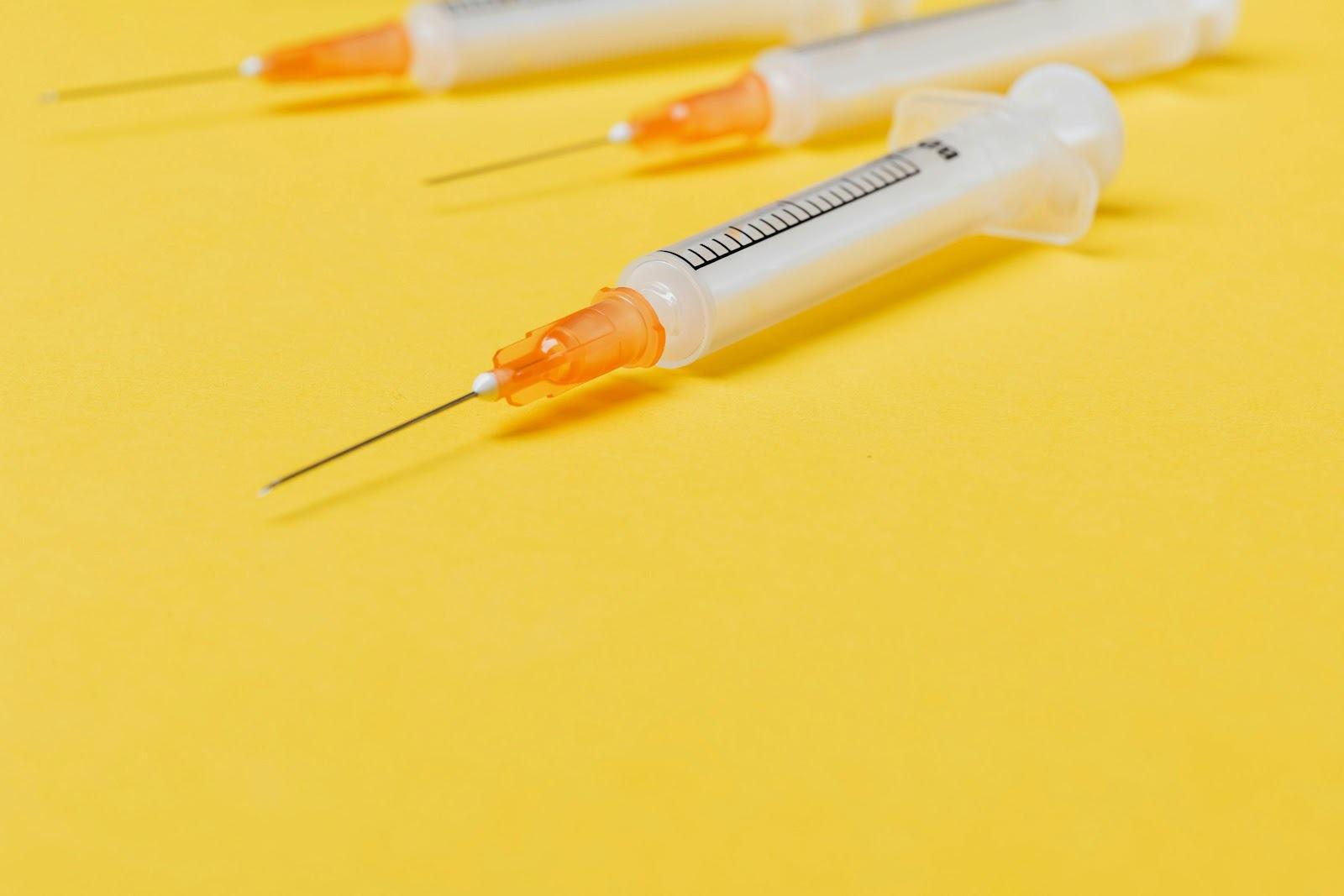
The O Shot — short for Orgasm Shot — is a cosmetic gynaecological procedure that uses platelet-rich plasma (PRP) derived from the patient's own blood and injects it into targeted vaginal tissue with the intention of enhancing sexual sensation. It was developed by American physician Charles Runels, who also created the P-Shot for men and the Vampire Facial. Runels trademarked the O Shot name in 2011, and the procedure has since been offered by cosmetic and aesthetic clinics globally.
The process begins with a standard blood draw. That blood is placed in a centrifuge, which separates the plasma — the liquid component — from red blood cells. The resulting platelet-rich plasma contains a concentrated mix of growth factors: proteins that the body uses in tissue repair, collagen production, and cellular regeneration. When injected into the anterior vaginal wall and the area around the clitoris, the intention is to stimulate localised tissue renewal, improve blood flow, and increase nerve sensitivity in those regions.
The procedure gained traction largely through direct-to-consumer marketing and word of mouth among women seeking non-hormonal options for low libido, arousal difficulties, or age-related changes in sexual sensation. Its appeal is partly in the framing — using the body's own biology rather than synthetic hormones or pharmaceutical intervention. Runels trained and licensed providers across the US, UK, and beyond, which contributed to rapid spread without the infrastructure of a typical clinical rollout.
The medical community's response has been mixed, and that's putting it charitably. While PRP has legitimate, well-evidenced applications in orthopaedics and wound healing, its use in sexual medicine lacks the large-scale, peer-reviewed clinical trials that would establish it as evidence-based practice. The FDA has not approved PRP injections for sexual dysfunction, and several regulatory bodies have raised concerns about clinics marketing the procedure with outcome claims that outpace the available evidence.
We don't condone the O Shot. Not because the underlying science of PRP is fraudulent, but because the procedure exists in a commercial space that profits from women's insecurity about their sexuality — and because the body already has remarkable capacity for increased sensation, responsiveness, and pleasure when given the right conditions. The sections below explore what those conditions actually look like.
Potential Benefits of O Shot Treatment
Proponents of the O Shot point to a range of reported benefits, and it's worth engaging with these honestly rather than dismissing them outright.
Some women report increased sensitivity and arousal in the weeks following the procedure, particularly in the clitoral region and anterior vaginal wall. Improved blood flow to the injected tissue is the proposed mechanism — more vascularisation means more engorgement during arousal, which in turn means heightened nerve response. A subset of women also report easier orgasms, stronger orgasmic sensation, and increased natural lubrication.
The procedure has also been used as a complementary treatment for mild stress urinary incontinence, given that the injected tissue overlaps with the urethral sponge and pelvic floor support structures. Some clinical case studies have reported modest improvement in leakage symptoms, though again, large-scale data is limited.
The most honest summary is this: some women experience meaningful improvement, some experience modest or placebo-level change, and some experience no benefit at all. Results are highly individual and appear to depend on baseline tissue health, hormonal status, existing pelvic floor function, and factors that aren't yet well understood. The procedure does not guarantee orgasms, does not address psychological or relational contributors to low arousal, and should not be positioned as a solution to complex sexual health concerns.
Risks, Pain, and Limitations
The O Shot is generally described as low-risk by providers, and serious adverse events are rarely reported. That said, the risk profile deserves honest disclosure.
The injection itself involves a needle entering sensitive vaginal tissue, and while topical anaesthetic is typically applied beforehand, many women report moderate discomfort during the procedure and localised soreness for several days afterward. Bruising, swelling, and temporary hypersensitivity are common in the short term. In rare cases, women have reported increased pain or a worsening of sensation rather than improvement — a reminder that injecting tissue does not come with a predictable outcome.
Results, when they occur, are not permanent. PRP's effects on tissue are time-limited, and most providers recommend repeat treatments every 12 to 18 months to maintain any benefit. This makes the O Shot an ongoing financial commitment rather than a one-time intervention — something that isn't always made clear upfront.
The most significant limitation is the evidence gap. There are no large-scale randomised controlled trials confirming efficacy for sexual dysfunction. The studies that do exist tend to be small, unblinded, and often funded by parties with commercial interest in the outcome. This doesn't mean the procedure never works — patient-reported outcomes suggest it does for some women — but it does mean informed consent requires acknowledging genuine uncertainty.
Women who should approach the O Shot with particular caution include those with clotting disorders, active vaginal infection, a history of platelet dysfunction, or oestrogen-sensitive cancers. A thorough consultation with a qualified gynaecologist — not a cosmetic clinic with a financial interest in the outcome — is essential before considering any procedure in this category.
Enhancing the O Spot Without Medical Treatment
The body's capacity for deep internal sensation isn't fixed. It develops — through awareness, consistency, and the kind of patient, attentive stimulation that most women are never taught to prioritise.
The most reliable way to enhance O spot responsiveness over time is repeated, intentional engagement. This doesn't mean more stimulation, faster. It means returning to the area consistently, with full arousal, and allowing the tissue to gradually become more familiar with that kind of pressure. Neural pathways associated with pleasure strengthen with use — the more frequently an area is stimulated in a safe, aroused state, the more readily it responds. This is as true for internal erogenous zones as it is for any other part of the body.
Crystal wands, fingers, and curved internal toys are all effective tools for building this kind of awareness, used regularly and without performance pressure. The distinction between a tool and a medical procedure is worth sitting with: one supports the body's own intelligence, the other attempts to override or accelerate it. Combining manual or wand-based stimulation with intercourse — using fingers or a wand to build O spot awareness first, then incorporating penetrative sex — can help map sensation in a way that makes it more accessible during partnered sex over time.
Patience is not a passive instruction here. It's the actual mechanism. The anterior vaginal wall, and the O spot region in particular, often requires longer arousal windows, more relaxed nervous system states, and more consistent attention than other erogenous zones. Women who report strong O spot sensation rarely describe it as something that happened immediately — they describe it as something that developed, often slowly, through curiosity and practice rather than technique alone.
The body already knows how to do this. It usually just needs the right conditions and enough time.
