

Table of Contents ▾
Pelvic floor therapy and pelvic wall therapy may sound similar, but they target different parts of the body and address distinct symptoms and needs.
Pelvic floor therapy focuses on the hammock-like group of muscles at the base of the pelvis. These muscles support the bladder, uterus, and rectum, and are involved in sexual function and core stability.
Pelvic wall therapy works deeper into the side walls and surrounding structures of the pelvic cavity to address pain . These muscles and connective tissues line the inner sides of the pelvis, stabilizing the hips, spine, and organs while playing a major role in posture and pelvic nerve health.
In this article, we’ll explore what pelvic wall therapy is and how it can be a key missing piece in resolving stubborn pelvic pain and restoring full-body stability.
What Conditions Pelvic Wall Therapy Treats
Vaginismus
Vaginismus often involves deep tension in the pelvic walls, especially the obturator internus muscles that wrap along the inner hips. When these walls tighten reflexively, they can pull the vaginal canal into a narrower, guarded position, making penetration painful or impossible. Pelvic wall therapy works internally along these side muscles to release protective gripping and retrain how they coordinate with hip rotation and breathing. Over time, this can ease the “locking up” response and restore the ability to engage in penetration with more comfort.
Pelvic Organ Prolapse
While prolapse is often linked to pelvic floor weakness, the side walls play a crucial role in supporting organ position and distributing pressure from above. Weakness or tension here can allow the bladder, uterus, or rectum to shift lower and press against the vaginal wall. Pelvic wall therapy strengthens these stabilizers and improves fascial support between the hips and spine.
Dyspareunia (Painful Sex)
Deep or side-specific pain during sex often points to trigger points or restricted fascia in the pelvic walls. Pelvic wall therapy uses gentle, sustained pressure to release these areas and retrain how the hips and pelvic walls move together.
Urinary Incontinence
The pelvic walls help control bladder pressure by working in sync with the pelvic floor and deep core. When the side walls are weak or overactive, they can disrupt this coordination leading to leaks during impact or sudden urgency. Pelvic wall therapy retrains muscle timing for activities like coughing or lifting and improves hip and core stability so the bladder stays supported.
Constipation and Chronic Straining
The side walls are active during bowel emptying, and when they’re tight or poorly coordinated, they can block full release. Chronic straining may create small tears or cause soreness that further reinforces muscle guarding. Pelvic wall therapy addresses these patterns with targeted nerve mobilization and training in optimal breath and hip positioning for smoother elimination.
How Do You Treat Pelvic Floor Dysfunction?

Internal Therapy and Manual Release
Pelvic wall therapy works inside the side walls of the pelvis, targeting the deep muscles and fascia that run from the inner hip toward the sacrum. These structures are easy to overlook because they aren’t part of the bowl-like pelvic floor, yet they influence everything from hip rotation to bladder control to the quality of sensation during sex. When these muscles shorten or lose their natural elasticity, they can compress nerves, and limit blood flow, creating pain or numbness that can persist for years.
Treatment can be done with the help of a pelvic health therapist or, with the right knowledge and tools, as a form of guided self-therapy. In either case, the work begins with slow, precise internal touch along the inner walls of the vagina. The therapist, or your own hand, or a tool like a wand, follows the curve of the pelvic bone, mapping out places where the muscle feels rigid or tender.
The release process is unhurried. Pressure is applied only to the level that feels tolerable, and breathing is used to coax the tissue into letting go. Instead of forcing change, the goal is to give the muscle and its surrounding fascia time to soften and move more freely. This might mean holding gentle contact in one place until the tissue responds, or slowly sweeping along the wall to restore its glide against the pelvic bone.
Breath Retraining and Diaphragmatic Coordination
The pelvic walls respond directly to how you breathe. Every inhalation and exhalation subtly shifts the pressure inside your abdomen, which in turn influences how the deep side muscles of the pelvis lengthen and contract. When breathing is shallow or held, the pelvic walls tend to brace unconsciously, gripping in response to the trapped pressure. Over time, this can keep them in a semi-contracted state.
Breath retraining for pelvic wall therapy teaches the diaphragm and side wall muscles to work in rhythm. The goal isn’t just to “breathe deeply” but to feel how the inhalation allows the walls to soften outward, and how the exhalation can help them draw in and stabilize without force. This process can be guided by a therapist’s hands, placed on the inner hips during internal work, or practiced on your own with focused body awareness. Slow belly expansion and even adding gentle vocal sounds can help release hidden gripping.
Postural Correction and Pelvic Alignment
If your hips are rotated, your pelvis tilted, or your weight unevenly distributed through your feet, one side of the pelvic wall can be placed under constant load while the other becomes underused. This imbalance can create deep aching on one side or contribute to nerve irritation.
Pelvic wall therapy begins with assessing how your hips move in relation to your spine and core. A therapist may observe your walking pattern and feel for differences in tone between the left and right pelvic walls. In self-practice, you can mirror this by paying attention to whether your knees collapse inward when standing or if you habitually lean into one leg.
Emotional Bodywork and Trauma Release
The pelvic walls, like the rest of the body, can carry the imprint of earlier experiences. When this part of the body has learned to guard itself, the guarding becomes a pattern, with muscles and fascia tightening reflexively long after the original event. In the pelvic walls, this can feel like a deep, unyielding tension along the inner hips or a heaviness that flares in certain positions.
Emotional bodywork for the pelvic walls addresses these holding patterns through slow, consent-led touch and movement. A therapist might combine internal manual release with grounding techniques or guided imagery to help you stay connected to your body while the tissue softens. In self-practice, this can mean pairing gentle internal work with intentional breathing or using slow hip rotations to invite the walls to let go.
Strengthening and Re-patterning Exercises
When the pelvic walls are weak or working unevenly between sides, they can’t provide the stable foundation your hips and pelvic organs need. This instability can cause one hip to overwork or allow the bladder and bowel to sit under uneven pressure. Strengthening for the pelvic walls focuses on restoring the coordinated engagement of these deep side muscles with the hips, glutes, and deep abdominals and teaching them to fire in harmony with the rest of the core.
Exercises might involve supported squats that encourage equal activation on both sides, bridge lifts with inner thigh engagement to recruit the obturator internus, or side-lying hip rotations that directly connect external hip movement with internal pelvic wall tone. The emphasis is on activating fully and then releasing completely. Breath cues help prevent over-gripping and ensure the walls can lengthen as well as contract.
Pelvic Wall Muscle Training Exercises
Kegels (Slow Pulses)
-
Lie down or sit comfortably with your feet flat and knees bent.
-
Gently squeeze your pelvic floor muscles as if stopping the flow of urine.
-
Hold the squeeze for 3–5 seconds.
-
Release fully, letting the muscles relax for 5–7 seconds before repeating.
-
Complete 8–12 repetitions, once or twice per day.
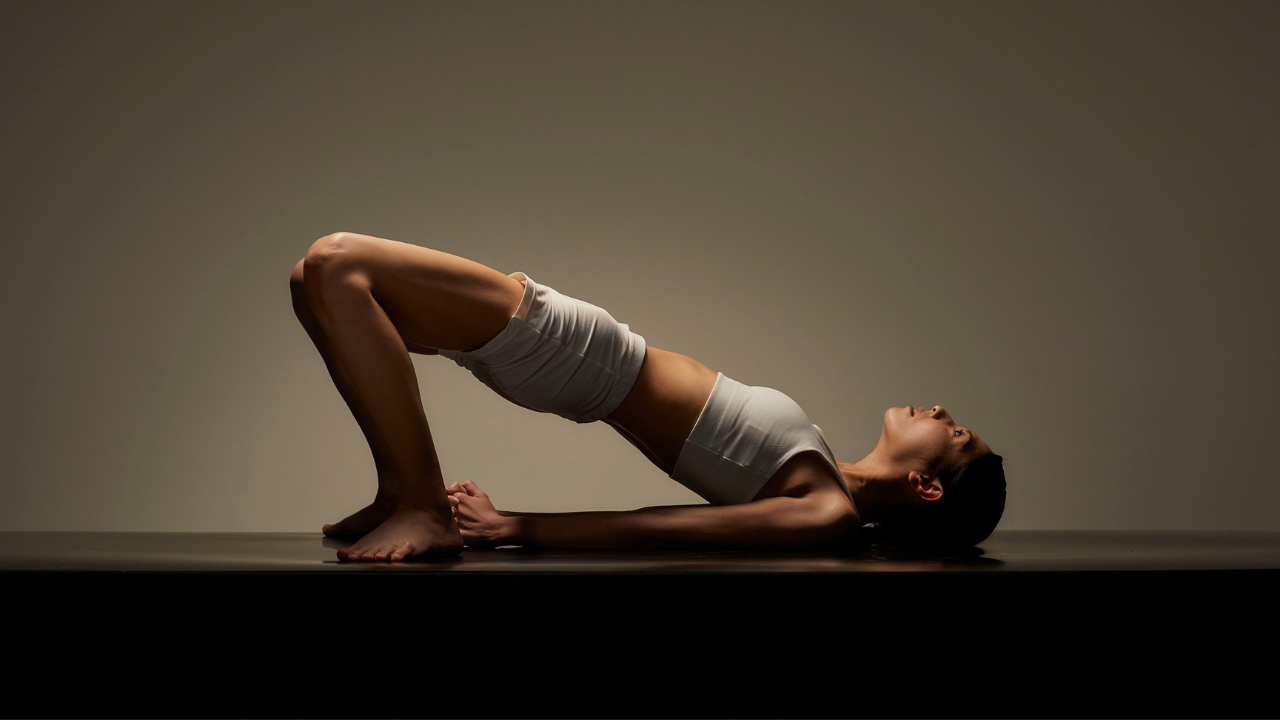
Bridge Pose
-
Lie on your back with knees bent and feet hip-width apart.
-
Press your feet into the floor, lifting your hips toward the ceiling.
-
Squeeze your glutes and lightly engage your pelvic floor at the top.
-
Hold for 5–10 seconds, then lower hips back down slowly.
-
Repeat 8–12 times.
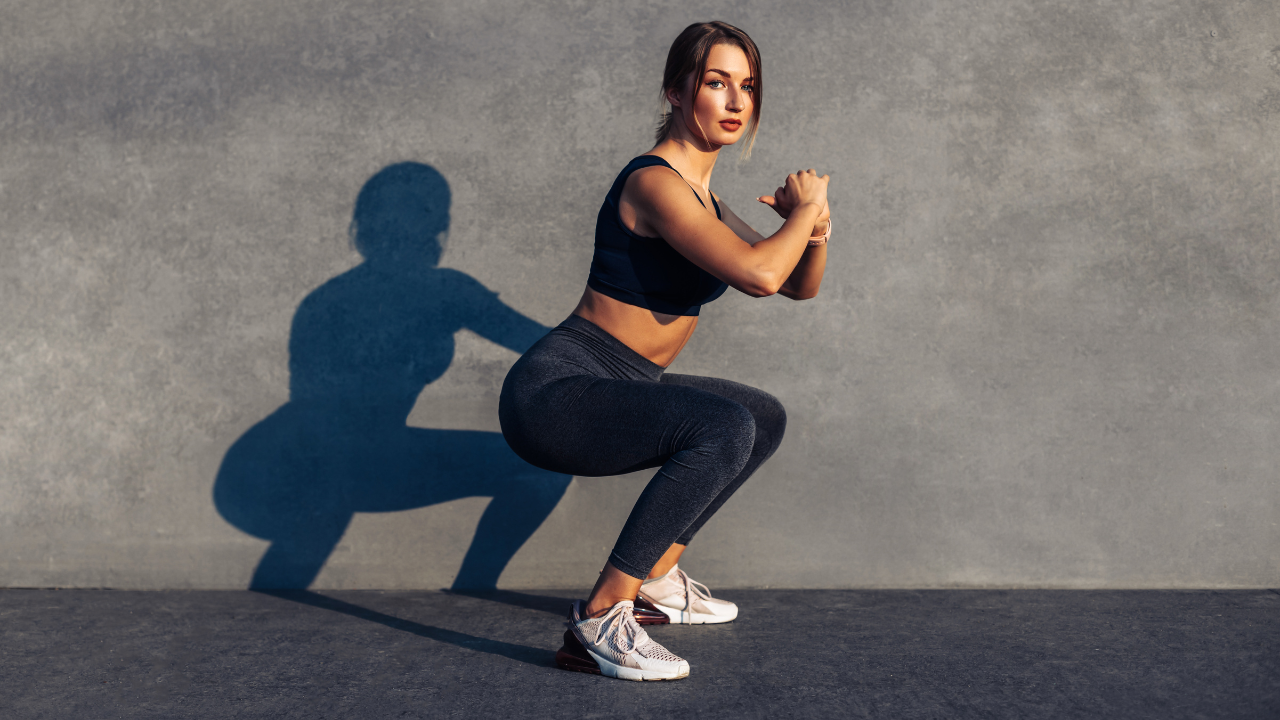
Squats
-
Stand with feet slightly wider than hip-width.
-
Lower your body as if sitting into a chair, keeping your chest up and knees tracking over toes.
-
Go as low as comfortable, aiming for thighs parallel to the floor.
-
Press through your heels to return to standing.
-
Do 8–15 repetitions.
Pelvic Tilts
-
Lie on your back with knees bent and feet flat.
-
Gently arch your lower back away from the floor, then flatten it by tilting your pelvis up.
-
Move slowly and with control, focusing on coordinating breath. Inhale to arch, exhale to flatten.
-
Repeat 10–15 times.
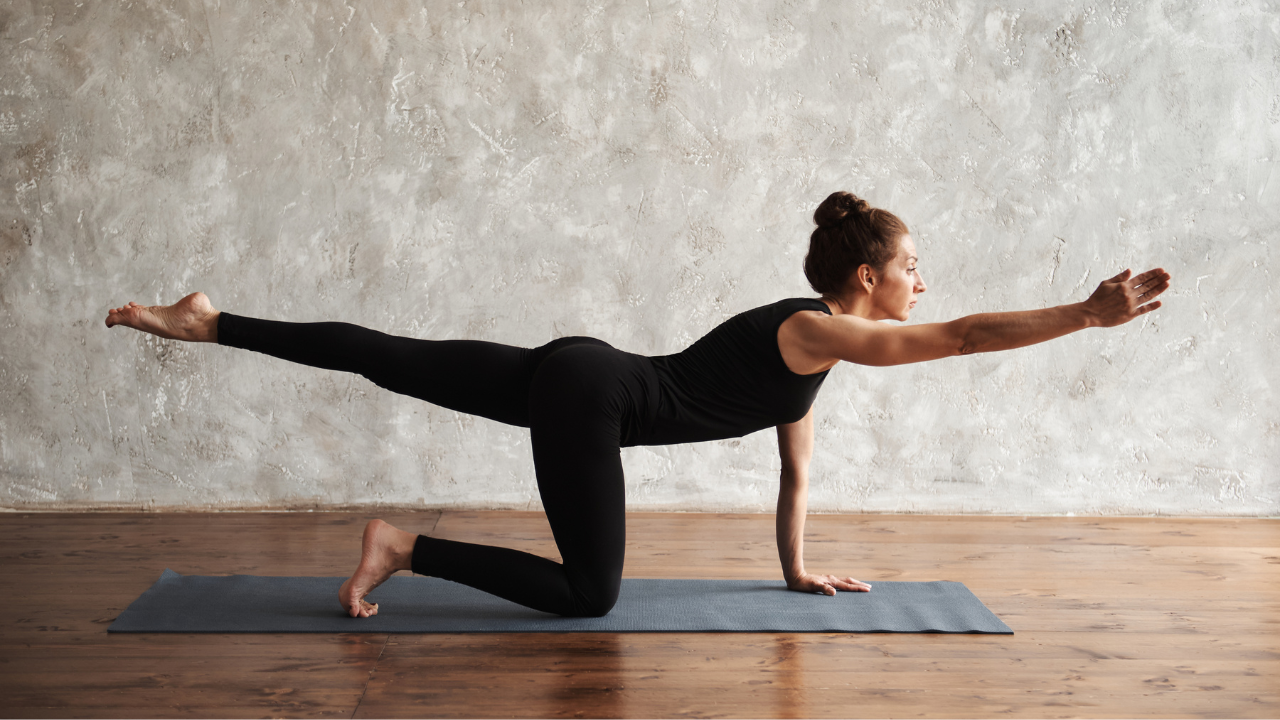
Bird Dog
-
Start on hands and knees, wrists under shoulders, knees under hips.
-
Extend one arm forward and the opposite leg back, keeping hips and shoulders level.
-
Hold for 5 seconds, then switch sides.
-
Repeat 8–12 times per side.
Diaphragmatic Breathing
-
Sit or lie comfortably, one hand on your belly and one on your chest.
-
Inhale deeply through your nose, letting your belly rise.
-
Exhale slowly, feeling your belly fall and pelvic floor gently release.
-
Continue for 1–2 minutes, focusing on smooth, even breaths.
Happy Baby Pose
-
Lie on your back and bring knees toward your chest.
-
Grab the outside edges of your feet with your hands.
-
Gently open your knees wider than your torso, bringing feet above knees.
-
Hold for 30–60 seconds, breathing deeply.
Tools That Can Help
Yoni Eggs
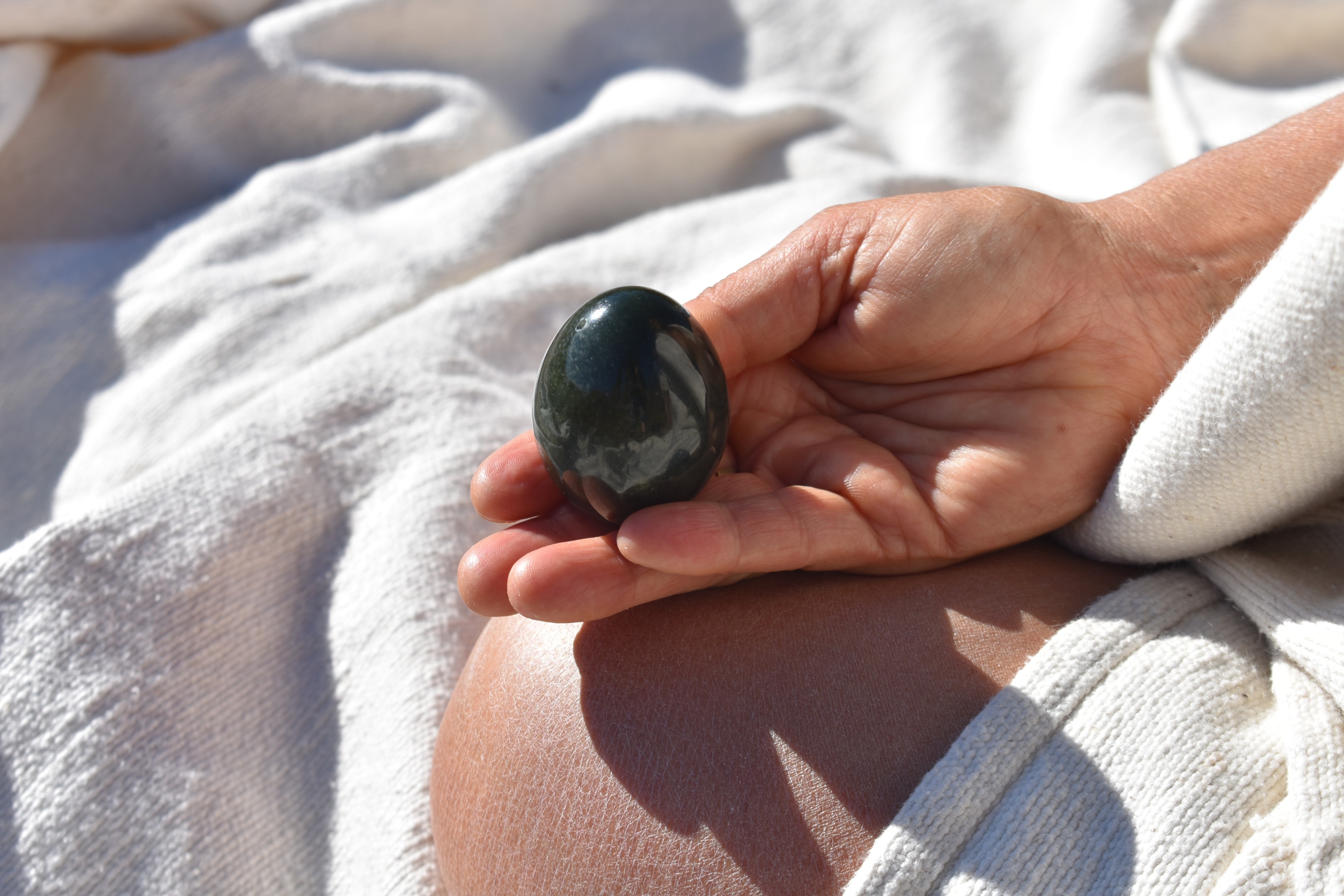
Yoni eggs nestle into the side walls, making direct contact with the deep hip-anchored muscles that often hold hidden tension or lack coordinated strength. These walls, especially the obturator internus and the fascia that lines the inner surface of the pelvis are key stabilizers for your hips, spine, and pelvic organs. When they tighten unevenly or lose tone, you can feel it as deep aching in the hips or a dull, heavy pressure in the pelvis.
When you place a yoni egg inside, its smooth, weighted surface provides a constant, steady point of feedback. You’ll feel where one side of the wall is hugging tightly while the other side seems barely to engage, or where certain positions suddenly bring awareness to an area you hadn’t noticed before.
For walls that over-grip, the egg becomes something to melt around. Guided by breath, you can focus on softening each side equally, letting the tissue relax outward while still feeling supported by the egg’s presence. For walls that have gone quiet, the gentle weight encourages them to wake up. Subtle, controlled movements such as slow hip circles or side-to-side pelvic tilts with the egg in place invite the walls to fire in balance with each other.
Crystal Wands

A crystal wand allows you to follow this contour from the vaginal entrance toward the inner sit bone and along the fascia that lines the pelvic inlet, reaching places that are nearly impossible to access otherwise.
The solid, smooth surface of the wand makes it easy to apply sustained, even pressure. As you slowly lean into a tight spot, you can feel the tissue soften beneath the wand, sometimes melting in minutes, other times releasing in waves. For areas of reduced sensation, the wand acts like a gentle stimulator, encouraging blood flow and nerve activity. You can move it in micro-circles to restore glide between the muscle and fascia, or sweep it lengthwise to help the tissue elongate and reorient.
Because a wand allows for intentional movement, it’s ideal for balancing the left and right pelvic walls. You might spend time releasing one side until it feels more symmetrical with the other, or work both sides in the same session to maintain even tone.
FAQ
What do they do during pelvic floor therapy?
In pelvic floor therapy and pelvic wall therapy, a physical therapist starts by reviewing your medical history and discussing your symptoms like urinary incontinence, pelvic pain, pelvic organ prolapse, pelvic floor dysfunction, or changes in sexual function. They assess your pelvic floor muscles, pelvic walls, and core muscles, checking for weakness, muscle spasms, scar tissue, or restricted connective tissue in the pelvic region.
Treatment often includes both internal and external therapy. External therapy may involve manual therapy, joint mobilization of the hips or sacroiliac joint, and release of tight fascia to improve pelvic floor function. Internal therapy is done inside the vagina, using gentle, gloved touch to work along the pubic bone, vaginal walls, and pelvic side walls, addressing specific muscles with tension, weakness, or reduced coordination. Many of these techniques can also be learned for self-therapy at home. With proper guidance, you can use tools such as crystal wands or yoni eggs to reach specific muscles, practice relaxation techniques, and release trigger points, allowing you to maintain results between professional sessions.
How do you strengthen your pelvic wall?
Strengthening your pelvic wall involves training the deep muscles that line the inner pelvis and stabilize your pelvic organs, the bladder, uterus, and rectum, while coordinating with your pelvic floor muscles. Unlike basic Kegel exercises, pelvic wall work focuses on balanced engagement of the left and right walls, full release between contractions, and integration with breathing and core muscles.
A physical therapist may create an individualized plan using pelvic floor exercises, modified squats, bridges, and hip rotation drills to strengthen pelvic floor muscles and walls evenly. In pelvic wall therapy, this is often paired with internal therapy to wake up underactive muscles or help overactive areas learn to release. You can also do this therapy yourself. At-home strengthening may include Kegel exercises done with breath coordination, gradually increasing resistance with tools, and increasing weight over time for progressive training.
Do they finger you in pelvic floor therapy?
In pelvic floor physical therapy, internal therapy sometimes involves the therapist using a gloved finger to assess and treat the pelvic floor muscles, pelvic walls, and surrounding connective tissue. This is a medical procedure, not sexual, and is performed only with your informed consent. The purpose is to locate trigger points, address muscle spasms, mobilize scar tissue, and improve pelvic floor function.
If you prefer not to have an internal exam, many treatment options, including external therapy, manual therapy on the outer pelvic area, and guided pelvic floor exercises, can still target specific muscles effectively. You can also do your own internal therapy at home, learning how to release tight spots and retrain coordination with the help of self-care tools.
Is pelvic floor physical therapy worth it?
Yes, both pelvic floor therapy and pelvic wall therapy are highly effective, non-surgical approaches to treat pelvic floor dysfunction and pelvic floor disorder. They can help with urinary incontinence, pelvic organ prolapse, overactive bladder, pelvic pain, interstitial cystitis, erectile dysfunction, long term constipation, and other pelvic floor issues.
A skilled physical therapist will create an individualized plan that might include internal and external therapy, pelvic floor exercises, manual therapy, lifestyle modifications, and strategies to keep bowel movements soft and complete. These therapies improve bladder control, restore strength and mobility to the pelvic muscles, and enhance overall pelvic health and well being. And yes, you can extend these benefits by doing self pelvic wall therapy and pelvic floor exercises at home.
