
Table of Contents ▾
Womb health is about the state of vitality and responsiveness of the uterus, the way she breathes and communicates through the rhythms of your cycle. Your womb affects fertility, digestion, libido, and even how you recover from stress. When she’s nourished and well-circulated, everything else in the body starts to regulate itself. She thrives on circulation, nutrient-rich blood, sensation, and warmth. Regular movement keeps her tissue flexible; and rest allows her to reset.
For women, the womb is a source of intution, and it stores memory. The uterus is a record of how you move through your life. Her state mirrors your inner pace, and when you learn to care for her she becomes the most reliable source of clarity and power you’ll ever have.
What is the Womb?
The womb sits low in the pelvis, held by ligaments and surrounded by the ovaries, fallopian tubes, and cervix, a network of tissue that breathes, stretches, and contracts with your every cycle.
Her outer wall is strong, built from layers of muscle that can hold life or release it. Inside, the endometrium thickens and sheds each month, responding to the rise and fall of hormones. This inner lining is where a fertilized egg would nest, and also where growths like fibroids or polyps can take root when the system is under strain.
The womb is a pear shaped organ, and is also about the same size, but that’s only an average. Her size and shape change through life. Some wombs tilt forward (anteverted), others rest back (retroverted). Her blood supply comes from the uterine and ovarian arteries, a rich circulation that keeps her tissue alive and responsive.
When blood flow is strong, cycles are smoother and fertility more stable. When it’s stagnant, she speaks through clots, cramps, or irregular bleeding. During menstruation, she sheds the old, and during pregnancy, she becomes a sacred container that nourishes life. During orgasm, her muscles contract in waves that ripple through your pelvis.
Womb Healing Methods
Yoni Steaming

Steam is one of the oldest ways to bring a womb back to life. When you sit over warm, herbal water, your whole pelvic bowl begins to breathe again. The heat widens the blood vessels, drawing circulation into the uterus and softening tissue that’s been holding too tightly.
That warmth increases oxygen delivery and helps the body release leftover blood or tension that can cause cramps and clotting. Various herbs can aid this process, like mugwort calms the uterine muscle and calendula soothes inflamed tissue.
Crystal Wands and Yoni Eggs

The cervix and vaginal canal are full of memory. They tense up in response to pain or things that went unsaid. A crystal wand or yoni egg can be used to press into areas that have become guarded, reawakening the fine web of nerves that connect the vagina to the uterus.
As circulation increases, those small, forgotten muscles begin to fire again. The pelvic floor learns to release instead of grip, and blood moves more freely.
Massage and Bodywork
The uterus moves slightly with every breath. But over the years, she can become restricted. Womb massage uses gentle, rhythmic pressure to remind her how to move again. When you massage the lower belly you’re mobilizing the ligaments that suspend the uterus.
The results are fewer cramps, less bloating, lighter cycles, and sometimes even improved fertility as the uterine lining becomes better oxygenated. On a deeper level, the body starts to release emotions that can store themselves in the body and womb, such as through somatic body massage.
Ritual and Self-Intimacy
Calming your nervous system and entering a relaxed state where you are present to the sensations and shifts of your body can help the womb enter a state of release instead of restriction. This kind of presence sends a signal through the vagus nerve, telling your whole system it can rest. Hormones shift accordingly, as the body’s chemistry literally changes when it feels safe.
Womb work, womb connection practices, speaking to her, or exploring self-pleasure so that you invite more pleasurable sensation and experiences into your womb are all ways to strengthen the connection to your womb's voice. The womb is an intuitive space that can be listened to and accessed as a source of intuition and guidance, but you need to know how to hear her.
Womb Wisdom & How To Listen To Your Wombs Voice

(This is a lesson taken from the Womb Wisdom module in Viva La Vagina 2.0 online membership for women.)
It is much easier to achieve glowing womb health when you can connect with your womb and hear what she is saying. My womb's language comes through deep waves, a rising or softening inside my belly that speaks of alignment. When I need direction I go to her.
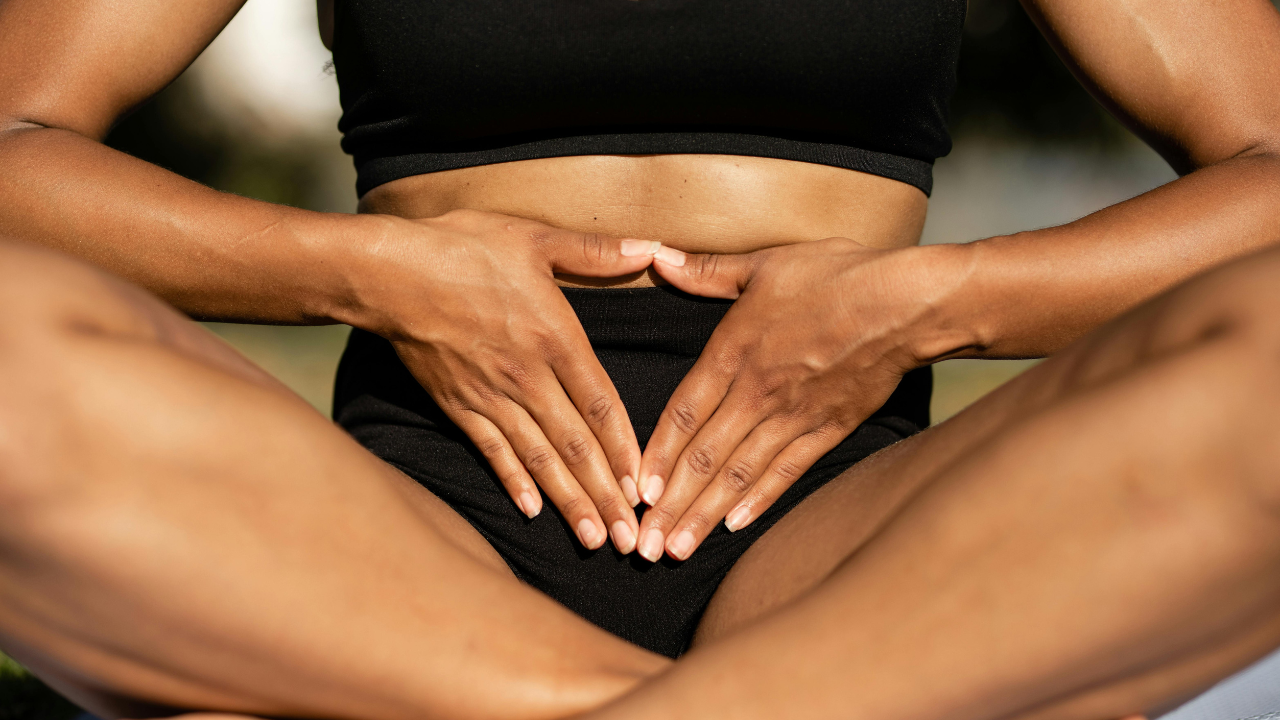
To listen, I place one hand over my womb and breathe low into my belly. Then I ask a simple question: What is yes? I wait until sensation answers. Sometimes it’s warmth, a gentle expansion, a quiet lifting inside. Then I ask, What is no? and feel the opposite, a drawing inward, a subtle closing, a stillness. Over time, these signals become clear, physical markers of inner guidance.
If the response is muddy, if there’s no clear yes or no, I take that as information too. It means the field isn’t ready, that my body needs more time, or that I’m not fully willing to hear what she’s already saying. The womb never lies, but she also never rushes.
For many women, her voice is hard to hear because the space itself is crowded, full of old emotion, tension, and memory. The womb and cervix are designed to receive, and they hold the imprint of every experience, every person, every moment we’ve allowed in. Without clearing, these residues blur our sensitivity.
That’s why I believe practices like yoni steaming and wand work matter. They’re forms of maintenance that help the womb reset her field so she can speak clearly again.
The best time to listen is often the simplest, just after waking, before thought returns. One hand on your belly, one slow breath, and a question that matters. The body will always tell the truth if you give it space to answer.
Risk Factors That Affect Womb & Reproductive Health
-
Genetic Memory: Some womb patterns begin long before we’re born. If the women before you experienced womb issues, those genetic tendencies may pass on through your DNA. But lifestyle and nutrition can rewrite these patterns.
-
Age and Transitions: By the mid-thirties, egg quality and hormone rhythm naturally shift. Estrogen and progesterone fluctuate more sharply, often leading to heavier or shorter menstrual cycles. After menopause, the uterine tissue thins and blood flow slows, which can create dryness and stiffness in the pelvis.
-
Hormonal Interference: Long-term use of birth control pills, IUDs, or synthetic hormones can suppress the natural communication between your brain, ovaries, and uterus. Procedures like endometrial ablation or frequent hormonal treatments may also alter blood flow, making cramps or heavy or painful periods more likely.
-
Modern Living: The womb thrives on movement. Sitting for long hours compresses pelvic arteries and limits oxygen supply to the uterus, leading to congestion and inflammation. Caffeine constricts blood vessels, while excess alcohol burdens the liver, slowing hormone clearance and contributing to estrogen build-up.
-
Body Weight and Blood Quality: Adipose tissue (body fat) produces estrogen. When there’s too much, levels rise, feeding fibroid growth and causing heavy bleeding. On the other hand, undernourishment or restrictive eating can reduce iron and protein, thinning the uterine lining and suppressing ovulation. So maintaining a healthy weight is important for your wombs health.
-
Nutrient Depletion: The womb draws directly from your nutritional reserves. Low iron causes fatigue and pale, scanty bleeding; vitamin D deficiency disrupts hormone balance and weakens the immune defense of the uterine cavity. When the body doesn’t have what it needs, the uterus takes the hit first.
-
Stress and Sleeplessness: Chronic stress raises cortisol, which suppresses reproductive hormones. The body reroutes energy toward survival, often resulting in missed periods, infertility, or dryness. Over time, the pelvic floor muscles tense, restricting blood flow and making painful sex or pelvic pain more likely.
-
Old Wounds and Medical History: After surgery, infection, or childbirth, scar tissue can form adhesions that pull on the uterine wall or fallopian tubes, restricting movement and blood flow. These adhesions can lead to pelvic pain or fertility issues.
-
Emotional Weight: The pelvis holds emotional contraction as muscle tension. Stress hormones and suppressed emotion create measurable changes in pelvic blood flow, often leading to chronic tightness or period pain. The vagus nerve connects your emotional state to your uterus, when you repress anger or fear, the uterus literally contracts in response.
Conclusion
Your womb is the quiet container of your entire system, influencing your hormones, mood, digestion, creativity, and capacity for pleasure. Every stage of life passes through her, the fertile years, the bleed, the pregnancy, the stillness of menopause. When she’s well, everything else steadies. When she’s burdened, the whole body feels it.
Womb health is a form of accountability to your nourishment and your truth. What you eat, how you move, what you say yes or no to, it all lands here. Proactive care means tending before a crisis through feeding her with good food and releasing what she’s held through touch, movement, sound, and ritual. When she is healthy and happy, she can be one of your strongest sources of power and guidance as a woman.
FAQ
Circulation is the wombs cleansing system. When blood moves freely through the uterine cavity and pelvis, the body naturally clears old tissue after each menstrual cycle, keeping her environment stable and strong. You support that rhythm through regular exercise, hydration, and a balanced diet rich in minerals and vitamin D. Iron keeps her blood supply rich; omega-3s keep her tissue supple. Limiting processed food and red meat reduces inflammation that can feed uterine fibroids or trigger painful periods.
Gentle practices like yoni steaming or abdominal massage help increase warmth and flow. If you’ve had surgery, endometrial ablation, or long-term use of birth control pills, schedule regular health care check-ins. A doctor familiar with women’s health can monitor hormonal balance and tissue repair so your womb stays responsive through every reproductive age stage.
The first signs of womb problems are heavier bleeding, pelvic pain, or frequent urination that hints at pelvic pressure from swelling or fibroids. You might notice irregular periods, cramping that feels deeper than usual, or pain during sex that makes your body close instead of open. These common symptoms show up when blood flow slows or the endometrium becomes inflamed.
Your womb speaks through rhythm. A cycle that shortens or fatigue that deepens around your bleed are her ways of asking for rest or medical attention. Listening early prevents escalation into larger health problems like infection, infertility, or even cancer.
A healthy uterus plays in rhythm with your whole body. Her tissue is well-oxygenated, her blood supply steady, and her cycle consistent, neither too heavy nor too light. Periods come and go smoothly, with minimal discomfort. During pregnancy, the uterus grows in perfect proportion, expanding through the woman’s pelvis to hold the unborn baby. After birth, she contracts back with strength and elasticity. In daily life, you’ll feel that steadiness as balanced hormones, a clear libido, and emotional ease through each menstrual cycle. Your skin, energy, and digestion will often mirror what’s happening in your womb. When she’s in rhythm, everything else aligns.
When the uterine cavity or endometrium has been disturbed by infection, trauma, or surgery, the body often sends clear signals of damage through irregular periods, sharp pelvic pain, spotting after sex, or fertility issues such as difficulty conceiving. Scar tissue can form along the fallopian tubes or cervix, restricting movement and blocking implantation of a fetus.
Long-term hormonal suppression through birth control pills or tissue removal from endometrial ablation can thin the uterine lining, affecting how the baby grows in future pregnancies. Imaging with sound waves can reveal growths, fibroids, or adhesions before they cause deeper complications.
Certain risk factors increase the risk of uterine disease, like an age over 35, family history of fibroids or breast cancer, high estrogen exposure, diabetes, obesity, or chronic stress. Deficiency in vitamin D and iron weakens the muscular wall, slowing blood flow and making the womb more prone to inflammation.
But the womb is also responsive, she heals quickly when given support. Regular exercise, nutrient-dense food, rest, and emotional release restore her balance. Unresolved stress and exhaustion constrict her blood vessels; relaxation and breath reopen them. The womb thrives on warmth, honesty, and attention. When you listen to her signals you prevent health problems before they form.
