

Table of Contents ▾
Yoni is a Sanskrit word most often translated as womb or vagina. In the oldest texts, it is the origin, the sacred source, the dwelling place of creation. The yoni names the passage every human crosses at birth, and also the mystery of how matter takes form, how spirit enters flesh.
In Hindu philosophy, the yoni is paired with the lingam, the pillar. This union is the very principle by which life emerges. To understand yoni is to understand creation itself as a meeting of forces, one that is profoundly divine.
For women, the yoni is a site of blood, of birth, of pleasure, of cycles that carry the imprint of moon and time. It is the threshold of life and the core of feminine power. When cultures have honored the yoni, women’s bodies were seen as sacred vessels of creation. When cultures have shamed it, women have been severed from their own source of vitality.
Reclaiming the yoni as sacred today means seeing the vulva, the womb, and the vagina as a temple of life. It is here that birth takes place, that orgasm moves through the body, that blood reminds us of cyclical wisdom. To call the yoni sacred is to return to the truth that every one of us was carried and born through her.
What is a Yoni & Meaning of The Sanskrit Word

The word yoni names the female reproductive organs, the vulva, vagina, cervix, uterus, and ovaries. It refers to the visible folds of the sensitive skin of the vulva, the muscular canal that receives, the cervix that opens in birth, and the womb that carries potential into life.
Symbolically, the yoni is the divine womb. Ancient texts and oral traditions describe it as the source of all manifestation, the fertile ground from which worlds emerge. It has been likened to Mother Earth herself, the dark, hidden chamber that receives seed, holds it in mystery, and releases new life into form. To say yoni is to point to the generative principle of existence, that what receives, gestates, and births.
Energetically, the yoni is considered the seat of Shakti, the life force. This is where sexuality and creativity converge. In Tantra, it is also the portal for spiritual power, carrying the same force that can birth a child, an orgasm, or a vision.
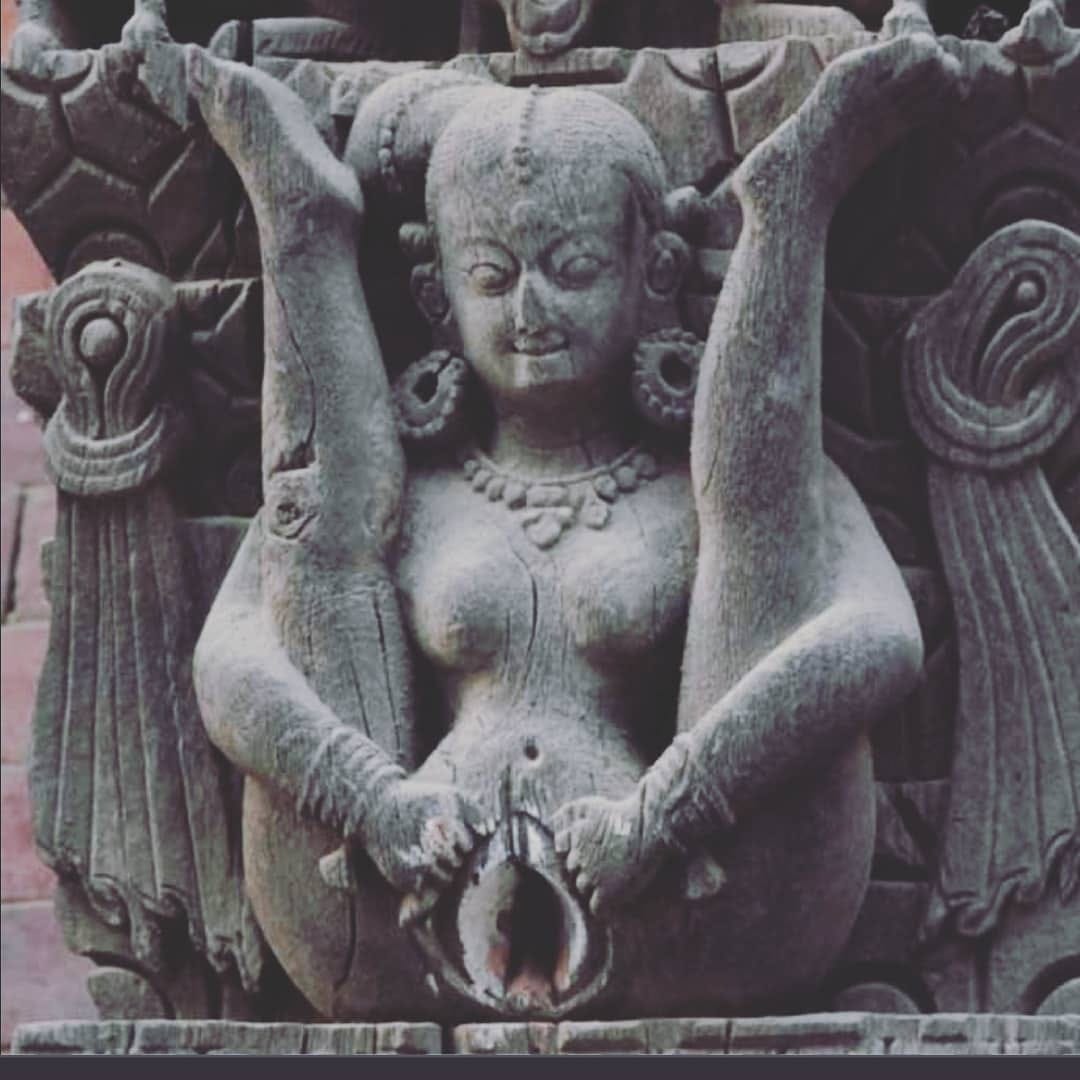
In Hindu temple architecture, such as at the ancient Khajuraho temples, the yoni was carved in stone as a portal of worship.
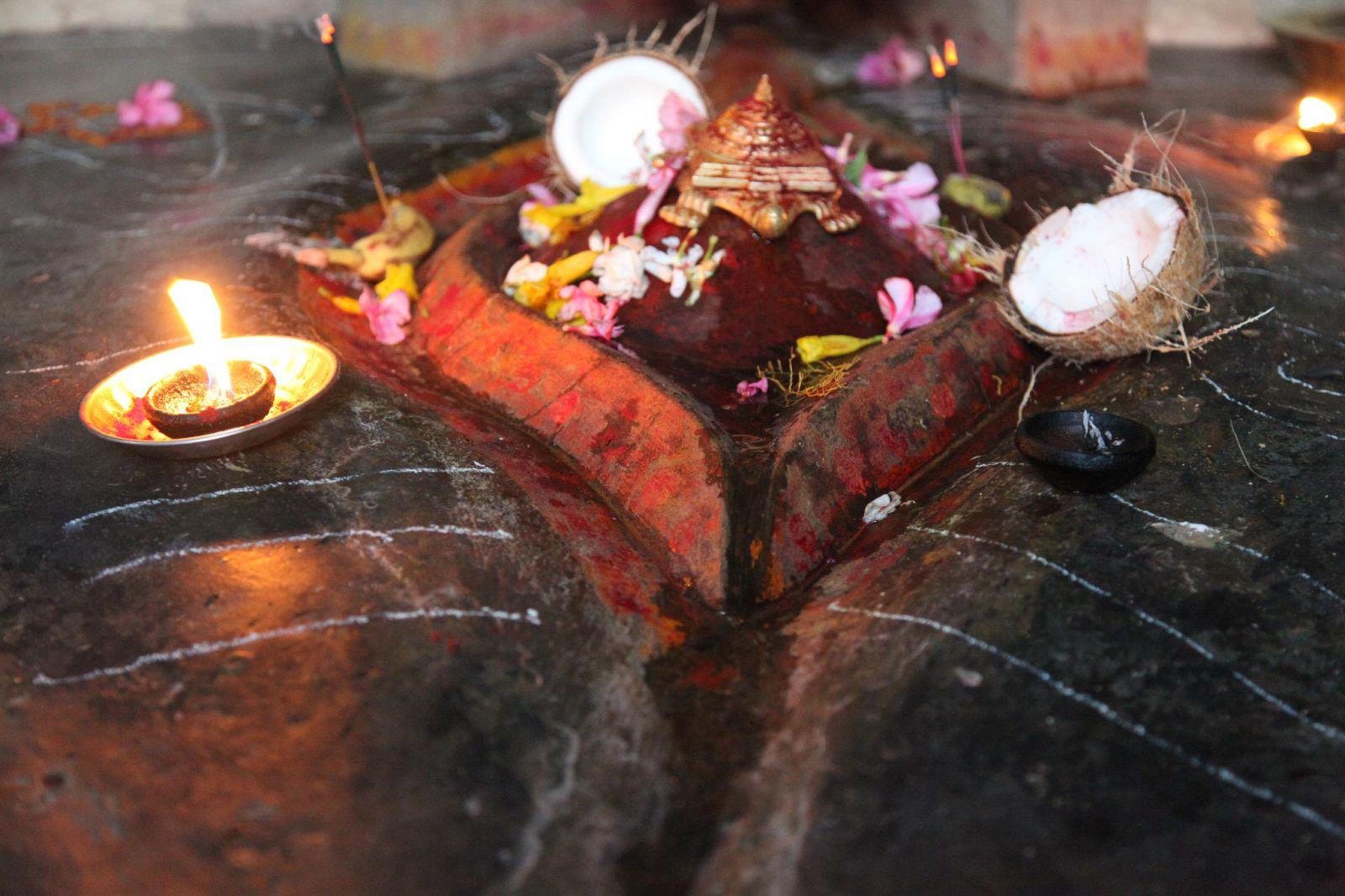
Shrines such as those at Kamakhya in Assam or in countless South Indian temples depict the yoni-lingam union as the central altar with a literal vulva carved into the sanctum, often anointed with water or milk.
Why is The Yoni Sacred?
The yoni is sacred because it is the passage of birth. Every human body, whether emperor or peasant, whether in ancient times or today, has moved through it. The yoni is the doorway between non-existence and life. Humanity itself is carried forward through her.
Cultures have long seen it as a divine emblem of fertility and renewal. The yoni is also sacred in how it gathers many layers of meaning across a woman’s life. As a site of sexuality, it carries nerve endings that can bring waves of pleasure strong enough to alter consciousness.
As a site of motherhood, it carries the imprint of transformation, the womb that expands to cradle new life, then contracts with primal force to bring it forth. Within it resides the capacity to hold and release. The womb becomes a chamber, a place where life and spirit are cradled in darkness until the moment they take form.
It is the seat of cries of pain and moans of ecstasy. To reclaim the yoni as sacred is to remember that it is the divines most immediate expression.
The Sacred Yoni, The Divine Feminine, and Womb Healing

The womb is sacred because it is the original source of human life. Every person begins here and is carried in its dark enclosure until the moment of birth. The yoni is sacred because it is the passage through which that life enters the world. Together, womb and yoni form a complete cycle of creation.
The womb bleeds each month in preparation for renewal, while the yoni releases and receives. Blood, ovulation, and orgasm are the markers of a body designed to carry creation and pleasure in the same space. They are also sacred because they hold memory. The womb records experiences and emotions while the yoni carries the imprint of touch and pleasure.
Womb healing cannot be separated from honoring the yoni, they are two parts of the same whole. The womb is the inner chamber where life is held and nourished, while the yoni is the threshold through which life enters the world. Together they represent origin, continuity, and renewal. To honor them is to remember that sexuality and spirit are inseparable aspects of the sacred feminine body.
How To Honor the Sacred Yoni

Yoni Massage: Yoni massage is the practice of offering touch to the vulva and vagina with no goal beyond presence. What makes it sacred is the shift in intention. Instead of the yoni being rushed toward penetration or climax, she is held and listened to. This is honoring because it restores dignity , showing the yoni she is worthy of patient attention.
Womb Healing Rituals: Womb rituals invite women to honor the womb as a sacred space where cycles of creation, renewal, and release unfold. In ancient times, women gathered in red tents during menstruation. To pause during bleeding and allow the body to rest is itself an act of reverence in a culture that demands constant productivity. Free bleeding is an example of a ritual that reclaims menstrual blood as sacred offering rather than waste.
Yoni Mapping: Yoni mapping means exploring the inner landscape of the vagina slowly and consciously, noticing where there is tenderness, numbness, or delight. This practice honors the sacred yoni by giving her voice. Every part of her is allowed to speak.
Yoni Eggs: In ancient times, women in China used yoni eggs to honor their yoni and maintain vitality. Inserting a carved stone into the womb’s threshold was a way of acknowledging the yoni as a sacred space, worthy of devotion. They bring attention inward and their presence encourages women to slow down and reconnect with the womb and yoni.
Crystal wands for Self-Pleasure: Crystal wands offer another way to honor the yoni through conscious pleasure. When a woman explores herself with a crystal wand, she does so on her own terms. Pleasure becomes slower and more connected to her body’s natural rhythms. In this way, the wand is a key to healing, soothing tender places and reminding the nervous system that pleasure is safe.
Ritual Practices: Ritual practices honor the yoni because they place her rhythms within something larger than the individual body. Steaming with herbs, called yoni steaming, is an example ritual practice that acknowledges that the womb deserves care and cleansing the way a temple does.
Sacred Yoni Art & Imagery: Sacred art honors the yoni by bringing her into the visible realm. For centuries, vulvas were erased or hidden, reduced to symbols of shame. Placing sculptures, carvings, or paintings of the yoni in homes and temples restores her status as a sacred symbol.
Honoring Your Sacred Yoni Every Day

In Viva La Vagina™ 2.0 online membership for women, you can access dozens of practices that revere the yoni as sacred.
You’ll explore yoni massage, which helps release guarding and awakens sensation so touch feels safe and pleasurable again. You’ll be guided through womb healing rituals that honor menstruation, fertility, birth, and loss as powerful passages instead of hidden events. And you’ll receive varioud sacred sexuality teachings that teach you how to honor your yoni with reverence.
This membership will show you how to live with your yoni as sacred and how you can carry this sacredness into your daily life.
FAQ
A sacred yoni refers to the recognition of the yoni, the Sanskrit word for womb, vulva, and vagina as a divine symbol and sacred space. In ancient times, Hindu temples carved the yoni around a fire pit as a place of worship, seeing it as the origin of creation and the seat of Shakti, the divine feminine. The sacred yoni is not only about reproductive organs or the female sexual anatomy; it represents the larger sense of feminine life-creating regenerative power.
The power of the yoni lies in its many layers. On the physical level, the yoni and womb are procreative organs, holding the reproductive system that makes birth possible. On the symbolic level, the sacredness of the yoni connects women to Mother Earth and to cycles of life, death, and renewal. In traditions of Tantra, the yoni is honored as a temple, a place where sexuality and spirit meet. This power can be reclaimed today through ritual, self love, and practices that soothe and nourish the body. The yoni also has power as memory as it it records trauma and pain, but also carries the gift of pleasure, creativity, and the magic of Shakti.
In slang, the term yoni is often used as a softer or more reverent way to speak about the vagina or vulva. While the word yoni comes from Sanskrit and has sacredness in religion and culture, modern usage has expanded. Some women use it to reclaim their sexuality and body with honor, choosing “yoni” instead of clinical terms like vagina. Others use it in everyday slang to normalize talking about female sexual health, fertility, and even self love rituals. Still, it is important to remember that the word yoni originally carried deep sacred meaning, linking reproductive organs to divine feminine energy, temple symbols, and the goddess.
The sacred symbol of the yoni appears most clearly in Hindu temples, where the yoni is carved around the lingam. The base, shaped like a vulva, represents the womb and the feminine life-creating regenerative power, while the lingam represents the masculine pillar. Together they are worshipped as the fire pit and flame, a divine symbol of creation and origin. Beyond stone carvings, the yoni has been honored through art, rituals with herbs and oil, and symbols of Mother Earth herself. In culture today, the sacred yoni is still used as a key emblem of fertility, creativity, and the goddess. It remains a reminder that women’s bodies are not only reproductive systems but also sacred spaces of magic, energy, and spirit that nourish the world with life.
