
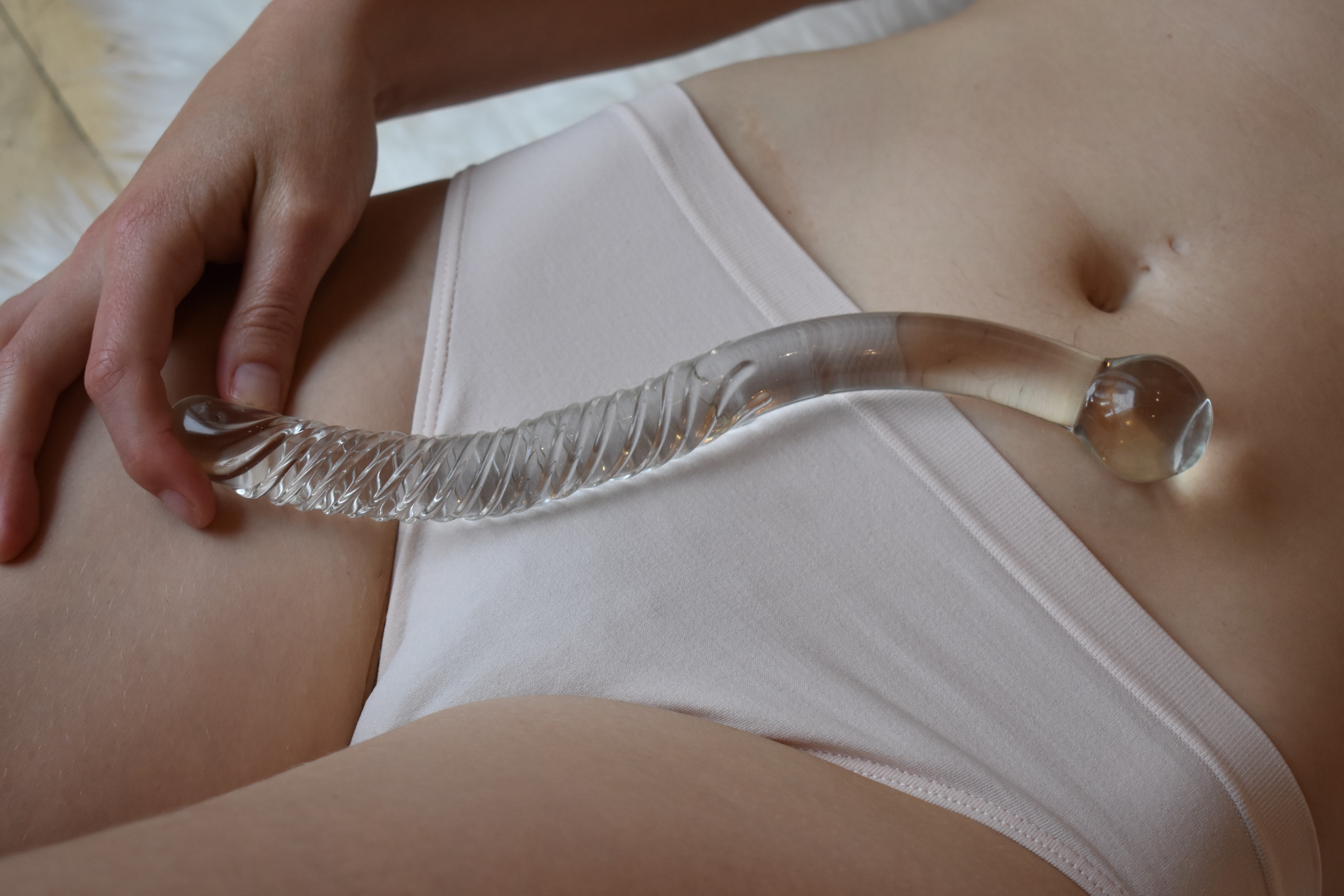
Table of Contents ▾
Using a pelvic massager is becoming more popular, as many people are starting to discover the real benefits of massaging the pelvic area either externally, or internally. A pelvic massager allows you to apply targeted, controlled pressure to areas of tension or scar tissue that are difficult to reach with your hands.
The tool can be positioned at precise angles inside the pelvic floor to release trigger points and stretch tight muscle fibers. This helps the tissue regain flexibility and responsiveness, while also retraining the muscles to contract and relax normally.
In this article we will talk about our different types of pelvic wands, and how to use them to get the most out of your practise.
What Is the Pelvic Floor?
The pelvic floor is a living, muscular bowl, suspended inside your pelvis, with its rim anchored to the pubic bone in the front, the tailbone in the back, and the two sit bones on either side. The muscles curve upward, creating a hammock that cradles your bladder, uterus or prostate, and rectum.
Because this “bowl” is the foundation for so much of your bodily functions, it also tends to be where unresolved experiences are stored. The pelvic floor reacts to life. Over time, it can hold the residue of fear and shame alongside the tension from physical strain.
What Is Pelvic Floor Massage?
Pelvic floor massage is deliberate, slow manual contact with the muscles that line the base of your pelvis. This massage can be done by a pelvic physical therapist, or you can do this as a self massage. It is done either from the outside, around the perineum and inner thighs, or internally, through the vagina or rectum. The aim is to listen through touch, applying pressure where the muscle is dense, ropy, or reactive until it softens and lengthens.
Benefits of Pelvic Floor Massage
-
Releases Muscles That Stay Braced: After years of guarding pelvic floor muscles can remain in a semi-contracted state all day. This creates constant pressure on nerves and blood vessels. A pelvic massager lets you get right to the spots your hands can’t reach, hold steady pressure, and wait for that subtle shift when the muscle finally stops clenching. Once the tissue yields, it’s easier to contract when you need strength and fully let go when you need release.
-
Restores Healthy Blood Flow: When the pelvic floor is tight, circulation is pinched off. Less blood means slower healing and lower arousal. Working a pelvic wand along the muscle walls stimulates blood vessels to open and send a rush of oxygen-rich blood into the area.
-
Softens Restrictive Scar Tissue: Tears inside the pelvic area often heal with collagen that’s stiff and uneven. These adhesions glue muscle layers together, causing tugging or sharp pain when you move. A pelvic massager can be angled to press across the grain of that scar, slowly coaxing the fibers apart. Over time, this restores glide between layers so the tissue can stretch without tearing again.
-
Turns Off Pain Signals at the Source: Deep in the pelvic wall, tiny trigger points can send pain all over the pelvic area. Because they’re hidden, they often get misdiagnosed. A pelvic wand can locate these “knots,” apply tolerable pressure, and keep it there until the muscle relaxes and the nerve stops firing constant danger messages.
-
Improves Bladder and Bowel Control: The pelvic floor needs to fully relax to empty your bladder or bowels, and contract firmly to keep everything in. Massage helps retrain the muscle to drop and open for urination or a bowel movement, and then bounce back to a strong, supportive hold.
-
Increases Sexual Sensation and Arousal: Good sex depends on responsive muscles and clear nerve signaling. If the pelvic floor is tense or scarred, it can block engorgement and dampen pleasure. By improving circulation, massage primes the tissue to swell and transmit sensation, leading to stronger orgasms.
-
Supports Recovery After Birth: Postpartum, the pelvic floor may feel swollen weak. Massage can help bring sensation back to areas that feel numb or tender.
-
Balances Overactive and Underactive Areas: Pelvic floor dysfunction isn’t always about weakness, sometimes certain muscles grip while others switch off. A pelvic massager helps you find these imbalances and work on each area individually, releasing the overactive parts and waking up the ones that have gone dormant.
-
Releases Stiffness from Long Hours Sitting: Modern day lifestyles can pull the tailbone under and keep the pelvic outlet compressed for hours. Massage lengthens those shortened fibers and makes it easier to sit or stand without discomfort.
-
Calms a Tense Nervous System: The pelvic floor mirrors your stress level. When you’re on high alert, the muscles tighten to guard your core. Sustained, gentle pressure with a wand signals safety to your nervous system, allowing that guarded tension to drop.
Tools for Pelvic Massage
Amrita Wand™ - Curved G-Spot & P-Spot Activation with Deep Tissue Release

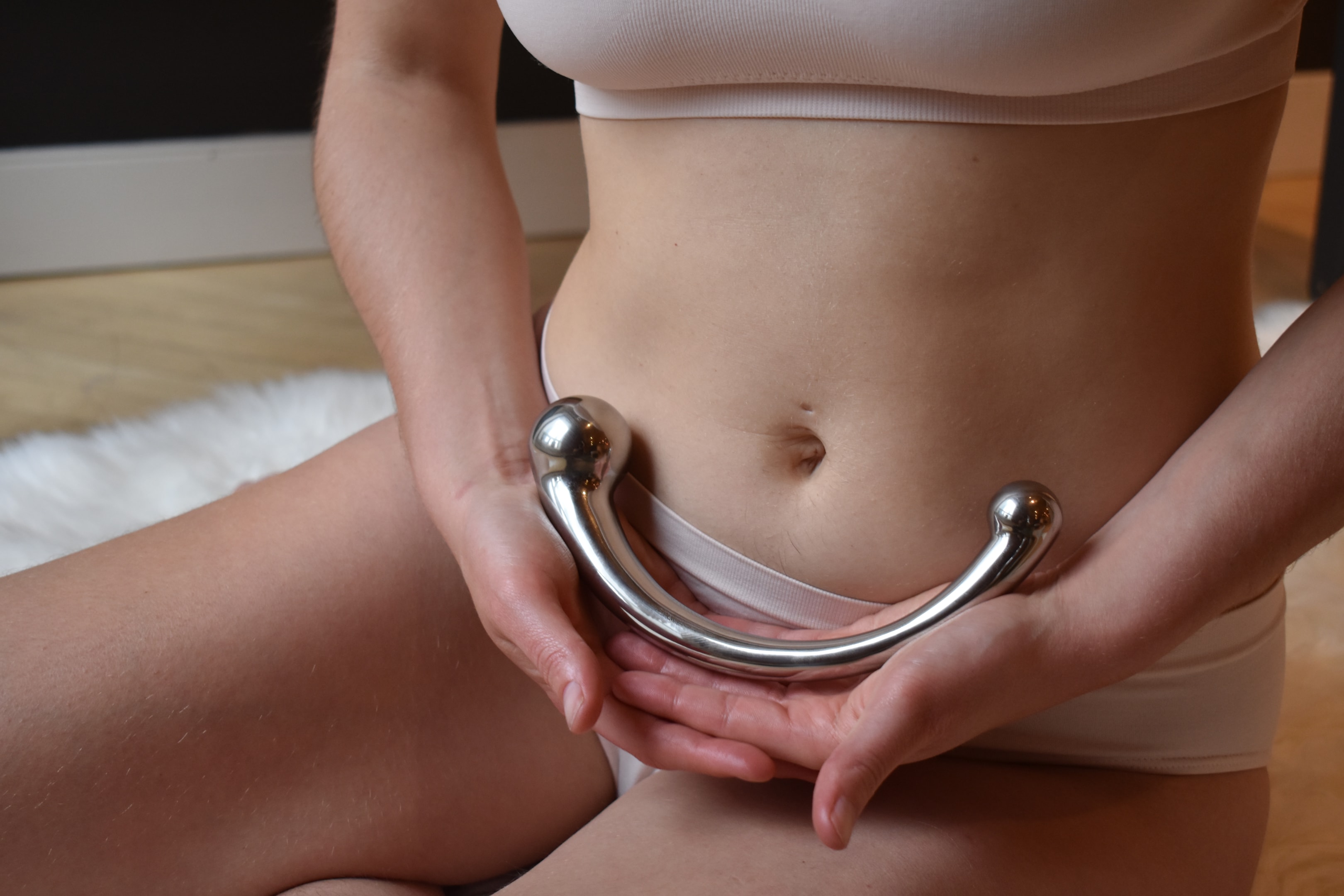
The Amrita Wand® was designed to “hook in” and awaken the dense bundle of nerve endings along the G-spot (or P-spot). Its bulbous end and angled shaft allow you to press upward into the anterior vaginal wall without straining your hand.
That curve also makes it easier to sustain pressure on the deeper muscle fibers of the pubococcygeus and puborectalis, the same bands that can tighten after childbirth or chronic pelvic guarding. In experienced hands, the Amrita Wand™ can also be rotated toward the cervix for deeper activation or angled down for internal trigger point release in the lower vaginal walls.
Cervix Wand - Long, Slim, and Built for Precision Reach
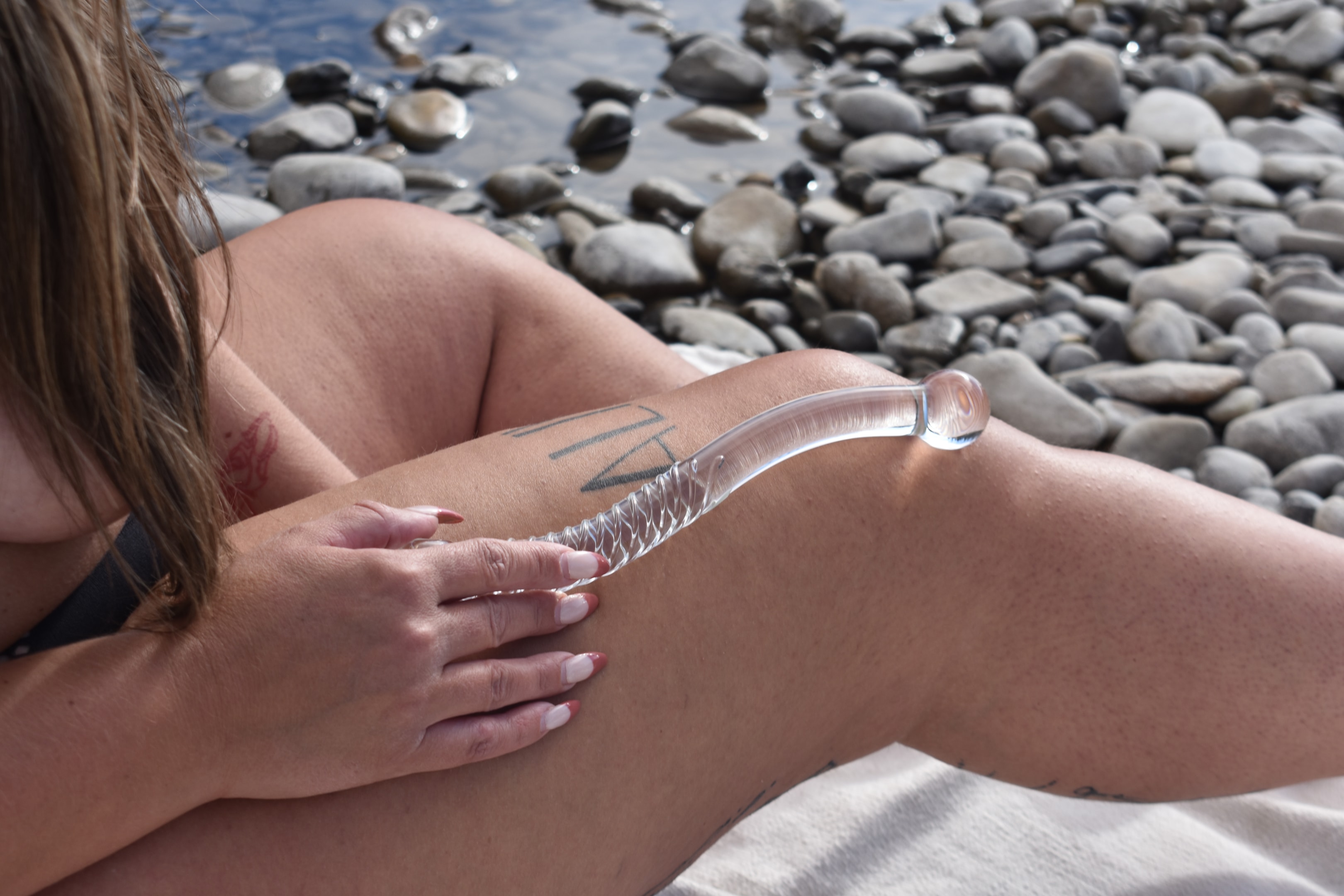
The Cervix Wand™ is crafted from glass or high-vibration crystals like Rose Quartz, Nephrite Jade, Black Obsidian, or Indian Jade. Its slim shaft and elongated length are ideal for accessing the upper vaginal canal without overstretching the entrance. The cervix is tethered via fascial and ligament pathways to the uterus, bladder, and even the diaphragm, so deep stimulation here can release holding patterns that radiate far beyond the pelvis.
When used slowly, with sustained rests against the cervical rim, this wand encourages both muscular release and a parasympathetic drop, a nervous system shift that makes deep pleasure or emotional release more accessible.
Venus Wand - Dual-Ended Versatility for Trigger Points
The Venus Wand® offers two distinctly shaped ends, giving you the option to pinpoint dense, ropy muscle fibers with the tapered tip or melt broad, tense areas with the rounded bulb. The pointed end excels in pressure-point work, especially along the lateral vaginal walls where the obturator internus and iliococcygeus can lock up from hip instability or chronic constipation.
The rounded end works like a myofascial release ball, making it ideal for spreading pressure over scar tissue or coaxing whole muscle groups into lengthening. Alternating between ends in one session allows you to methodically soften tight bands before inviting in broader, nourishing strokes that restore fluid movement.
Curved Wand - Multi-Zone Release for Internal & External Work
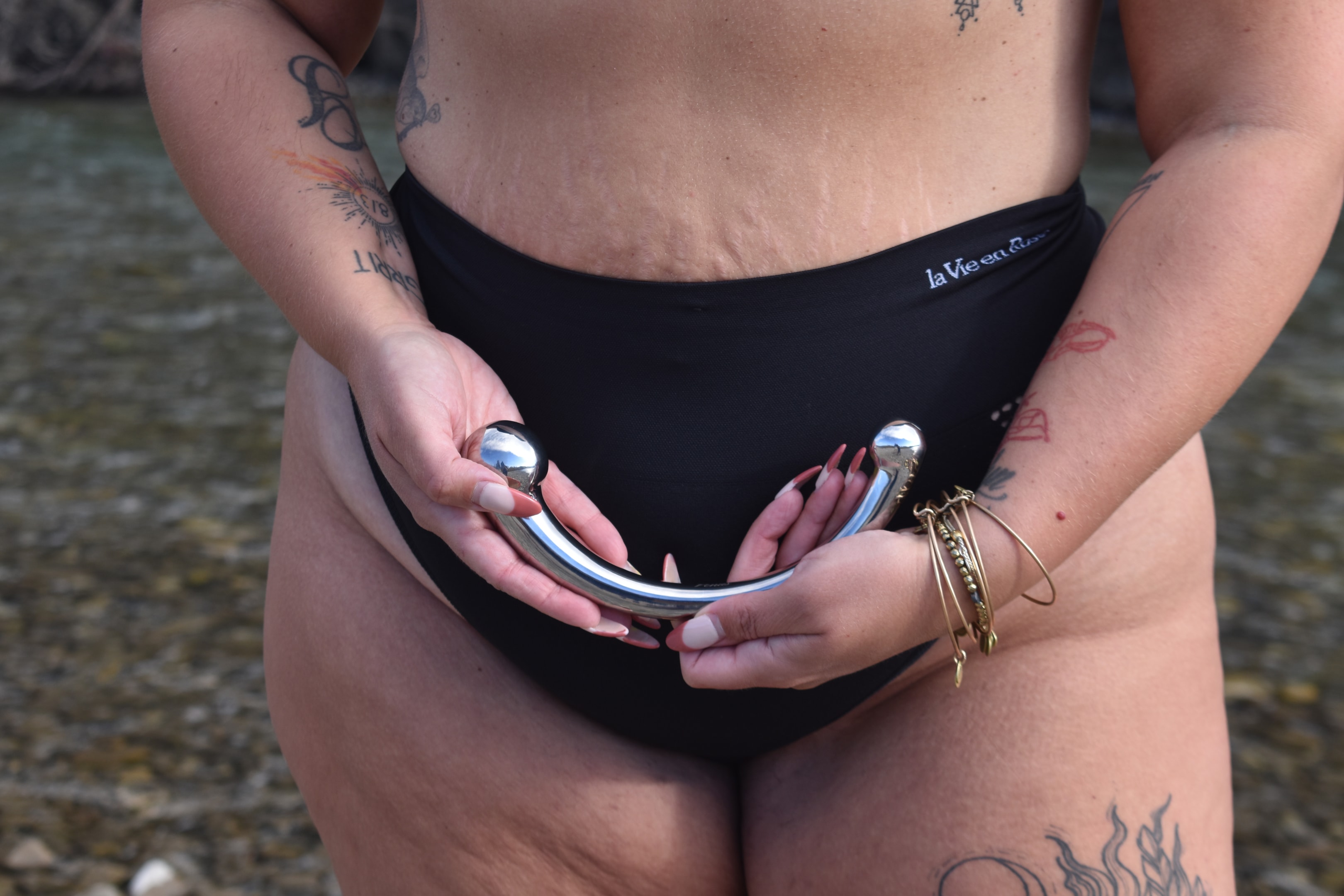
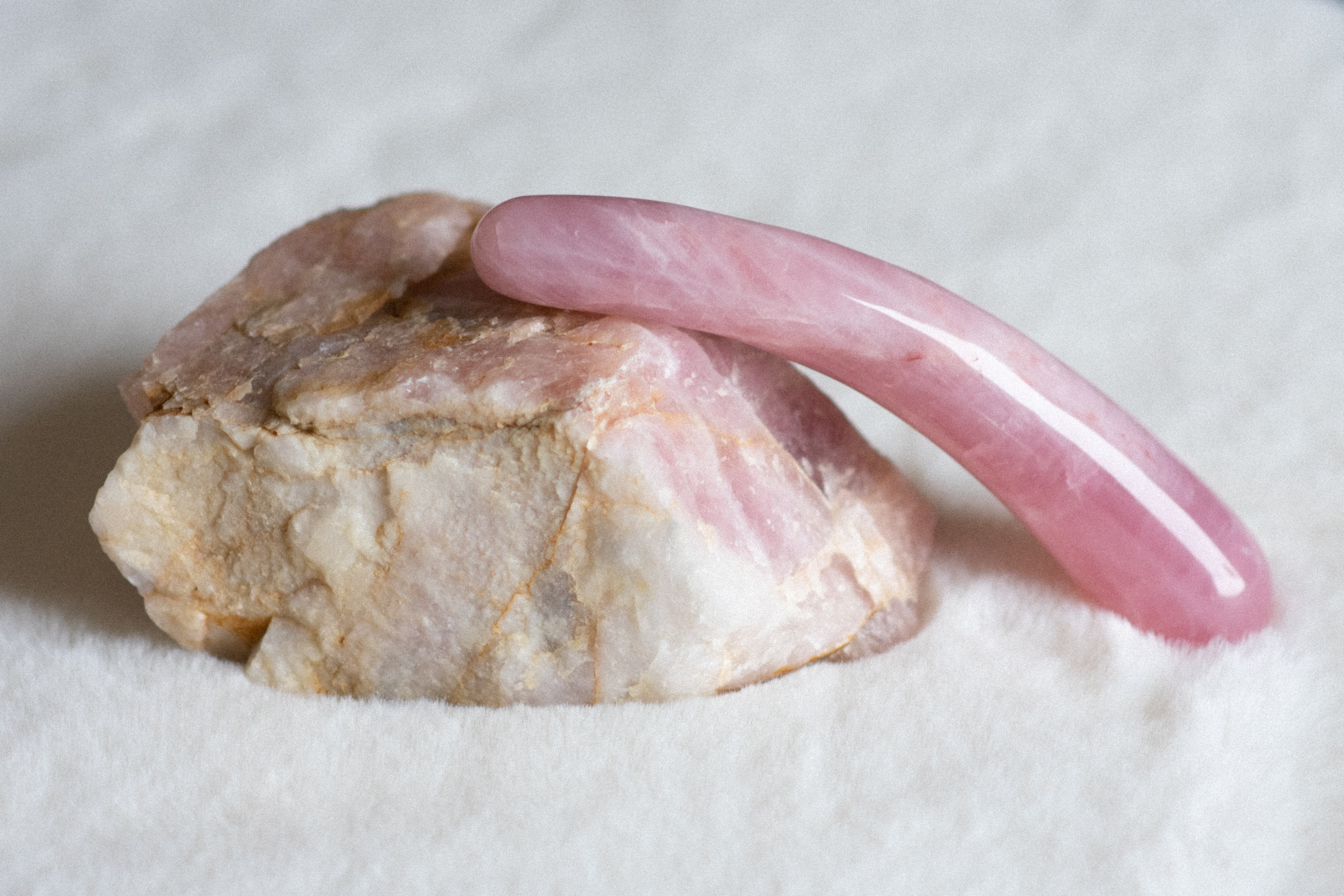 The Curved Wandis built for active pelvic massage, meaning you can move between internal and external structures in one session without changing tools. Externally, its curve allows you to press into the perineum, ischiocavernosus, or bulbospongiosus muscles, often the first points of contact that signal safety to the pelvic floor before deeper work begins.
Internally, that same curve grants direct access to the G-spot, P-spot, cervix, and deep trigger points in the sidewalls. This makes it invaluable for practices like yoni de-armouring, anal de-armouring, prostate massage, and fascial release. The leverage provided by the curve also means you can sustain steady, precise pressure without wrist fatigue, which is essential when working into tender or high-tension areas that take time to unwind.
Getting ready to use a pelvic floor wand
Clean Your Pelvic Floor Wand
Before every session, clean your wand thoroughly, even if it’s been stored in a pouch or case. For crystal wands, avoid harsh chemicals or boiling water, which can cause cracks or micro-fractures. Instead, wash with warm water and a mild, fragrance-free, pH-balanced soap. Rinse well, then dry with a clean, lint-free cloth. If you want a deeper sanitize, wipe with 70% isopropyl alcohol and allow it to fully air dry before use. For glass, the same gentle approach applies, though you can also immerse it briefly in warm (never boiling) water. Always check for chips or cracks before inserting; if damaged, retire the wand from internal use.
Recline and Relax
Your body position will influence how easily and comfortably you can reach the areas you want to work on. Lie on your back with your knees bent and feet flat (hook-lying position) to keep your pelvic floor open without straining your hips. You can also try side-lying with a pillow between your knees for a softer, more relaxed access point. If you prefer a semi-reclined position, prop your upper body with cushions so your hips are slightly lower than your chest.
Add Lubricant
Even if you feel naturally lubricated, adding lube reduces friction and allows the wand to glide without dragging delicate tissue. Choose a natural, water-based or aloe-based lubricant free from glycerin, parabens, or synthetic fragrances to protect your vaginal microbiome. Comfort feels like a smooth, effortless slide without any pulling or resistance. If you’re working with sensitive scar tissue or dryness, reapply as often as needed to keep the experience comfortable and non-irritating.
Emotional Check-In Before You Begin
Your pelvic floor responds as much to your emotional state as it does to your touch. Before inserting the wand, pause and notice what’s present. Are you feeling tense, guarded, impatient, curious, open? Take three slow breaths into your belly, letting your exhale lengthen just a little more than your inhale. This down-regulates the nervous system and tells your pelvic floor that it’s safe to release. The Viva La Vagina 2.0 online program for women includes an entire module on using crystal wands with guided practices. If any strong emotions arise, you can stop, place your hand on your lower belly, and simply breathe until you feel grounded again.
How To Use a Pelvic Floor Wand
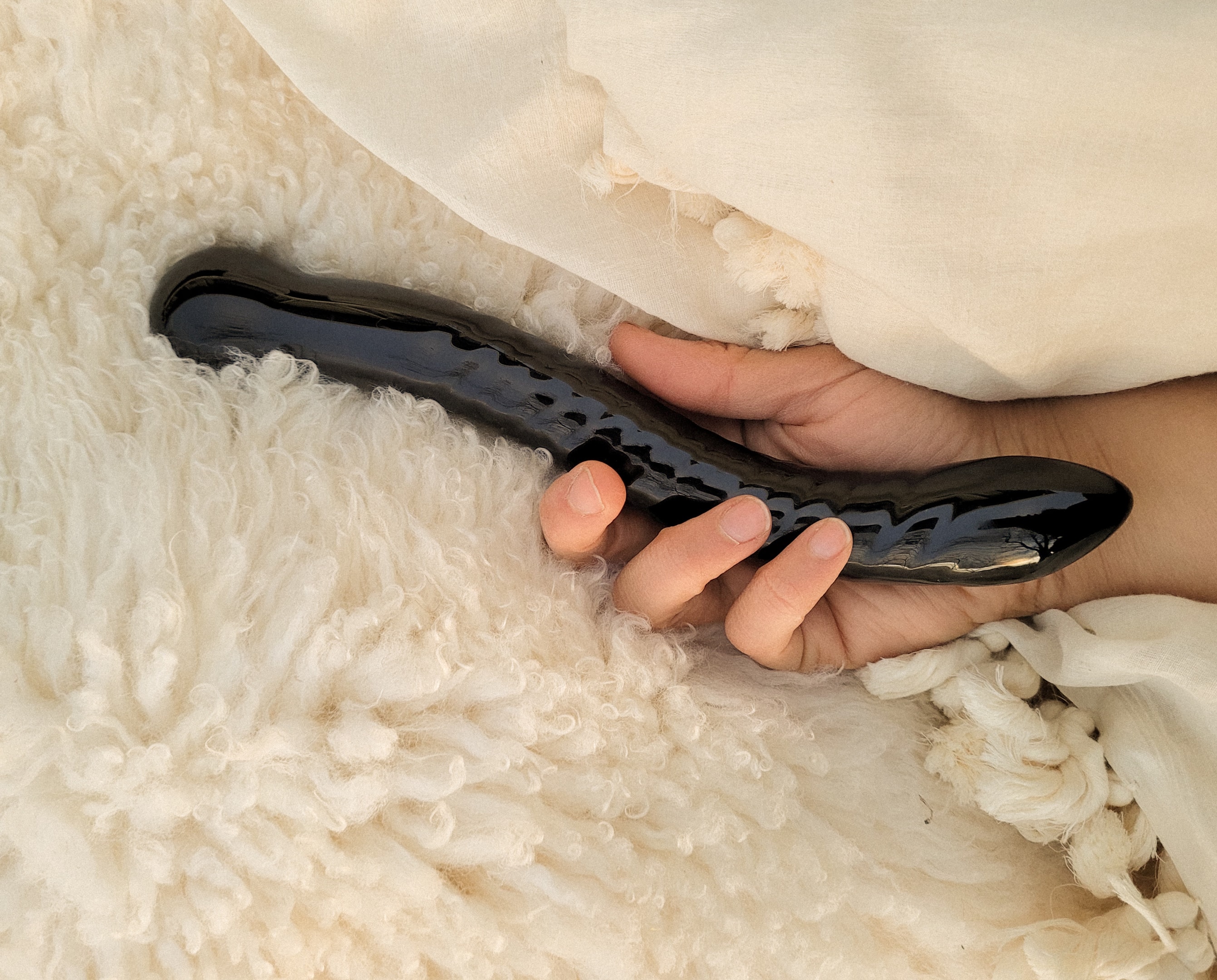
Prepare Your Space and Your Wand
Begin by choosing a quiet, warm space where you will not be disturbed. Healing the pelvic floor is deeply influenced by your sense of safety, so allow enough time for the practice without feeling rushed.
Place a folded towel under your hips if needed and keep your lubricant within easy reach. Before starting, thoroughly clean your wand. Then poistion yourself for access and comfort.
Invite Your Pelvic Floor to Relax
Before you insert the wand, rest it at the entrance and simply breathe. Inhale slowly, letting your pelvic floor expand down and outward, like the base of your body is blooming. On the exhale, allow the muscles to gently recoil without squeezing. Repeat this for several breaths until you feel your body responding with more softness and receptivity.
Begin Insertion Slowly
Generously apply lubricant to both the wand and your entrance. Let your breath set the pace, inhale to create a sense of openness, exhale to guide the wand inward. If you meet resistance or your muscles clench, pause and breathe into the area rather than pushing past it.
Map the Landscape of Your Pelvic Floor
Once the wand is inside, orient yourself using a clock-face image: the pubic bone at 12 o’clock, the tailbone at 6, and the sidewalls at 3 and 9. Slowly explore these zones, pressing gently toward each “hour” and noticing how the tissue feels. You may also encounter spots that feel numb or disconnected from sensation, these are often just as important to work with as areas of tightness.
Release Tension with Sustained Pressure
When you find a tender or tight point, maintain steady pressure at a tolerable intensity, enough to create a clear sensation, but never to the point of sharp pain. Stillness and time are what allow the muscle fibers to unwind. Holding for 30 to 90 seconds can trigger a release, which might feel like warmth, a subtle pulsing, or a spreading softness.
Encourage Movement and Circulation
Once a point has softened, you can introduce gentle arcs, circles, or rocking motions with the wand to restore glide between muscle and fascia. If you are working with scar tissue, use slow, deliberate strokes across the direction of the fibers to encourage them to realign.
Balance Your Work and Respect Your Limits
Aim for balance by giving similar attention to both sides of the pelvic floor. If you work into one sidewall, spend time with the mirror point on the other. You can gradually explore deeper toward the cervix or rectal wall if your intention is full pelvic bowl release, but there is no need to address every area in one session. Sometimes it is more beneficial to release one or two key points and let your body integrate the change before the next practice.
Close with Integration
When you are ready to end, withdraw the wand slowly, paying attention to how the tissue feels as it releases the tool. Rest your hand over your lower belly or pubic bone and take several slow breaths. This final moment is where your nervous system registers and anchors the new state of ease you’ve created.
FAQ
To massage your pelvic floor, you can use your hands, a pelvic massager, or a pelvic floor wand. Many people lie on their back with their knees bent to give the pelvic floor muscles space and to keep the pelvis soft. A pelvic floor physical therapist may use internal or external techniques to apply gentle pressure to tight muscles, scar tissue, or tender points, but you can also do this yourself with the right tool. Using a pelvic wand allows you to insert the tool into the vagina and reach trigger points that fingers can’t access. You simply apply gentle pressure and breathe, holding long enough for the muscle tension to melt and blood flow to return.
Trigger points in the pelvic floor feel like small knots or dense bands in the muscles. They can cause pain locally or send symptoms to other areas like the hips, lower back, urethra, or bowel. To release them, insert a pelvic wand and locate the tender points. With your knees bent, gently stretch the tissue by applying gentle pressure in one direction, holding until the spasm starts to release. Avoid moving too quickly or digging in aggressively, as this can make symptoms worse.
A tight pelvic floor can feel closed, painful, or resistant to penetration. Symptoms might include pelvic pain, painful sex, difficulty starting a urine stream, constipation, or a feeling of “clenching” in the pelvis. A weak pelvic floor often presents as leakage when coughing or sneezing, difficulty controlling bowel movements, or a lack of sensation during intimacy. It’s possible to have both, including tight muscles that are also weak, especially after childbirth, pelvic surgery, or long-term pelvic floor dysfunction.
Manual release can be done externally, by pressing on points between the sit bones or tailbone, or internally with a finger or pelvic floor wand. Patients often find a pelvic wand helpful because it allows them to adjust the pressure, control the pace, and work one tender point at a time without straining their wrists or shoulders. To begin, lie on your back with your knees bent, apply a water based lubricant, and insert the wand toward the sidewall or back wall of the vagina. Apply gentle pressure to the muscle, hold for 60–90 seconds, then move to the other side.
A pelvic wand is a smooth, curved tool, often made from medical grade silicone, glass, or crystal, designed for internal massage of the pelvic floor muscles. You can insert the wand into the vagina or anus to locate and apply gentle pressure to areas of tension, scar tissue, or muscle spasm. The benefit of using a pelvic wand over fingers is control. You can adjust the pressure, explore angles your hands can’t reach, and focus on one point release at a time. Many pelvic wands come with discreet packaging, are easy to clean with warm water and a paper towel, and are designed for both pelvic physical therapy and home use.
