

Table of Contents ▾
An article that showed up on a Reddit feed about men and pelvic floor therapy caught our attention.
“The Stress of Wall Street Is Sending Men to Pelvic Floor Therapy.”
Landon, a 26-year-old investment banker, started having intense groin pain during high-stress workdays. Doctor after doctor dismissed him. His prostate looked normal. His bloodwork was clean. He was “young and healthy.”
The diagnosis was that his pelvic floor, the group of muscles at the base of the pelvis, was in chronic spasm. The same deep internal muscles that control orgasm, bladder release, rectal pressure, and erectile function were locked in a permanent state of tension.
He eventually ended up at Pelvis NYC, where he paid $320 per session (out of pocket) to have a trained pelvic therapist insert a gloved finger into his rectum and massage his spasmed pelvic floor muscles from the inside.
And he’s not alone.
Many men experience pelvic floor dysfunction, just like women, but they don’t talk about it.
What Is Pelvic Floor Physical Therapy for Men?
Pelvic floor physical therapy for men is a specialized form of rehabilitation designed to restore strength, and proper function to the muscles of the pelvic bowl. Traditionally, this therapy is performed by a physical therapist using both internal and external techniques to release tension and retrain the muscles, but it can also be done as a self-practice with the right education and tools.
The work combines manual therapy, targeted exercises, breath, and posture training to normalize muscle tone and improve blood flow. This is an evidence-based approach supported by the National Institutes of Health and World Journal of Urology as an effective treatment for pelvic floor dysfunction.
What most men paying $320 an hour for this therapy don’t realize is that much of what’s being done in the clinic can be replicated at home, safely and effectively, with a one-time investment in a high-quality internal wand.
The same issues they’re outsourcing to a therapist can often be addressed, over time, through simple self-care and a basic understanding of the body. With the right tools and consistency, men can take pelvic health into their own hands.
*You might also be interested in this: The Power of the P-Spot: Perineal Massage for Him
Anatomy: What Are the Pelvic Floor Muscles?
The pelvic floor muscles form a bowl-like group of muscles that span the base of the pelvis, attaching from the pubic bone in the front to the tailbone at the back. Though small and often overlooked, this network of muscles, fascia, and nerves plays an essential role in every aspect of core and sexual health for men and women.
In men, the pelvic floor supports the bladder, rectum, bowel, and prostate, while also contributing to erectile strength and ejaculatory control. These muscles contract and relax in coordination with the diaphragm and deep abdominal muscles, helping regulate pressure within the core and stabilize the spine and pelvis.
Signs of Pelvic Floor Problems in Men

-
Constant urge to urinate
-
Weak, painful, or interrupted flow
-
Erectile dysfunction with no organic cause
-
Penile pain or retraction
-
Perineal soreness and genital numbness
-
“Hard flaccid” syndrome, a semi-rigid, painful state even when unaroused
-
Discomfort during or after ejaculation
-
Anus and pelvic sling clenching uncontrollably during stress
What Causes Pelvic Floor Dysfunction in Men?
-
Weakened pelvic floor muscles from aging, inactivity, or obesity
-
Chronic muscle tension and tightness from stress or trauma
-
Surgical procedures such as prostatectomy or abdominal surgery
-
Connective tissue damage or pelvic injuries
-
Persistent coughing or straining
-
Heavy lifting and poor posture
-
Long hours of sitting
-
High intake of red meat, alcohol, or inflammatory foods
-
Nervous system dysregulation and chronic pelvic pain syndromes
Pelvic Floor Physical Therapy: What to Expect
Your first session typically begins with an in-depth assessment. A trained pelvic floor physical therapist will take a detailed medical history and discuss your symptoms, daily habits, and goals. From there, they’ll perform a physical evaluation, this may include an internal exam through the rectum to assess muscle tone and trigger points, as well as an external exam of the abdomen, hips, and lower back to identify contributing tension patterns.
Based on your assessment, a personalized treatment plan is created. This may include pelvic floor muscle training that involves exercise, kegels, and inner and outter massage to strengthen weak muscles, relaxation therapy, and biofeedback or gentle electrical stimulation to retrain the correct muscle patterns. Core and aerobic exercises are often added to improve posture, and coordination throughout the pelvis.
Sessions are typically scheduled weekly or biweekly, with an at-home exercise plan to support continued progress.
Kegel Exercises for Men
To begin, identify the right muscles by pausing your urine midstream once or twice. Once you know where they are, practice contracting those muscles without tensing your abs, glutes, or thighs. Hold the contraction for 3–5 seconds, then fully relax for 5–10 seconds. Aim for 10–15 repetitions, completing 2–3 sets per day. As control improves, gradually increase the hold time without straining or forcing.
Regular Kegel practice helps improve bladder control and enhance erectile function. It can also support recovery and prevent pelvic organ prolapse after surgery.
Crystal Wand Work for Men
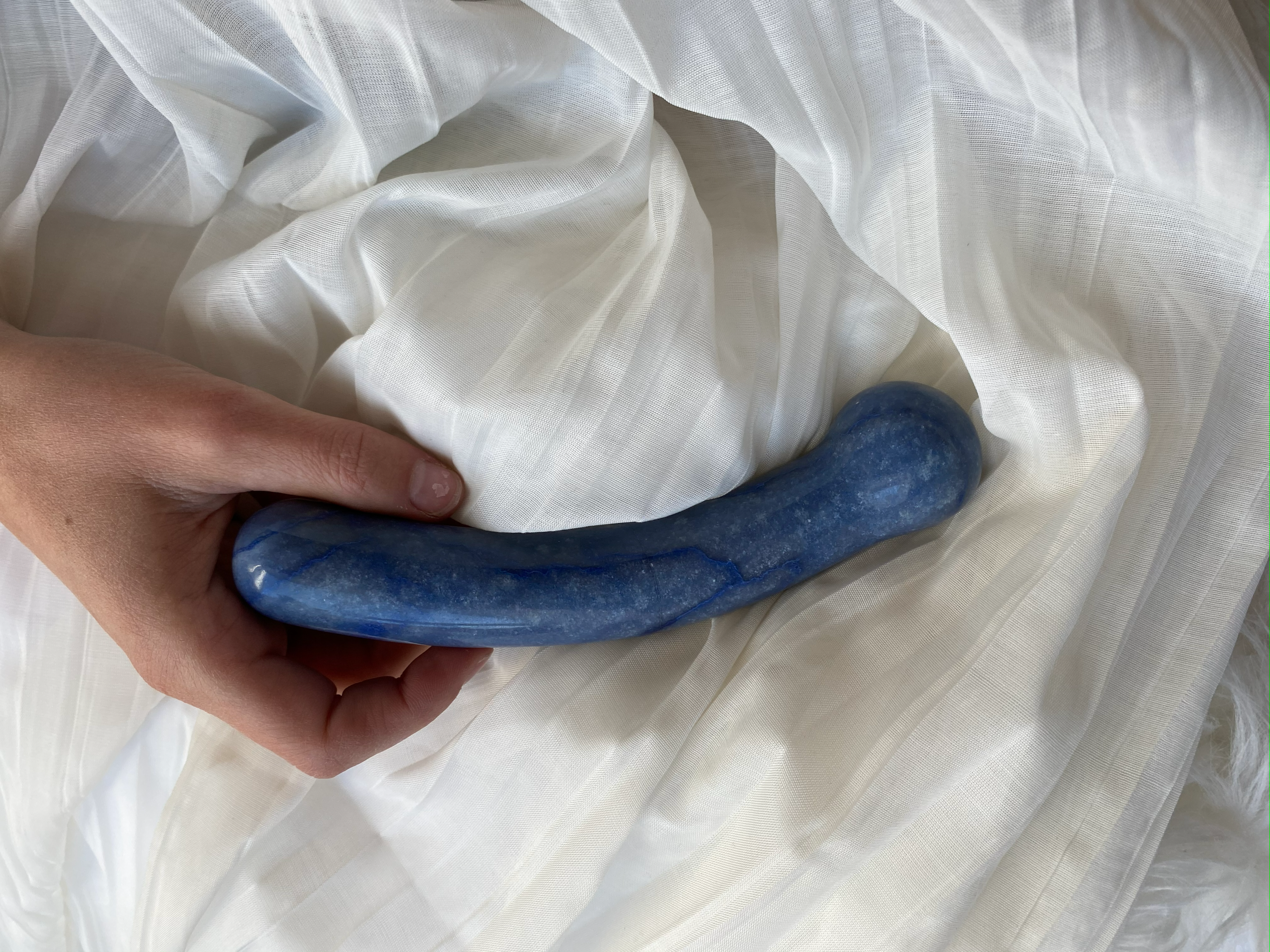
Crystal wand work for men is a somatic practice that helps bring awareness and relaxation to the pelvic region. The method is based on gentle, slow pressure applied with a smooth, body-safe wand to areas that commonly hold tension, such as the perineum, inner thighs, pubic bone, and lower abdomen.
The best wand for men is the Venus Wand®. To begin, the wand is warmed in the hands or under water and used with a natural lubricant to avoid friction. Many men find it easiest to lie back or recline with knees bent so the pelvis feels supported. The wand is then traced slowly along the surface of the perineum and surrounding tissues, pausing wherever tenderness or tightness is felt.
Some men who already feel comfortable with internal exploration may also use the wand gently through the rectum to access deeper layers of the pelvic floor near the prostate. The internal touch allows direct feedback from the muscles that are often most involved in chronic pelvic tension or sensitivity.
The practice can complement professional pelvic floor therapy or at-home exercises such as Kegels by balancing strength work with relaxation. A high-quality wand is a one-time investment that allows regular self-care at home. Instead of depending solely on scheduled appointments, men can use this practice to keep pelvic relaxation and awareness part of daily life. Making pelvic self-therapy routine helps maintain results from physical therapy and keeps tension from rebuilding.
Benefits of Pelvic Floor Therapy for Men
Urinary Health
Many men first notice the benefits here. When the pelvic floor muscles are weak or overly tense, they fail to coordinate with the bladder, leading to dribbling, urgency, or that frustrating sense of “never fully emptying.” Pelvic floor therapy retrains these muscles to contract and release at the right times. Over a few weeks, control returns, the urge frequency settles, the midstream stops become easier, and leaking after urination often disappears entirely.
Bowel Health
A sluggish or tight pelvic floor can make bowel movements difficult or painful. Therapy restores flexibility in the muscles around the anus and rectum, improving how they lengthen and contract during elimination. Gentle internal and external techniques release the gripping that causes constipation or straining. Many men report their digestion feels smoother and lighter, as if their body is finally cooperating again.
Sexual Function
The pelvic floor is the engine behind erection and ejaculation. When these muscles are weak, erections can lose strength or fade early; when they’re tight, sensation dulls or pain develops after sex. Pelvic floor therapy brings tone and blood flow back into the area, improving erection quality and duration. It also enhances the ability to control ejaculation and deepens the quality of orgasm.
Pain Relief
Pelvic pain in men is often dismissed as prostatitis, when in fact, it’s the result of years of muscular tension and nerve compression. Therapy addresses this directly by identifying trigger points inside and around the pelvic floor and teaching the muscles how to relax. As blood flow returns, inflammation eases, and the aching, burning, or pulling sensations that once felt constant begin to fade. F
Post-Surgery Recovery
After prostate or abdominal surgery, the pelvic floor often becomes weakened or desensitized. Pelvic floor therapy is essential for restoring function. It helps men regain control over urinary leakage and rebuild sexual response by gradually awakening the nerves and reestablishing communication between the pelvic muscles and the brain.
Nervous System Regulation
A tight pelvic floor is rarely just physical. Chronic stress and hypervigilance keep these muscles contracted, cutting off circulation and sensation. Pelvic floor therapy includes breathwork and neuromuscular retraining that calms the nervous system. The body begins to feel safe again. Erections return more naturally and a deeper sense of relaxation settles into the core.
Conclusion
Most men have never been taught that the muscles at the base of their pelvis need care and attention just like any other part of the body. Pelvic floor therapy for men is no longer a niche topic, it’s essential education for anyone who wants lasting pelvic health and stronger erectile function.
What’s often overlooked is that there are tools designed specifically for internal pelvic release, for both men and women. While the idea might seem new in mainstream men’s health, these practices have existed for centuries. Women have been using wands and intentional internal work to release tension for years, and now men are beginning to discover that the same level of awareness and care belongs to them too.
FAQ
What do they do for pelvic floor therapy for men?
In pelvic floor therapy for men, a trained physical therapist evaluates how the pelvic floor muscles are working, whether they’re too weak, too tight, or out of sync with the rest of the body. During the first session, there’s usually a detailed discussion of your symptoms, lifestyle, and medical history, followed by an internal exam through the rectum and an external assessment of the pelvic region, abdominal wall, hips, and lower extremities. The goal is to find the real cause of pelvic pain, urinary incontinence, or erectile dysfunction, not just mask the symptoms.
What are signs of a weak pelvic floor in men?
The most common signs of weakened pelvic floor muscles are practical, everyday issues that most men assume are just part of aging. They include leaking urine when you cough, sneeze, or lift something heavy, trouble holding gas or completing a bowel movement, and needing to urinate more often due to an overactive bladder. Many men also notice changes in sexual function, weaker erections, early ejaculation, or a dull ache in the base of the pelvis that lingers after sex.
Other red flags are subtle: a constant need to adjust posture, tightness in the pubic bone or tailbone area, or unexplained male pelvic pain that comes and goes. These are all signs that the pelvic muscles have lost tone or coordination, which can develop after prostate surgery, long hours of sitting, persistent coughing, or lack of physical activity. A pelvic floor exercise program that includes Kegel exercises and guided pelvic floor rehabilitation can rebuild muscle strength, restore bowel control, and reduce pain symptoms.
Do they finger you during pelvic floor therapy?
Because the male pelvic floor lies inside the pelvis, the most accurate way to assess its function is with an internal exam. In practice, this means the healthcare professional may insert a gloved, lubricated finger into the rectum to feel how the pelvic floor muscles contract, relax, and coordinate with breathing. It’s a clinical technique that allows precise feedback about muscle tone, connective tissue health, and trigger points that may cause chronic pelvic pain or genital pain.
What happens at a male pelvic floor massage?
A male pelvic floor massage, also called manual pelvic therapy, targets the deep layers of the pelvic muscles that support the bladder, bowel, and sexual organs. The therapist uses gentle but precise pressure externally around the perineum, pubic bone, and hips, and sometimes internally, to release areas of muscle tension or spasm that restrict circulation and nerve flow. This work helps reduce chronic pelvic pain syndrome, ease urinary symptoms, and improve erectile function by restoring elasticity and muscle tone in the tissues.
A session may also include stretching of the abdominal wall and lower extremities, breathing exercises to calm the nervous system, and instruction in pelvic floor muscle exercises you can continue at home. Many patients describe an immediate sense of relief and warmth through the pelvis, followed by steady improvement in sexual performance, posture, and overall pelvic health with continued sessions.
